
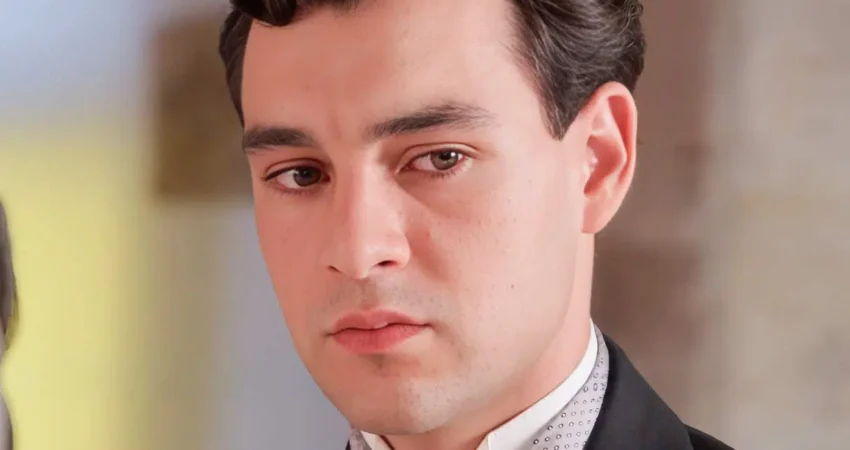
The highly anticipated wedding of Curro and Ángela, a central event in the narrative of "La Promesa," has reached its most dramatic juncture, only to be plunged into an atmosphere of profound uncertainty. In a twist that has left viewers on the edge of their seats, Curro, the groom, inexplicably disappears, only to resurface moments before the ceremony is to conclude. The climax of the episode unfolds not with joyous affirmations, but with a deafening silence from Curro when he is called upon to pledge his lifelong commitment to Ángela. This abrupt halt in the proceedings stems from a deep-seated betrayal that has recently come to light, casting a dark shadow over what should have been a day of union and celebration.
A Disappearance and a Tense Return
The events leading up to the wedding ceremony were already fraught with anxiety. Curro’s sudden disappearance had sent ripples of panic throughout the household. Leocadia, a confidante to Ángela, was tasked with delivering the unsettling news of the groom’s absence, leaving Ángela in a state of bewildered distress. Meanwhile, figures like Máximo and Alonso maintained a hopeful stance, convinced of Curro’s eventual reappearance. In stark contrast, Lorenzo and Ciro expressed a pragmatic, albeit somber, view, deeming it impractical to proceed with the ceremony if the groom’s whereabouts remained unknown. This internal division among the characters underscored the escalating tension and the unpredictable nature of the unfolding drama.
Curro’s arrival at the church was nothing short of dramatic, a last-minute appearance that defied the mounting fears of his absence. However, his return was not a simple resolution to the immediate crisis. Before stepping into the sacred space to exchange vows, Curro found himself compelled to address a deeply personal revelation. He had discovered that Pía, a figure he trusted, had concealed crucial information regarding the death of Jana. This betrayal, revealed through a letter, had profoundly impacted Curro, leaving him with raw emotional wounds. The weight of this deception, coupled with the unresolved grief over Jana’s fate, proved to be an insurmountable burden at the very moment he was expected to commit to a new life with Ángela.
The Unspoken Betrayal and its Impact
The contents of the letter, detailing Pía’s deception about Jana’s death, had left an indelible mark on Curro. The pain was still too fresh, the sense of betrayal too acute, for him to simply move forward. As the officiant posed the pivotal question, the words from the letter echoed in his mind, paralyzing him. His gaze fixed on Leocadia, a silent testament to his inner turmoil, he remained motionless, unable to utter the "I do" that would bind him to Ángela. This moment of silence, more potent than any spoken word, highlighted the profound impact of past traumas and betrayals on present decisions, particularly within the intricate web of relationships at "La Promesa."
Multiple Crises Converge on the Wedding Day
The matrimonial crisis was not the sole source of turmoil within "La Promesa" on this fateful day. Samuel, who was slated to officiate the ceremony, found himself grappling with his own internal struggles. The recent events involving María had left him deeply shaken, questioning his own suitability to preside over such a sacred union. His hesitation and self-doubt cast an additional layer of uncertainty over the proceedings, suggesting a pervasive sense of unease that permeated the estate.

Beyond the personal dramas, a logistical disaster was unfolding in the kitchens. A critical failure in the refrigeration system had led to the spoilage of all the prepared food intended for the wedding banquet. This culinary catastrophe plunged the domestic staff into a state of panic. Simona, one of the key figures in the kitchen, directed her accusations towards Candela, creating further discord. However, Cristóbal intervened, taking charge of the situation with a singular focus: ensuring the banquet proceeded as planned, regardless of the cost. This command underscored the importance placed on maintaining appearances and upholding the social standing of the estate, even amidst widespread internal chaos.
The Sabotage Plot Thickens
Meanwhile, Julio, whose machinations had been instrumental in orchestrating these various disruptions, observed the escalating chaos with a mixture of frustration and grim satisfaction. Despite his efforts to sabotage the events, he noted that his plans were beginning to unravel, a testament to the resilience or perhaps the sheer force of circumstance within "La Promesa." This subplot adds another dimension to the narrative, suggesting that the wedding day was not merely a stage for personal drama but also a battleground for clandestine schemes and counter-schemes. The failure of his sabotage efforts, even as the wedding faces imminent collapse, hints at a larger, more complex game being played out behind the scenes.
Historical Context and Societal Implications
The narrative of "La Promesa" is set in the post-civil war era in Spain, a period characterized by significant social upheaval, economic hardship, and a rigid social hierarchy. Weddings, especially those involving families of considerable social standing, were not merely personal unions but often served as strategic alliances, reinforcing economic power and social influence. The elaborate preparations for Curro and Ángela’s wedding, despite the underlying tensions and the logistical nightmare, reflect the societal pressure to maintain a façade of prosperity and order. The potential collapse of such a significant event would not only be a personal tragedy for the individuals involved but could also have wider implications for the reputation and standing of the families associated with "La Promesa." The emphasis on the banquet, even when the core of the ceremony is in jeopardy, speaks volumes about the prevailing societal values where outward appearances and the fulfillment of social obligations often trumped genuine emotional expression or individual well-being.
Thematic Resonance and Foreshadowing
The recurring themes of hidden truths, betrayal, and the struggle for emotional authenticity are central to "La Promesa." Curro’s inability to proceed with the wedding due to a discovered betrayal highlights the profound impact of honesty and deception on relationships. His silence is a powerful statement about the internal conflict he is experiencing, a conflict that transcends the immediate joy of marriage and delves into the unresolved pain of his past. Similarly, Samuel’s crisis of conscience as an officiant underscores the broader theme of moral and ethical dilemmas faced by the characters. The sabotage plot, orchestrated by Julio, introduces an element of external manipulation, suggesting that the characters’ lives are not solely shaped by their own choices but also by the machinations of others. The convergence of these multiple crises on a single day serves as a dramatic device to intensify the narrative and foreshadow future conflicts and resolutions. The spoiled banquet, the hesitant officiant, and the silent groom all point towards a period of significant upheaval and transformation for the inhabitants of "La Promesa."
Broader Impact and Future Ramifications
The events of chapter 918 of "La Promesa" are poised to have significant ramifications for the ongoing storyline. Curro’s silent refusal to marry Ángela, stemming from the revelation of Pía’s deception, will undoubtedly lead to a profound rift in their relationship and a reevaluation of trust within the household. The fallout from this public declaration of internal conflict will likely impact not only Curro and Ángela but also Pía and potentially Jana’s memory and legacy.
Furthermore, Samuel’s crisis of faith in his role as officiant may lead him to re-examine his own moral compass and his place within the community. The failure of Julio’s sabotage attempts, despite the chaos he has sown, suggests a narrative arc where his plans may be thwarted, leading to his potential downfall or a shift in his strategies. The spoiled banquet, while a logistical hurdle, also symbolizes the fragility of the established order within "La Promesa" and the constant challenges faced by its inhabitants in maintaining their social standing and domestic harmony. The coming episodes are expected to delve deeper into the emotional repercussions of these events, exploring the characters’ responses to betrayal, doubt, and the ongoing struggle for truth and reconciliation within the complex world of "La Promesa." The unresolved tension and the dramatic cliffhanger at the altar promise a compelling continuation of the series, leaving audiences eager to witness the aftermath of this momentous wedding day.

0 Comments