
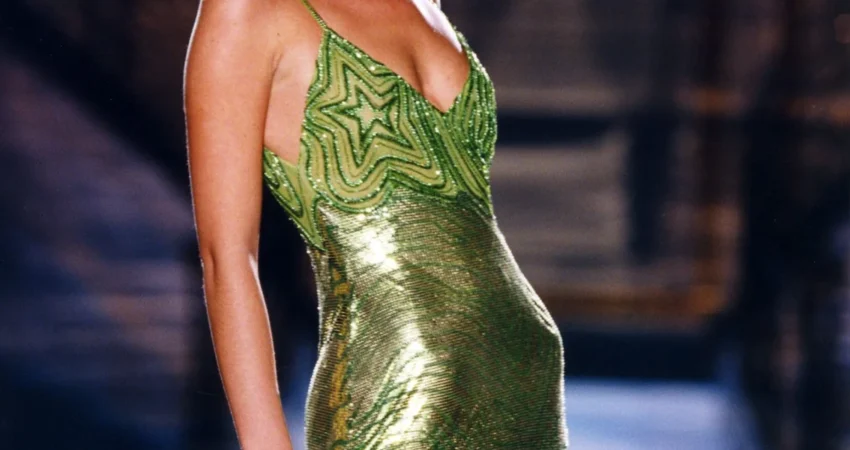
The fashion landscape of the mid-2020s is witnessing a profound reconnection with the final decade of the 20th century, a period defined by the convergence of disparate aesthetics ranging from gritty grunge to sleek minimalism. As the Autumn-Winter 2026 collections debut on international runways, it has become evident that footwear is the primary vehicle for this nostalgia. Industry analysts and creative directors alike are observing a shift where the shoe no longer merely complements the outfit but dictates its entire narrative—transforming silhouettes from formal to transgressive with a single step. This revival is not a mere replication of the past but a sophisticated re-engineering of iconic silhouettes for a modern audience that prizes both heritage and technical innovation.

The Architectural Foundation of the 90s Aesthetic
The 1990s represented a unique era where fashion moved away from the excessive opulence of the 1980s toward a more grounded, often androgynous sensibility. This shift was most apparent in footwear, which embraced utility, comfort, and sharp, definitive lines. In the current Autumn-Winter 2026 season, designers are looking toward this era to solve the contemporary demand for "versatile luxury"—items that function as effectively on a city street as they do in a high-fashion editorial.
The resurgence is characterized by several key elements: the return of masculine tailoring in feminine wardrobes, the reimagining of the "ugly-chic" flat, and a renewed interest in bold, saturated colors. According to retail data from the first quarter of 2026, consumer interest in "vintage-inspired luxury footwear" has risen by 22% year-over-year, signaling a robust market appetite for the trends currently dominating the runways of Paris, Milan, and Tokyo.

The Oxford Revival: Androgyny and the British Influence
One of the most significant returns this season is the Oxford shoe. Historically rooted in men’s formal wear, the Oxford became a symbol of 90s rebellion when designers like Anna Sui integrated it into feminine, high-contrast ensembles. Sui’s Autumn-Winter 1995 collection remains a touchstone for this trend; inspired by the punk and mod sensibilities of bands like The Who and The Clash, she paired plaid mini-skirts and leather jackets with heavy Oxfords and red hosiery.
In 2026, the Japanese house Support Surface has modernized this concept. Under the creative direction of designers focusing on "structural simplicity," the brand presented the Oxford in a vibrant crimson leather. By pairing these with oversized, pleated brown trousers and high-collared knitwear, Support Surface demonstrates how a masculine-coded shoe can elevate a minimalist look into something avant-garde. This reflects a broader industry trend where gender-fluid styling continues to dominate the commercial luxury sector.

The Evolution of the Strappy Heel: Beyond the Mary Jane
The 1990s were also the era of "sensual minimalism," a trend pioneered by designers like Isaac Mizrahi. His Autumn-Winter 1994 collection featured black heels with multiple straps across the instep—a design that acted as a more aggressive, sophisticated evolution of the classic Mary Jane. These shoes were often paired with monochromatic textures, such as feather-trimmed skirts and semi-transparent hosiery, creating a look that was simultaneously demure and daring.
For the Autumn-Winter 2026 season, Adrià Egea has taken this mantle, presenting a starker, more graphic interpretation. Egea’s version features white leather bases with contrasting black straps, paired with lingerie-inspired blouses and flared skirts. This "new-wave" approach to the strappy heel emphasizes the shoe as a piece of architectural jewelry for the foot. Market analysts suggest that the success of these designs lies in their ability to offer a "visual break" in an outfit, drawing the eye downward to a point of high detail.

The Dominance of the Flat Shoe: Comfort as a Luxury Mandate
Perhaps no brand defined 90s footwear as decisively as Miu Miu. In 1997, Miuccia Prada utilized minimalist flats in vibrant, almost neon tones to anchor her collections. This was a radical departure from the high-octane glamour of the previous decade and established the "ballerina flat" and the "flat loafer" as essential components of the modern woman’s wardrobe.
In the 2026 collections, the brand Escorpion has revitalized this focus on the flat sole. As the "athleisure" trend of the early 2020s matures into a more refined "commuter chic," the flat shoe has become a staple of the Autumn-Winter wardrobe. Escorpion’s presentation featured cream-colored flats paired with technical leggings and cut-out knitwear, proving that flat footwear can maintain a high-fashion edge. This trend is supported by a growing consumer preference for ergonomic design, with luxury footwear brands reporting that nearly 40% of their seasonal sales now come from non-heeled styles.

Pointed Toes and the Return of Sophisticated Sensuality
If the Oxford represents the 90s’ androgynous side, the pointed-toe shoe represents its unapologetic glamour. Vivienne Westwood’s 1996 collections frequently utilized sharp, pointed silhouettes in metallic finishes to create a sense of theatrical sophistication. These shoes were not merely accessories; they were weapons of style, often paired with pencil skirts and patchwork blazers to create a silhouette that was both historicist and futuristic.
In the current cycle, the Chinese label Yirantian has embraced the pointed-toe aesthetic to express a new form of "executive sensuality." By combining sharp-toed heels with sheer skirts and satin-sleeved blouses, the brand taps into the 90s "office siren" trope that has seen a massive resurgence on social media platforms and in luxury retail. The pointed toe serves as a counter-narrative to the square-toe trends of 2022-2024, offering a more elongated, aggressive profile that aligns with the power-dressing movements of 2026.

The Lace-Up Ankle Boot: From Galliano to Marant
The late 90s saw a fascination with Victoriana filtered through a grunge lens. John Galliano’s 1999 collections were instrumental in this, particularly his use of lace-up red ankle boots. These were often styled with plush furs and saturated silks, creating a look that felt both antique and entirely contemporary for the turn of the millennium.
Isabel Marant, a designer synonymous with the "effortless Parisian" aesthetic, has revisited this silhouette for Autumn-Winter 2026. Her version of the lace-up boot appears in deep russet tones, styled with washed denim and oversized shearling coats. This highlights the shoe’s versatility; while Galliano used it for high-fashion drama, Marant adapts it for the "urban luxury" market. The durability and adjustable nature of lace-up boots make them a practical choice for the autumn climate, contributing to their high sell-through rates in the contemporary market.

Bicolor Dynamics: The Chanel Legacy and Modern Minimalism
The two-tone or bicolor shoe is perhaps the most enduring legacy of classic footwear, but it was Helmut Lang in 1995 who stripped the concept down to its barest essentials. Lang’s use of bicolor pumps with asymmetrical dresses and monochromatic palettes redefined the shoe as a tool of minimalist expression.
Today, this legacy is being carried forward by houses like Chanel, which has consistently reinvented its signature beige-and-black palette. However, the 2026 interpretation, influenced by creative shifts in the industry, has taken on a more vintage-modern hybrid feel. Designers are utilizing triangular points and lower "kitten" heels to evoke a 1920s-meets-1990s aesthetic. This trend is particularly popular among younger luxury consumers who value the "investment piece" status of a bicolor shoe while demanding a silhouette that feels fresh and unconventional.

The T-Bar: A Study in Youthful Nostalgia
Finally, the T-Bar shoe—a silhouette that has fluctuated in popularity for over a century—found a playful, youthful expression in the late 90s. Fendi’s 1999 collection utilized T-Bars adorned with floral details, paired with patterned trousers and satin duster coats. This was a departure from the "seriousness" of mid-90s minimalism, offering a more eclectic, maximalist alternative.
For Autumn-Winter 2026, Valentino has brought the T-Bar back to the forefront of the luxury conversation. By pairing the silhouette with oversized fur coats and vibrant mini-dresses, the house demonstrates the T-Bar’s ability to act as a "stabilizing" element in a loud, textured outfit. The structural strap provides a sense of security and classicism that allows the rest of the ensemble to experiment with volume and color.

Impact and Implications for the Global Footwear Market
The widespread return of these seven 90s-inspired shoe styles indicates a broader shift in the fashion industry’s approach to the "nostalgia cycle." Rather than a wholesale return to the past, the Autumn-Winter 2026 season represents a "selective curation." Designers are choosing specific elements—the androgyny of the Oxford, the comfort of the flat, the aggression of the pointed toe—and integrating them into a wardrobe that prioritizes high-quality materials and sustainable production.
For retailers, this trend revival offers a clear roadmap for the coming year. The emphasis is on "character footwear"—shoes that possess a distinct personality and historical weight. As the 2026 season progresses, the influence of the 1990s is expected to expand beyond footwear into accessories and outerwear, solidifying the decade’s status as the definitive aesthetic template for the mid-2020s. The enduring appeal of these silhouettes lies in their balance: they are familiar enough to feel classic, yet versatile enough to be reinvented for a future that values both style and substance.

0 Comments