
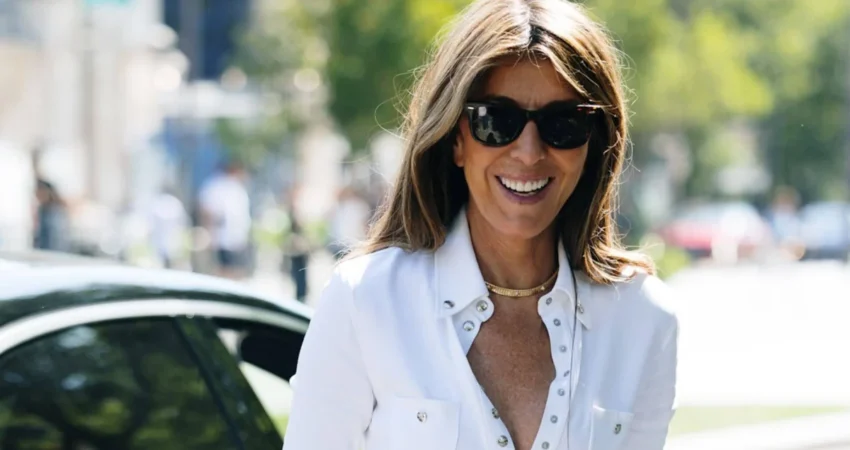
The transition from the warmth of summer to the crisp air of autumn has historically demanded a shift in both fabric and silhouette, yet the most effective styling solution for the 2024-2025 season is one borrowed from the past. Fashion historians and industry experts have noted a significant return to the "maternal trick" of utilizing belts to define the waistline, a technique that provides structure to the fluid, floor-length garments currently dominating the market. As major Spanish retailers like Zara, Simorra, and Alba Conde unveil their September collections, the emphasis has shifted from the loose, oversized "oversize" trends of previous years toward a more tailored, hourglass-centric approach that prioritizes both comfort and visual sophistication.
The Evolution of the Cinched Silhouette
The practice of using a belt to alter the drape of a dress is not a modern innovation but a refined application of mid-century tailoring principles. During the 1940s and 1950s, the "New Look" pioneered by Christian Dior emphasized a narrow waist and a full skirt, a silhouette that has remained the gold standard for feminine tailoring. In the contemporary context, this aesthetic has been adapted for the modern woman who seeks "quiet luxury"—a style characterized by high-quality materials and understated elegance.

Industry analysts suggest that the resurgence of the belted long dress is a reaction to the saturation of unstructured "athleisure" and loungewear. Consumers are increasingly seeking garments that offer a "finished" look without sacrificing the ease of movement required for professional and social life. The integration of the belt directly into the garment’s construction, as seen in recent collections from Tinta y Bariloche and Byan, ensures that the accessory complements the pattern of the fabric rather than fighting against it. This structural synergy allows the wearer to adjust the garment based on daily comfort requirements—a functional benefit that has resonated deeply with the 35-to-55-year-old demographic.
Market Data and Consumer Trends in the Spanish Fashion Sector
According to recent retail reports from the Spanish Association of Fashion Creators (ACME), there has been a 12% increase in the demand for "trans-seasonal" pieces—items that can be worn in both late summer and early winter with minor adjustments. Long dresses, or "maxi dresses," fall squarely into this category. The data indicates that consumers are moving away from disposable fashion in favor of "investment pieces" that can be rejuvenated with different accessories.
The current market shows a particular preference for earth tones: chocolate browns, olive greens, and toasted beiges. These colors not only reflect the changing landscape but also offer a psychological transition into the colder months. Retailers have responded by producing these garments in more substantial fabrics, such as suede-effect synthetics, heavy cotton twills, and wool-blend knits, which provide the necessary warmth for the autumn breeze while maintaining the elegant movement of a long skirt.

Chronology of the Autumn 2024 Style Shift
The shift began in late August as major European fashion houses showcased their pre-fall collections. By the first week of September, the trend had permeated the high-street market.
- Late August: Initial rollout of lightweight long dresses in darker palettes (navy, forest green).
- September 1-10: Introduction of "The Belted Shirt Dress" across major platforms, emphasizing the "utility-meets-elegance" aesthetic.
- Mid-September: Integration of heavier textures like faux-suede and corduroy into the long-dress silhouette.
- Forecast for October: A transition toward layering these dresses with blazers, oversized cardigans, and knee-high leather boots.
This timeline illustrates a strategic move by brands to keep the long dress relevant beyond the summer holiday season. By adding a belt and adjusting the sleeve length, the garment becomes a versatile staple suitable for the office, formal dinners, and weekend outings.
Detailed Analysis of Key Spanish Designs
Several Spanish brands have emerged as leaders in this aesthetic movement, each offering a unique take on the waist-defining long dress.

Tinta y Bariloche: The Classic Plaid Reimagined
The "Calas Camel" dress by Tinta y Bariloche, priced at approximately 110 euros, represents the quintessential autumn shirt dress. Utilizing a classic plaid pattern in toasted tones, the garment employs a belt made of the same fabric. This creates a cohesive look that draws the eye to the waist without breaking the visual line of the pattern. The full-skirt design is intended to soften the silhouette, making it an ideal choice for pairing with brown leather boots and suede handbags.
Byan: The Bohemian Chocolate Silhouette
For those seeking a more artisanal or "boho-chic" approach, the brand Byan has introduced a chocolate-brown printed dress with puffed sleeves for 215 euros. This design features a V-neckline, which serves to visually elongate the neck, and a prominent belt to anchor the volume of the sleeves. Designers at Byan have stated that this piece is intended to evoke a sense of 1970s sophistication, blending romanticism with the practicality of a day-to-night garment.
Alba Conde: Utility in Khaki
Alba Conde’s khaki shirt dress, currently positioned at a reduced price point of 128 euros, focuses on verticality. The full-length button closure creates a slimming effect, while the belt provides the necessary break in the utility-style fabric. The khaki color is particularly strategic for September, as it bridges the gap between the vibrancy of summer greens and the muted tones of winter.

Simorra: The Suede Effect and Sophistication
Simorra’s 178-euro brown suede-effect dress is perhaps the most "fashion-forward" of the selection. It incorporates 1970s-inspired elements such as a wide belt and a front slit. The fabric choice is significant; faux-suede offers a tactile richness that signifies autumn more than any other material. Experts suggest pairing this with gold jewelry and high boots to lean into the "Gloria Steinem-era" aesthetic, which continues to influence modern power dressing.
Zara: Minimalist Accessibility
As the global leader in fast-fashion trends, Zara’s 39.95-euro beige shirt dress demonstrates the mass-market appeal of the belted silhouette. By adding a contrasting blue detail on the turned-up sleeves, Zara introduces a modern twist to a minimalist staple. The affordability and clean lines of this dress make it a primary candidate for "capsule wardrobes," as it can be adapted with different belts (leather, braided, or metallic) to suit various occasions.
Industry Responses and Expert Perspectives
Style consultants and personal shoppers have noted that the "belt trick" is more than just an aesthetic choice; it is a tool for body positivity and confidence. "A belt allows a woman to reclaim the shape of her body from within the fabric," says Maria Gomez, a Madrid-based fashion consultant. "In previous seasons, the trend was to hide under layers of oversized clothing. Now, we are seeing a desire to celebrate the form, but in a way that feels protected and professional."

Furthermore, the "Spanish touch" in these designs—often characterized by a mix of traditional patterns and modern cuts—has gained international traction. The focus on the waist is seen as a return to "proper" dressing, a sentiment echoed by older generations but adopted by Gen Z and Millennials through the lens of "vintage" or "retro" appreciation.
Broader Impact and Future Implications
The success of the belted long dress in the autumn 2024 season is expected to influence design choices for the upcoming spring collections. As sustainability becomes a core pillar of the industry, the versatility of these dresses is a significant selling point. A garment that can be adjusted with a belt to fit a changing body, or styled differently to suit multiple seasons, has a longer lifecycle than a trend-specific piece.
Moreover, this trend highlights the power of "maternal fashion" as a source of innovation. By looking at how previous generations managed their wardrobes with limited resources but high attention to detail, modern designers are finding ways to create clothing that is both functional and beautiful. The waist-defining belt is not merely an accessory; it is a structural necessity that transforms a simple piece of fabric into a tailored statement.

As the temperatures continue to drop across the Iberian Peninsula and the rest of Europe, the long dress will remain a cornerstone of the autumnal wardrobe. Whether paired with light sandals in the afternoon sun or layered under heavy coats and scarves for the evening chill, the cinched waist ensures that the silhouette remains defined, rejuvenated, and timelessly elegant. The 2024 season proves that sometimes, the best way to move forward in fashion is to look back at the enduring wisdom of those who came before.

0 Comments