

The enduring legacy of the Spanish television series "Aquí No Hay Quien Viva" is multifaceted, woven from its sharp social commentary, its relatable characters, and its ability to embed itself in the collective consciousness of a generation. While the series, which concluded its run over two decades ago, continues to resonate with audiences, a recent revelation from one of its lead actresses sheds light on a particular element that became one of its most iconic identifiers: the phrase "¡Qué mona va esta chica siempre!" (How cute this girl always looks!). María Adánez, who portrayed Lucía Álvarez, a central figure in the ensemble cast, disclosed on Cadena SER’s "El Faro" that this now-legendary line was not a product of the writers’ room but an unscripted improvisation by actress Mariví Bilbao.
From On-Set Ad-Lib to Hallmarks of a Sitcom
The popular Spanish sitcom "Aquí No Hay Quien Viva," which aired on Antena 3 from 2003 to 2006, chronicled the tumultuous lives of the residents of Desengaño 21, a Madrid apartment building. The series garnered immense popularity, producing 91 episodes across five seasons and leaving an indelible mark on Spanish popular culture. Its humor, often dark and satirical, explored the complexities of neighborly relationships, social dynamics, and the everyday absurdities of urban living. The show’s success was so profound that its characters, catchphrases, and scenarios have become part of everyday vernacular for many, a testament to its cultural penetration.
María Adánez, who played the role of Lucía Álvarez, often characterized as "the rich girl of the building," continues to be recognized for her portrayal even twenty years after the show’s finale. Her recent appearance on "El Faro" offered a nostalgic glimpse into the show’s production and its lasting impact. During her interview, Adánez shared an anecdote that underscored the series’ international reach. A taxi driver in Mexico recognized her and mentioned watching "Aquí No Hay Quien Viva" with his family, highlighting how the show transcended geographical boundaries. Adánez noted the surreal experience of reminding the driver that the series had ended two decades prior, underscoring its persistent presence in viewers’ minds.
The Birth of an Unscripted Icon
The most significant revelation during Adánez’s interview revolved around the iconic phrase "¡Qué mona va esta chica siempre!". As audio clips of Mariví Bilbao repeating the line, directed at Adánez’s character, were played, the actress smiled and revealed the origin of the now-famous utterance. "Ay, Mariví, that phrase you invented," Adánez exclaimed, attributing the spontaneous remark to Bilbao herself.
The anecdote shared by Adánez paints a vivid picture of the creative environment on set. According to Adánez, the phrase was not part of any script. Instead, it emerged organically during a filming session. Mariví Bilbao, known for her improvisational contributions, uttered the compliment to Adánez as she arrived on set for a scene. The quick-witted remark resonated so strongly with Alberto and Laura Caballero, the creators and main writers of the series, that they decided to incorporate it regularly into the show. This spontaneous moment, born from the chemistry between the actresses and the keen observation of the producers, ultimately transformed into one of the series’ most recognizable and beloved catchphrases, solidifying its status as a cultural touchstone.
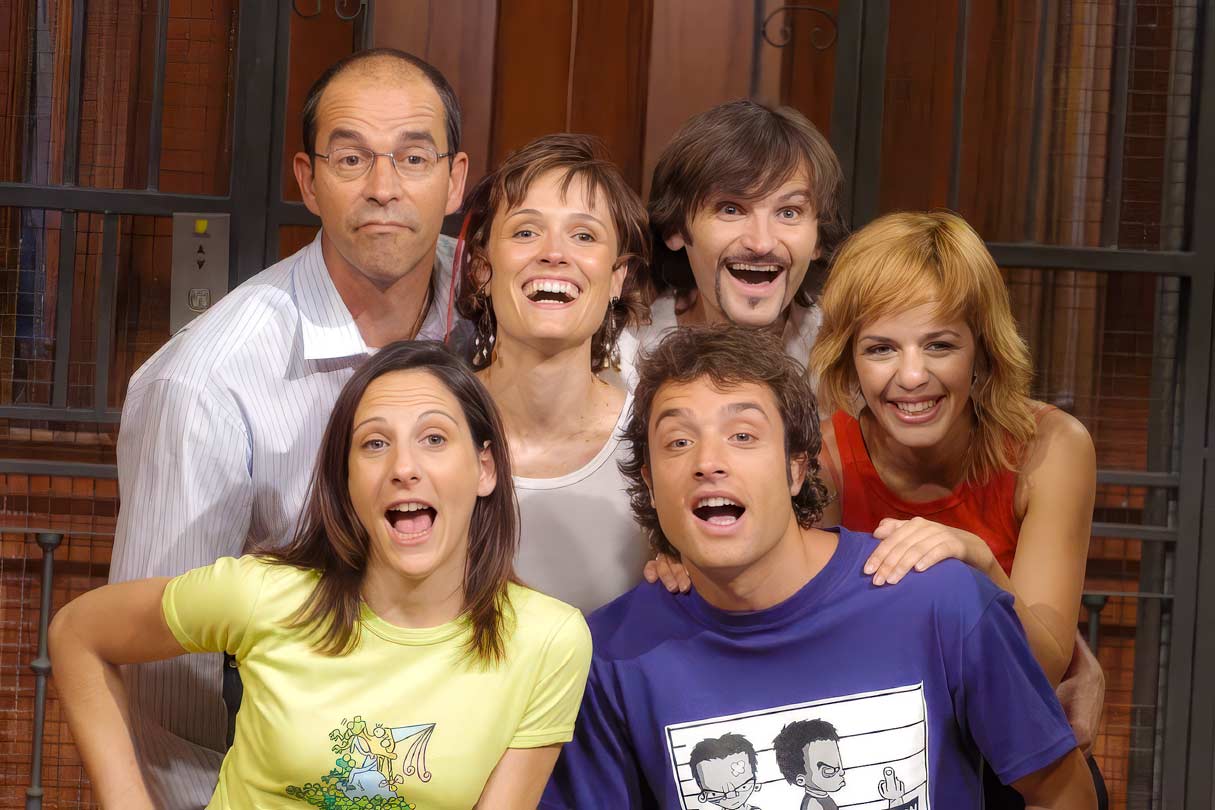
This instance exemplifies a broader trend in television production where creative freedom and on-set improvisation can sometimes lead to the most memorable and defining moments of a show. The success of this particular phrase suggests that the writers and producers of "Aquí No Hay Quien Viva" were receptive to the actors’ input and understood the value of authentic, in-the-moment dialogue.
Remembering Mariví Bilbao: A Force of Nature
Adánez dedicated a significant portion of her interview to reminiscing about Mariví Bilbao, the actress who brought the character of Marisa to life with such unforgettable flair. Adánez described Bilbao as "brilliant" and "one of those free and cultured women who would tell you extravagant stories." This description aptly captures the spirit of an artist who could deliver a seemingly simple line on set and have it evolve into a recurring element that would define a character and a series for years to come. Bilbao’s ability to imbue her performance with such personality and originality was a key factor in the show’s success.
The actress also fondly recalled the camaraderie and shared experiences with her co-stars during filming. She spoke with warmth about the lunches she shared with Bilbao, Gemma Cuervo, and Emma Penella. For Adánez, these gatherings were more than just breaks between scenes; they were "a lesson in life, history, theater, and culture." The presence of these three accomplished actresses, each with their own distinguished careers, undoubtedly contributed to the rich tapestry of talent that defined "Aquí No Hay Quien Viva." The shared moments off-camera likely fostered the genuine connections and chemistry that were so evident on screen, further enhancing the authenticity of the characters and their interactions.
The Enduring Power of Collective Memory
The fact that a taxi driver in Mexico City could recognize an actress from a Spanish television series that concluded two decades ago speaks volumes about the profound impact "Aquí No Hay Quien Viva" had on its audience. The revelation that one of its most enduring catchphrases originated not from a script but from an actor’s spontaneous interjection further amplifies the show’s unique place in television history. It underscores the idea that sometimes, the most memorable elements of a fictional work are not meticulously planned but emerge from the genuine creativity and spirit of the individuals involved.
The series’ ability to maintain its relevance and spark nostalgic conversations years after its conclusion highlights the power of well-crafted storytelling and memorable characters. The communal experience of watching and discussing such shows fosters a sense of shared cultural identity, with catchphrases and inside jokes becoming a form of collective shorthand. "Aquí No Hay Quien Viva" achieved this level of cultural penetration by consistently delivering relatable humor and authentic performances, even if some of its most iconic moments were unplanned. The unscripted brilliance of "¡Qué mona va esta chica siempre!" serves as a powerful reminder that magic can happen when talent, creativity, and a receptive environment converge. The legacy of Desengaño 21 continues to live on, not just in reruns, but in the shared memories and spontaneous laughter it continues to inspire.

0 Comments