
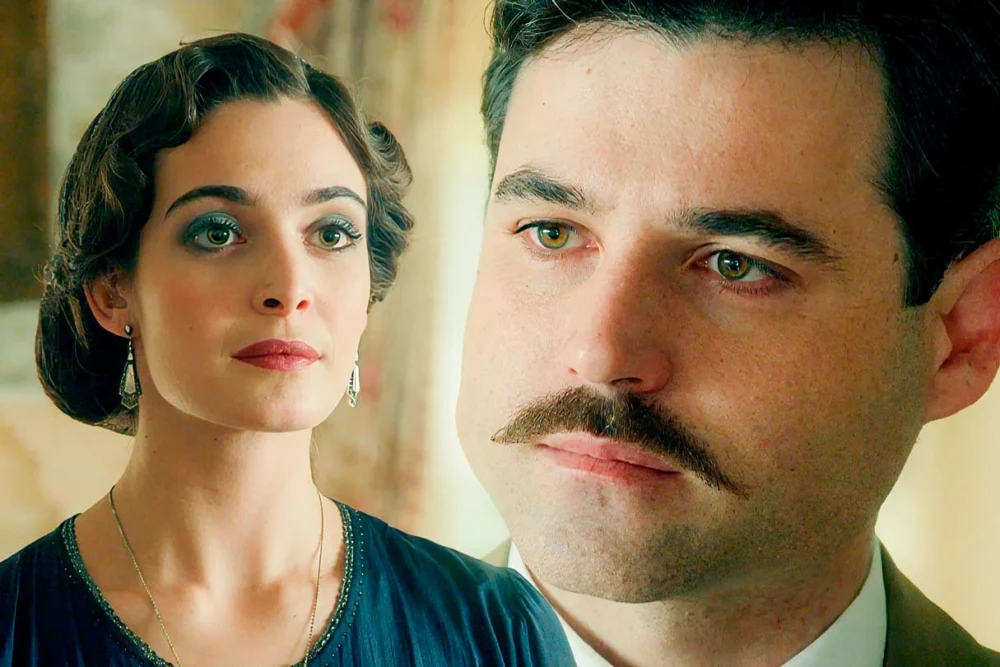
The return of the heir to the La Promesa estate has not ushered in the tranquility anticipated. Instead, it has amplified the underlying tensions, particularly in the interactions between Manuel and Julieta. Their conversations, often more significant for what remains unsaid, are a focal point of the unfolding drama, hinting at a connection that defies attempts at suppression. Manuel, having departed with the hope that distance would cool a burgeoning sentiment he deemed inappropriate, finds himself confronted by the very reality he sought to escape. Julieta remains at La Promesa, now a prominent figure alongside Ciro, who has assumed leadership of the estate.
Rekindled Unease and a Plea for Forgiveness
The initial encounter between Manuel and Julieta was steeped in an awkwardness that belied the depth of their unspoken feelings. Manuel, striving to maintain a façade of formal distance, soon realized the futility of concealing his emotions behind a veneer of detachment. This realization culminated in a pivotal moment where he extended a direct apology to Julieta. This gesture, far from resolving lingering issues, served to underscore the unique rapport and palpable intimacy that exists between them, a closeness they both seem hesitant to acknowledge or define. The scene reinforced the understanding that their bond transcends mere acquaintance, suggesting a shared emotional landscape that neither can easily disregard.
Julieta’s Growing Discontent and the Shadow of Control
Julieta’s personal circumstances are equally complex, with her conversation with Manuel revealing the strain within her marriage and a distinct lack of harmony with Ciro. The narrative highlights Ciro’s increasingly controlling nature, exemplified by his disapproval of Julieta’s descent to the kitchens. While seemingly a minor detail, this incident serves as a microcosm of the restrictive life Ciro appears determined to impose upon her. Julieta’s acceptance of this situation is marked by a profound resignation, a quiet preparation for a future devoid of genuine joy or aspiration. This submissive posture suggests a deep-seated weariness and a growing sense of entrapment within the confines of her marital obligations and societal expectations.
The Contrasting Worlds of Ciro and Manuel
At the heart of this narrative arc lies a stark contrast between the two men in Julieta’s life. Ciro embodies a world of rigid adherence to convention, of strict decorum and the maintenance of appearances. Manuel, on the other hand, emerges as the sole individual capable of truly hearing Julieta, of understanding her unspoken needs and desires. His silences, paradoxically, convey more profound empathy than many overt declarations. This dynamic transforms every shared moment between Manuel and Julieta into a high-stakes encounter, a dangerous territory where unspoken emotions possess an undeniable clarity. The palpable chemistry between them, even in the absence of explicit confessions, creates a compelling narrative tension, leaving audiences to speculate on the future trajectory of their intertwined destinies.
Background Context: The La Promesa Estate and its Intricacies
La Promesa, a sprawling estate steeped in history and tradition, serves as the opulent backdrop for these unfolding personal dramas. The estate’s management and the dynamics of its inhabitants are central to the ongoing narrative. The recent leadership transition, with Ciro stepping into a more prominent role, has undoubtedly altered the power structures and interpersonal relationships within the household. Manuel’s return, following a period of self-imposed exile, signals a disruption to the established order, forcing characters to confront unresolved issues and re-evaluate their positions. The estate’s economic fortunes and the intricate web of familial obligations often dictate the characters’ choices and influence their emotional states, adding layers of complexity to their personal struggles.
Chronological Progression of Key Events
The current narrative arc can be traced through a series of significant events:
- Manuel’s Departure: Driven by an internal conflict regarding his feelings for Julieta and the perceived inappropriateness of their connection, Manuel leaves La Promesa. His intention is to create physical and emotional distance, hoping to quell the burgeoning sentiment.
- Ciro’s Ascension: During Manuel’s absence, Ciro assumes a more authoritative position within the estate, effectively taking the reins of its operations. This shift in leadership likely impacts the daily routines and social dynamics of the household.
- Manuel’s Return: Manuel reappears at La Promesa, finding the situation more complicated than he had anticipated. His return coincides with Julieta’s continued presence and her newly prominent role alongside Ciro.
- The Awkward Reunion: The initial interactions between Manuel and Julieta are characterized by palpable discomfort and a strained formality, a common indicator of suppressed emotions.
- Manuel’s Apology: Recognizing the inadequacy of his detached demeanor, Manuel directly apologizes to Julieta, acknowledging the depth of their connection and the implicit hurt caused by his previous actions.
- Julieta’s Disclosure: In her conversation with Manuel, Julieta subtly reveals the growing dissatisfaction within her marriage to Ciro, particularly highlighting his controlling tendencies and her own sense of resignation.
Analysis of Implications: The Unfolding Romantic and Social Landscape
The current trajectory of Manuel and Julieta’s relationship has significant implications for the social fabric of La Promesa. Their unspoken connection challenges the established norms of marriage and societal expectations. Julieta’s growing disillusionment with Ciro, coupled with her discernible comfort and understanding with Manuel, suggests a potential shift in her allegiances and future aspirations.
From a broader perspective, the dynamic between Manuel and Julieta can be viewed as a commentary on the constraints placed upon women in a patriarchal society. Julieta’s apparent resignation to Ciro’s control highlights the limited agency she possesses, while her interactions with Manuel offer a glimpse of a more fulfilling emotional existence. The tension between duty and desire, a recurring theme in such narratives, is acutely present here.
Furthermore, Ciro’s controlling behavior, if left unchecked, could lead to further alienation and resentment, potentially destabilizing his authority and the stability of the estate. The contrast between his rigid adherence to tradition and Manuel’s more empathetic approach positions Manuel as a potential catalyst for change, albeit one operating within the complex and often restrictive environment of La Promesa. The series of events suggests an inevitable confrontation, whether emotional or otherwise, as these conflicting desires and power dynamics continue to evolve. The unvoiced sentiments between Manuel and Julieta are poised to become a driving force in the unfolding narrative, potentially reshaping the relationships and destinies of all involved. The very air at La Promesa seems charged with anticipation, as the characters navigate the delicate balance between societal obligation and the undeniable pull of genuine human connection.

0 Comments