
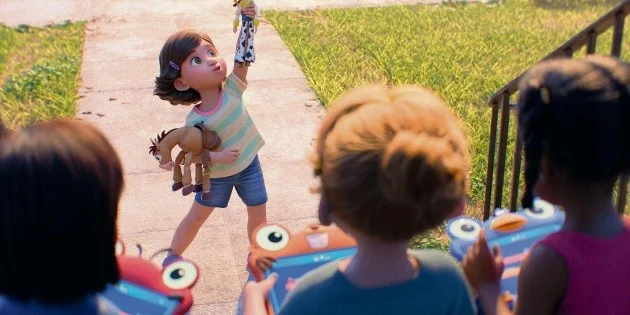
Mexico City, Mexico – July 15, 2026 – Toy Story 5, the latest installment in the globally beloved animated saga, has officially claimed the top position in both revenue and attendance at the Mexican box office for 2026, a remarkable achievement just four weeks after its theatrical debut on June 17, 2026. This monumental success solidifies the film’s status as a cultural phenomenon and a significant triumph for Disney and Pixar Animation Studios in one of the world’s most vital cinematic markets. The animated feature’s rapid ascent into the echelons of Mexican box office history underscores the enduring appeal of its characters and narrative, resonating deeply with generations of viewers.
A Historic Feat: Breaking the Billion-Peso Barrier
The film’s financial performance has been nothing short of extraordinary, with its total gross revenue surpassing the coveted one billion pesos mark. This benchmark is a rare accomplishment in the Mexican film industry, a threshold previously crossed by only ten other productions in the nation’s entire cinematic history. Toy Story 5‘s entry into this exclusive club not only highlights its immense popularity but also positions it firmly as the highest-grossing release of the current year. To put this figure into perspective, one billion Mexican pesos translates to approximately 55 million U.S. dollars at current exchange rates, a substantial sum that places Mexico among the top international markets for Hollywood blockbusters. This performance indicates a robust recovery and sustained growth in cinema attendance following global industry challenges, with families and fans eagerly returning to theaters for a shared viewing experience.
Further cementing its legendary status, Toy Story 5 has ascended to the seventh spot on Mexico’s all-time historical box office ranking. This rapid climb within merely a month of its premiere speaks volumes about its immediate impact and sustained drawing power. Industry analysts have pointed to the film’s strategic summer release, coupled with its universal themes and established brand loyalty, as key factors in its unprecedented success. The combination of critical acclaim and widespread audience enthusiasm has created a powerful word-of-mouth effect, driving repeat viewings and attracting new audiences, including those who may have been introduced to the franchise more recently.
Disney-Pixar’s Unwavering Dominance in the Mexican Market
The success of Toy Story 5 is not an isolated event but rather a continuation of Disney and Pixar’s long-standing and formidable presence in the Mexican entertainment landscape. A staggering eight of the eleven films that have ever crossed the one billion pesos mark in Mexico belong to the Walt Disney Company’s portfolio. This includes a diverse array of hits such as Pixar’s critically acclaimed Inside Out 2 (released in 2024), the Marvel Cinematic Universe juggernaut Avengers: Endgame (2019), and the culturally resonant Coco (2017), which holds a special place in the hearts of Mexican audiences due to its celebration of Día de Muertos traditions.
This consistent performance underscores Disney’s mastery in understanding and catering to the preferences of the Mexican public. Their strategic release schedules, extensive marketing campaigns tailored for the local market, and a diverse slate of content spanning animation, superhero epics, and family dramas, have collectively ensured their unrivaled leadership. The studio’s ability to produce films that resonate emotionally and culturally, often with universal themes, allows them to transcend linguistic and demographic barriers.
The Enduring Legacy of a Beloved Franchise: A Chronology
The Toy Story franchise itself has a storied history in Mexico, maintaining a profound connection with its audience since its groundbreaking debut in 1995. The original Toy Story revolutionized animation with its pioneering use of computer-generated imagery and introduced audiences to the unforgettable duo of Sheriff Woody and space ranger Buzz Lightyear. It was a critical and commercial success globally, laying the groundwork for a franchise that would explore deeper themes with each subsequent installment.
- Toy Story (1995): The genesis, introducing the concept of toys coming to life and grappling with their owner Andy’s affections. It immediately captivated audiences with its innovative animation and heartfelt story.
- Toy Story 2 (1999): Expanded the universe, introducing Jessie the Cowgirl and exploring themes of legacy and fear of obsolescence, further deepening the emotional stakes.
- Toy Story 3 (2010): A poignant narrative focusing on Andy’s departure for college and the toys’ struggle with being outgrown. It achieved massive critical and commercial success, earning an Academy Award for Best Animated Feature.
- Toy Story 4 (2019): Continued the story, with Woody finding new purpose. This film also performed exceptionally well in Mexico, currently holding the fifth position in the all-time historical box office ranking, showcasing the franchise’s sustained appeal across decades.
- Toy Story 5 (2026): The latest chapter, building on the established emotional connection and pushing the narrative into contemporary societal issues, such as the impact of technology on traditional play.
This chronological success demonstrates that each film has not only met but often exceeded audience expectations, consistently delivering high-quality animation, compelling storytelling, and memorable characters. The franchise has become a multi-generational phenomenon, with original fans now sharing the magic with their children and grandchildren, creating a unique legacy of viewership.
"Toy Story 5": A New Narrative for a New Era
Toy Story 5 bravely ventures into contemporary societal discourse, presenting beloved characters Woody, Buzz Lightyear, and Jessie with a new, formidable challenge: the pervasive influence of advancing technology. The central conflict of the film revolves around the arrival of "Lilypad," an advanced electronic tablet that disrupts the traditional ways in which Bonnie, the toys’ owner, interacts with her classic playthings. Lilypad, voiced by the talented Greta Lee, is depicted not merely as a device but as an antagonist with "disruptive ideas," embodying the philosophical shift from tangible, imaginative play to screen-based, digital engagement.
This narrative choice is particularly astute, as it allows the film to connect with both new generations growing up in a digital-first world and veteran viewers who may feel a sense of nostalgia for simpler forms of play. The film subtly raises poignant questions about the future of play, the value of traditional toys, and the essence of imagination in an increasingly digital landscape. It explores how a child’s interaction with toys evolves, and what it means for the toys themselves when their primary purpose is seemingly threatened by sleek, interactive screens. This thematic depth, combined with Pixar’s signature blend of humor and heart, ensures that the film resonates on multiple levels, sparking conversations long after the credits roll.
Behind the Scenes: The Visionary Team Bringing the Toys to Life
The creative powerhouse behind Toy Story 5 is a testament to the consistency and talent within Pixar Animation Studios. Academy Award-winning director Andrew Stanton, known for his masterful storytelling in films like WALL-E and Finding Nemo, helmed this installment alongside Kenna Harris, bringing a blend of seasoned expertise and fresh perspectives. Stanton’s involvement provides a strong anchor to the franchise’s narrative integrity and emotional depth, while Harris’s contribution likely injected new creative energy, ensuring the film felt both familiar and innovative.
The production was expertly managed by Lindsey Collins, a veteran producer at Pixar with credits on acclaimed films such as WALL-E and Turning Red. Her role was crucial in maintaining the high standards of animation quality and narrative coherence that audiences have come to expect from Pixar. The continuity of such a skilled creative team is a significant factor in the franchise’s sustained success, ensuring that each film builds upon the legacy of its predecessors while pushing new boundaries.
Adding to the film’s distinctive charm and emotional resonance is the iconic score composed by Randy Newman. Newman, who has been an integral part of the Toy Story universe since its inception, returned to musicalize his fifth film in the saga. His signature blend of whimsical melodies and poignant orchestral arrangements has become synonymous with the franchise, perfectly encapsulating the joy, humor, and occasional melancholy of the toys’ adventures. Newman’s music is not merely background; it is a character in itself, guiding the audience through the emotional landscape of the story and reinforcing the timeless appeal of the films.
Voice of a Generation: The Iconic Cast and Newcomer Talent
A significant component of the Toy Story franchise’s enduring appeal lies in its stellar voice cast. The original English voices feature the legendary talents of Tom Hanks as Woody, Tim Allen as Buzz Lightyear, and Joan Cusack as Jessie. These actors have imbued their characters with such distinctive personalities and emotional depth that they have become synonymous with the roles, making them instantly recognizable and beloved by audiences worldwide. Their consistent return to the franchise ensures a comforting familiarity and continuity that fans cherish.
The introduction of Greta Lee as the voice of Lilypad, the new technological antagonist, represents a thoughtful expansion of the voice ensemble. Lee’s fresh voice brings a contemporary edge to the character, effectively embodying the disruptive, yet alluring, nature of the electronic tablet. The casting choices reflect Pixar’s commitment to both honoring the legacy of the franchise and embracing new talent to keep the stories relevant and engaging for modern audiences. The interplay between the established voices and the newcomer adds a dynamic layer to the film’s central conflict.
Industry Reactions and Analytical Insights
The resounding success of Toy Story 5 in Mexico has garnered significant attention from entertainment industry analysts. Many highlight the film’s performance as a testament to the enduring power of well-crafted stories and beloved characters in driving theatrical attendance. "This isn’t just a hit; it’s a phenomenon that reinforces the theatrical experience’s vitality in an age of streaming," commented Dr. Elena Rodriguez, a prominent film industry analyst based in Mexico City. "The ability of Toy Story 5 to draw such massive crowds, even after four previous installments, speaks to the unparalleled brand loyalty Disney and Pixar have cultivated. It’s a masterclass in storytelling that adapts to contemporary themes without losing its core identity."
Cinema exhibitors across Mexico have also expressed enthusiasm. "The sustained attendance for Toy Story 5 has been a significant boost for us," stated Ricardo Morales, director of a major cinema chain. "It demonstrates the importance of tentpole films in driving foot traffic and revenue, not just for the film itself, but for the entire cinema ecosystem. Families are coming back to the movies, and Toy Story 5 is leading the charge." The film’s continued availability in theaters nationwide suggests that its box office numbers are likely to climb further in the coming weeks, potentially challenging even higher spots on the all-time ranking.
Broader Implications: Beyond the Box Office
The impact of the Toy Story intellectual property extends far beyond its impressive box office figures. The franchise has created a vast ecosystem encompassing consumer products, merchandise, and popular attractions in Disney theme parks around the globe. This latest success will undoubtedly fuel renewed interest and sales in these ancillary markets, further solidifying the brand’s global relevance more than three decades after its initial creation. The connection between the films and the tangible products creates a synergistic relationship, where the film’s success drives merchandise sales, and the merchandise keeps the characters top-of-mind between film releases.
Moreover, Toy Story 5‘s exploration of technology versus traditional play resonates deeply with parents and educators, making it a culturally relevant piece that transcends simple entertainment. The film serves as a catalyst for discussions about balancing screen time with imaginative play, an increasingly pertinent topic in modern households. This thematic depth enhances its value beyond mere commercial success, establishing it as a significant cultural touchstone.
The Future of Play and the "Toy Story" Universe
Toy Story 5‘s triumph signals not only the continued strength of Disney-Pixar but also the enduring power of the franchise itself. The film successfully navigates complex modern themes while retaining the core values of friendship, loyalty, and purpose that have defined Woody, Buzz, and their companions. As the film continues its impressive run in theaters, the numbers suggest a sustained interest that will likely see its total gross revenue climb even higher, further solidifying its place in Mexican cinematic history.
The ability of the Toy Story universe to evolve with its audience, tackling relevant issues while maintaining its signature charm and emotional depth, bodes well for its future. While no official announcements regarding further installments have been made, the unequivocal success of Toy Story 5 provides a compelling argument for the continued exploration of this beloved world. The legacy of Toy Story is not just about toys coming to life; it’s about timeless stories that reflect our own humanity, our fears, and our hopes, ensuring its place as a cinematic treasure for generations to come.

0 Comments