
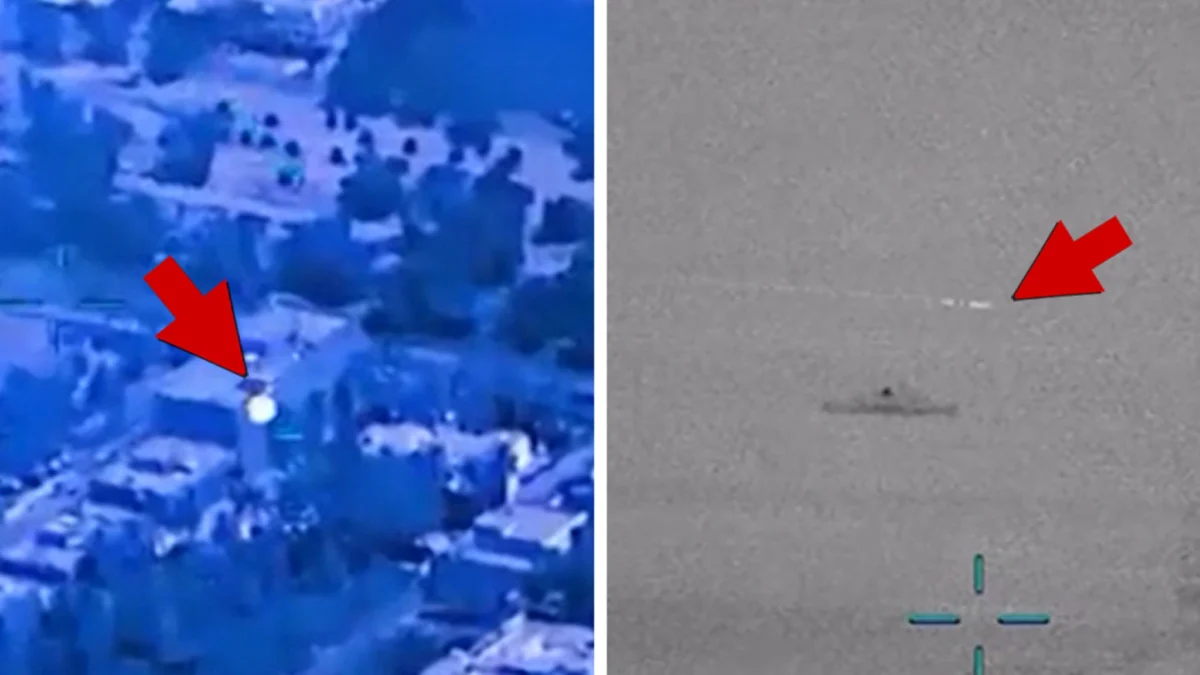
The Department of War has released its fifth significant trove of historical Unidentified Anomalous Phenomena (UAP) records, offering the public an unprecedented look into decades of unexplained aerial observations, with TMZ securing an exclusive initial review of some of the most compelling footage and accompanying documentation. This latest declassification, announced on August 7, 2026, continues the Trump administration’s stated commitment to radical transparency regarding these enigmatic phenomena, aiming to empower Americans with comprehensive information to form their own conclusions.
The Latest Declassification Wave and Key Revelations
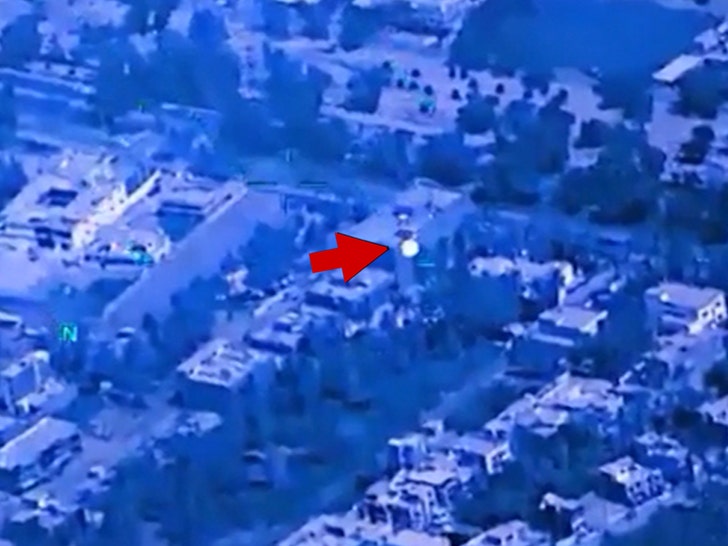
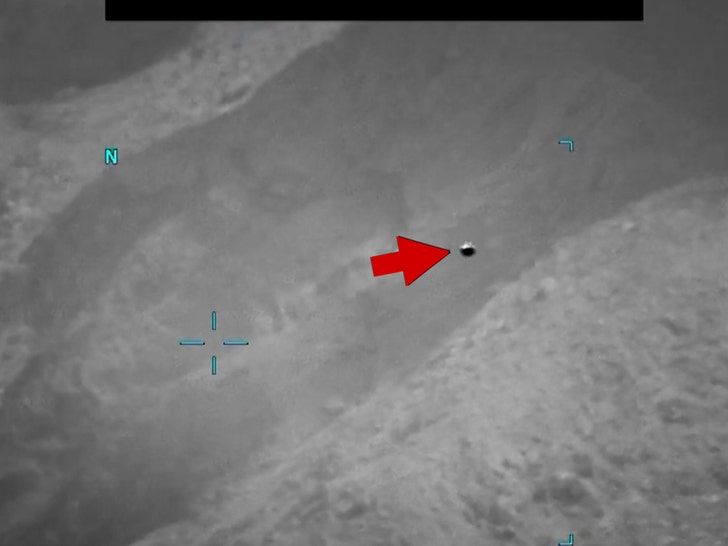
The newly unsealed collection encompasses a vast array of materials, including visual recordings, radar data, internal memoranda, and eyewitness accounts spanning from the mid-20th century to the present day. Sources within the Department of War indicate this release is particularly rich in high-fidelity footage, much of which has been digitally enhanced and cross-referenced with multiple sensor readings before public dissemination. The visual evidence, originating from various global locations, reportedly depicts objects exhibiting characteristics that defy conventional aerodynamic principles: rapid, non-Newtonian accelerations; instantaneous changes in direction; prolonged silent hovering at various altitudes; and emissions of unexplained light. These observations challenge established understanding of physics and known aerospace technologies.
One particularly striking file, dating back to 1953, details a comprehensive military analysis of footage captured during a series of incidents over the North Atlantic. Investigators at the time meticulously documented multiple aerial objects, which they concluded displayed characteristics "inconsistent with natural atmospheric phenomena or any known conventional or experimental aircraft of the era." The report, now accessible in its entirety, highlights parameters such as estimated speeds exceeding Mach 10 without sonic boom, abrupt angular maneuvers, and the complete absence of discernible propulsion systems or exhaust plumes. This early assessment underscores a long-standing pattern of official acknowledgment of truly anomalous observations, often kept out of public discourse for decades due to national security classifications and a lack of clear explanatory frameworks. The 1953 report further speculated on the potential for advanced foreign adversary technology or, more controversially, non-terrestrial origins, though these latter hypotheses were largely suppressed in subsequent public-facing summaries.
Adding a contemporary dimension to the declassified files, another recently unsealed document details a compelling series of events from earlier in 2026. This record chronicles an interview conducted by the Federal Bureau of Investigation (FBI) with an American citizen in the western United States who reported three distinct UAP encounters within a mere five-hour period. The individual, identified only by an anonymized designation, described visual sightings of metallic, disc-shaped objects exhibiting extraordinary maneuverability and speed over remote desert landscapes. These sightings were reportedly corroborated by localized radar anomalies and brief, unexplained electromagnetic interference affecting the witness’s personal electronic devices. The FBI’s detailed report, while offering no definitive explanation, classified the incidents as "unresolved anomalous aerial observations with credible witness testimony," marking a significant departure from previous investigative reluctance to engage with such reports in a public forum.
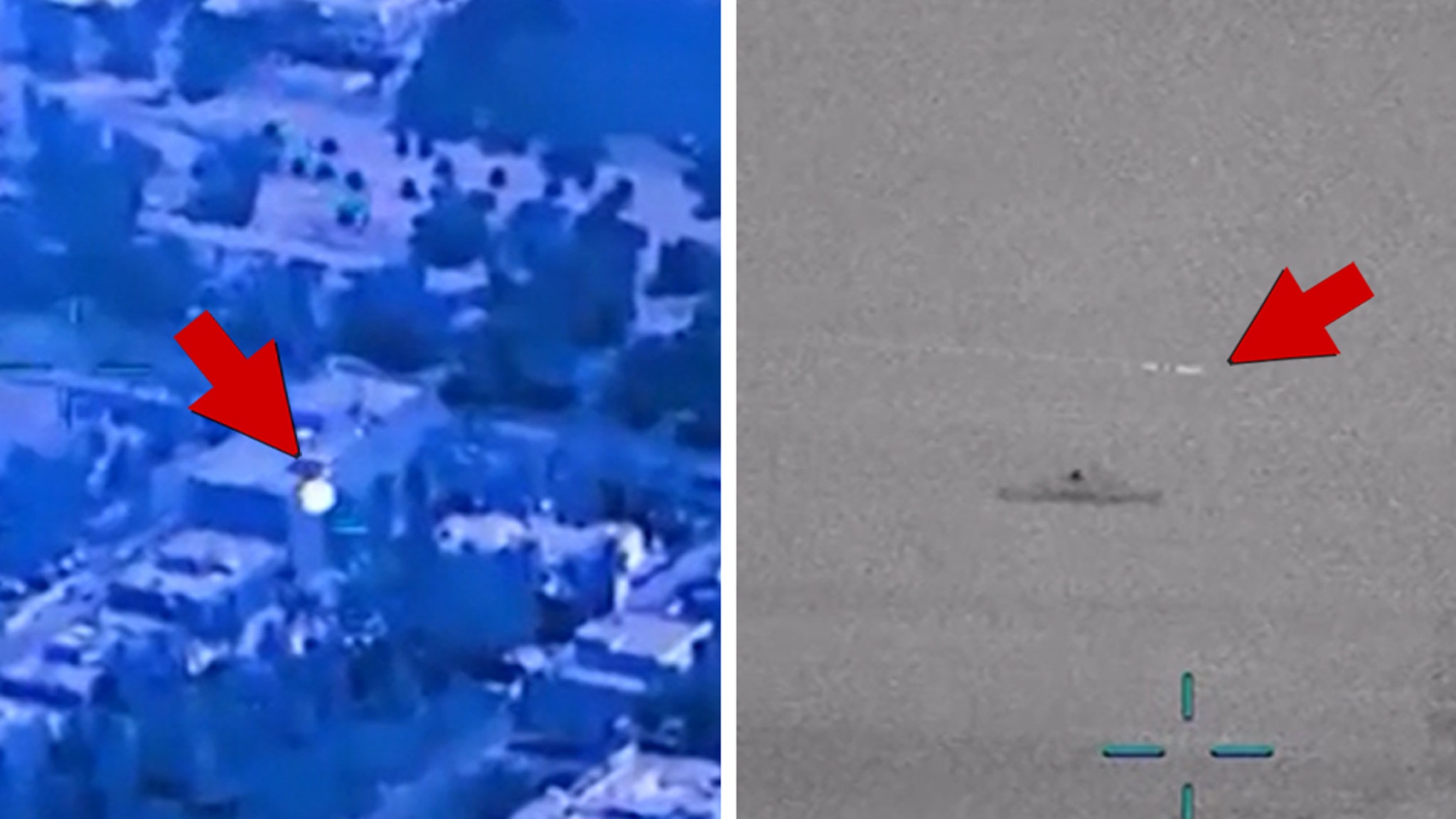
TMZ’s exclusive access to select portions of this trove marks a strategic shift in information dissemination, leveraging a platform known for its wide reach to present serious government disclosures to a broader, potentially less specialized, audience. This approach signals a deliberate effort by the administration to ensure maximum public engagement with the UAP phenomenon, moving beyond traditional scientific or defense-oriented channels.
A New Era of Transparency: The Trump Administration’s UAP Initiative
The release of this fifth tranche of UAP records is a direct continuation of the Trump administration’s multi-year initiative to demystify unexplained aerial phenomena. This policy pivot, initially gaining traction during the previous administration but significantly accelerated under President Trump, reflects a growing recognition within government circles that sustained secrecy surrounding UAPs is no longer tenable, nor is it beneficial for national security or public trust. The Department of War, a recent rebranding or specialized agency within the broader defense apparatus, has been at the forefront of this effort, tasked with centralizing UAP data collection, analysis, and controlled disclosure.
A senior Trump administration official, speaking exclusively to TMZ, reiterated the core philosophy driving these unprecedented disclosures. "President Trump and the administration are not trying to sway anyone’s opinion in one way or the other," the official stated. "Our objective is purely to provide the public with as much information as possible, allowing people to make up their own minds based on factual data, not speculation or rumor. This is about transparency and empowering citizens with knowledge that has long been held behind classified walls." This statement underscores a strategic neutrality, framing the declassification as a public service rather than an endorsement of any particular UAP theory.
The administration’s transparency drive has been consistently backed by public access initiatives. All declassified materials, including the latest batch, are made available through a dedicated online portal hosted by the Department of War at war.gov/UFO. This digital archive, meticulously cataloged and searchable, allows citizens, researchers, and journalists to independently delve into the raw data, fostering an environment of collaborative inquiry and scrutiny. The user-friendly interface and comprehensive indexing represent a significant improvement over previous, often fragmented, disclosure efforts.
Historical Context: From Secrecy to Scrutiny
The current era of UAP transparency stands in stark contrast to decades of official government secrecy and dismissiveness. For much of the 20th century, government engagement with "flying saucers" or "UFOs" was characterized by a combination of denial, ridicule, and tightly controlled information. Projects like the U.S. Air Force’s Project Blue Book (1952-1969) often concluded that most sightings were misidentifications of conventional objects or natural phenomena, with a small percentage remaining "unexplained" but rarely publicly acknowledged as genuinely anomalous. The Condon Report in 1969, commissioned by the Air Force, famously concluded that further study of UFOs was unlikely to yield scientific advances, effectively shutting down official investigations for decades.
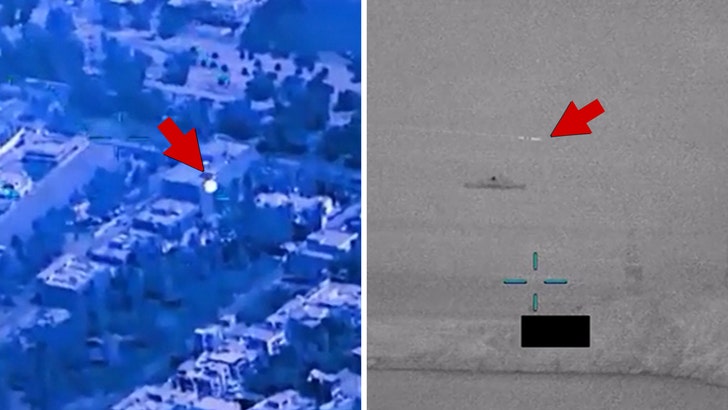
However, the tide began to turn in the late 2000s and early 2010s with the emergence of credible accounts from military personnel, particularly U.S. Navy pilots. High-profile incidents, such as the 2004 "Tic Tac" encounter off the coast of San Diego, where naval aviators observed an object defying known aeronautical capabilities, gradually forced a re-evaluation within defense and intelligence circles. The subsequent revelations about the Advanced Aerospace Threat Identification Program (AATIP), a covert Pentagon initiative to study UAPs, further fueled public and congressional interest.
The landmark moment arrived in 2021 with the release of the preliminary assessment by the Office of the Director of National Intelligence (ODNI) on UAPs, mandated by Congress. This report acknowledged 144 UAP incidents, with only one conclusively identified as a large, deflating balloon. The remaining 143 cases lacked sufficient data for explanation, effectively validating the existence of genuinely unexplained aerial phenomena observed by trained military personnel. This report paved the way for subsequent congressional hearings, the establishment of permanent UAP investigation offices within the Pentagon (such as the All-domain Anomaly Resolution Office, AARO, or its successor in this 2026 timeline), and the current administration’s intensified declassification efforts. The shift from "UFO" (Unidentified Flying Object, often associated with extraterrestrial speculation) to "UAP" (Unidentified Anomalous Phenomena, a more scientifically neutral term) reflects this evolving, more rigorous approach.
The inclusion of the 1953 analysis in the current release is particularly significant. It demonstrates that government agencies have possessed evidence of highly anomalous aerial craft for over seven decades, consistently identifying characteristics that fall outside known human capabilities. The historical suppression of such detailed findings highlights the profound societal and strategic implications that have historically driven government secrecy.
Scientific and National Security Implications
The ongoing declassification of UAP files carries profound implications for both the scientific community and national security. From a scientific perspective, these disclosures represent a potential paradigm shift. The consistent reports of objects demonstrating advanced propulsion, energy manipulation, and stealth capabilities could necessitate a re-evaluation of fundamental physics. If these phenomena are indeed physical objects, their origin – whether terrestrial but unknown, or non-terrestrial – has monumental consequences for our understanding of technology, life beyond Earth, and the universe itself. Scientists are now calling for greater access to raw data, standardized reporting protocols, and interdisciplinary research initiatives involving physicists, astronomers, material scientists, and aerospace engineers to rigorously analyze the phenomena. The availability of diverse data sets, spanning decades and geographic locations, offers an unparalleled opportunity for empirical investigation, potentially leading to breakthroughs in fields ranging from propulsion systems to energy generation.
On the national security front, the implications are immediate and severe. The persistent presence of unidentified, highly capable aerial objects operating within sensitive airspace poses an undeniable security challenge. The Department of War, by its very name and mandate, is primarily concerned with threats. If these UAPs represent advanced adversarial technologies, understanding their capabilities and origins is paramount for national defense. The data suggests these phenomena exhibit superior performance to any known aircraft, raising critical questions about intelligence gaps and defensive vulnerabilities. Conversely, if they are non-terrestrial, the security implications shift towards understanding their intentions, communication protocols, and potential impact on global stability. The declassification efforts, while promoting transparency, also serve to inform defense planners about the scope of the unknown and the urgent need for robust sensor systems, rapid response protocols, and advanced intelligence analysis. The recent 2026 FBI interview, with multiple UAP encounters in a short timeframe, further underscores the ongoing and potentially increasing frequency of these phenomena within domestic airspace, demanding heightened vigilance.
Reactions and Future Outlook
The Trump administration’s continuous UAP declassification initiative has elicited a wide range of reactions from various stakeholders.
The Scientific Community has largely welcomed the increased transparency, though many emphasize the need for more rigorous, unredacted data and sustained funding for academic research. Dr. Aris Thorne, a theoretical physicist at the Institute for Advanced Studies, commented, "While the footage is compelling, the real scientific value lies in the granular data – sensor readings, spectral analysis, telemetry. We need to move beyond anecdotal evidence to verifiable, reproducible scientific inquiry. This administration’s commitment is a crucial first step, but the journey towards understanding is long." There is a strong call for the establishment of a dedicated, independent scientific body to coordinate UAP research, free from military classification constraints where possible.
Defense Analysts and Former Intelligence Officials remain cautiously pragmatic. Many acknowledge the national security imperative behind these disclosures, viewing UAPs as potential intelligence blind spots or even advanced reconnaissance by state or non-state actors. "The military’s primary role is to identify and mitigate threats," noted General (Ret.) Elena Petrova, a defense strategist. "Whether these objects are foreign espionage, unknown natural phenomena, or something else entirely, their presence in our airspace demands serious attention and resources. The transparency helps in understanding the scope of the problem, but also potentially reveals our vulnerabilities."
UAP Advocacy Groups and the Public have largely responded with enthusiasm and a sense of vindication. For decades, these groups have campaigned for government transparency, often facing skepticism and derision. The current wave of declassifications is seen as a validation of their long-held belief that "the truth is out there." Public interest in UAPs has surged, leading to increased online discussions, citizen science initiatives, and calls for even more comprehensive disclosure. However, there remains a segment of the public that views these disclosures with cynicism, questioning the timing and motivations behind the transparency.
Congressional Oversight Committees are expected to maintain pressure on the Department of War and other intelligence agencies for continued and expanded transparency. Senator Anya Sharma, chair of a key Senate Intelligence Subcommittee, recently stated, "Congress has a constitutional obligation to ensure the safety of American airspace and the responsible handling of sensitive information. While we commend the administration’s efforts, our oversight will continue to push for maximum disclosure, scientific rigor, and a clear strategic framework for addressing UAPs." Future legislative efforts may focus on solidifying permanent UAP research and disclosure mechanisms, independent of any single administration’s policy.
Looking ahead, the ongoing release of UAP files by the Trump administration signals a permanent shift in how governments worldwide may approach this complex issue. The era of outright denial appears to be over, replaced by a nuanced strategy of controlled transparency aimed at informing the public while simultaneously addressing critical national security concerns. The ultimate impact of these disclosures, however, will hinge on the ability of scientists, policymakers, and the public to collectively analyze and comprehend the implications of phenomena that continue to defy conventional explanation, pushing the boundaries of human knowledge and challenging long-held assumptions about our place in the universe. The journey to fully understand these Unidentified Anomalous Phenomena has just begun, and the coming years promise to be a fascinating chapter in this unfolding mystery.

0 Comments