
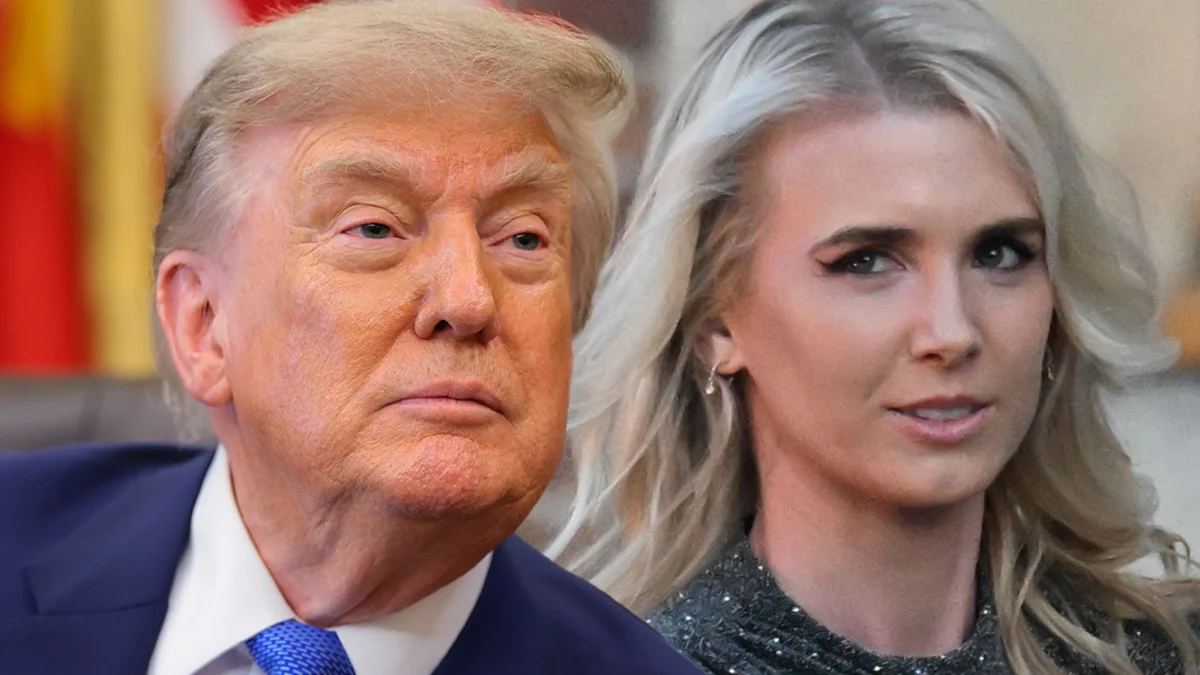
A significant breach of established White House security protocols has come to light with reports confirming that Natalie Harp, a prominent and ever-present aide to former President Donald Trump, operated within the executive mansion for more than a year without possessing a formal security clearance. This revelation, first reported by MS NOW, has ignited concerns among security experts and former government officials, highlighting potential vulnerabilities within the highest levels of national security. Harp’s unusual proximity to the President, coupled with her reported lack of clearance for an extended period, raises serious questions about the integrity of White House operations and the safeguarding of sensitive information.
The Unprecedented Access Without Vetting
According to the investigation by MS NOW, Natalie Harp, who served as Trump’s executive assistant, did not complete the necessary paperwork to initiate her formal background investigation for well over a year into her tenure. This protracted delay reportedly caused considerable alarm among White House lawyers and security officials, whose primary mandate is to uphold the rigorous standards designed to protect classified information and national security interests. The security clearance process is a multi-layered, exhaustive undertaking designed to vet individuals who will have access to sensitive government information. It typically involves extensive background checks, financial reviews, interviews with associates, and assessments of loyalty and trustworthiness. For an individual in such a close advisory and operational role to the President, the absence of this critical vetting for an extended period represents a significant deviation from standard procedure.
Harp’s role was far from peripheral. She was described as a "presidential shadow," frequently traveling with Trump, sitting in an office adjacent to the Oval Office, and even possessing access to his Truth Social account – a platform often used by the former President to communicate directly and sometimes discuss matters of national importance. Such direct access to the President’s immediate environment and digital communications channels, without the customary security vetting, implies an unprecedented level of trust that bypassed the very mechanisms designed to protect the executive branch from undue influence or security risks.
A Timeline of Unvetted Proximity
The timeline of Natalie Harp’s unvetted presence in the White House unfolds as a concerning chronology:
- Early Days (Beyond "Over a Year Ago"): Harp begins her work in close proximity to President Trump, rapidly ascending to a position of significant informal influence. Her role as a constant companion and executive assistant solidifies, placing her directly in the President’s inner circle.
- The "Over a Year" Period: For an extended duration, exceeding twelve months, Harp operates within the White House without having initiated the formal security clearance process. During this time, she is present in sensitive areas, attends meetings, and is privy to discussions that would ordinarily require top-level security clearances.
- Internal Alarms Raised: White House lawyers and security officials, tasked with maintaining operational integrity and national security, reportedly become increasingly concerned about Harp’s unvetted access. Their internal concerns highlight the perceived risk of an individual with such deep integration into the President’s daily operations lacking the foundational security review.
- Presidential Intervention: The situation escalates to the highest authority, with reports indicating that President Trump himself personally intervened at one point regarding Harp’s clearance status. The nature and specifics of this intervention remain unclear, but it underscores the unique circumstances surrounding Harp’s employment and the challenges faced by security officials in enforcing standard protocols.
- Recent Resolution: "In recent months," according to the report, Harp finally submitted the necessary paperwork and subsequently received her security clearance. This resolution came after the extended period of unvetted access and the reported internal concerns.
This sequence of events paints a picture of a White House where established security protocols were either circumvented, delayed, or overridden by executive prerogative, raising profound questions about accountability and risk assessment.
The Critical Importance of Security Clearances
Security clearances are not mere bureaucratic hurdles; they are fundamental pillars of national security. They serve several critical functions:
- Protection of Classified Information: The primary purpose is to ensure that individuals handling classified information – ranging from confidential to top secret – have been thoroughly vetted for reliability, trustworthiness, and loyalty. This minimizes the risk of espionage, unauthorized disclosure, or inadvertent leaks.
- Mitigation of Risk: The background investigation delves into an applicant’s financial history, foreign contacts, personal conduct, criminal record, and psychological stability. Any red flags in these areas could indicate vulnerabilities to blackmail, coercion, or poor judgment, which could be exploited by adversaries.
- Maintenance of Public Trust: A robust clearance system assures the public that those entrusted with the nation’s most sensitive secrets are held to the highest standards of integrity.
- Operational Integrity: Clearances ensure that all personnel operating within sensitive government environments understand and adhere to strict security protocols, preventing chaotic or compromised access to critical areas and systems.
For an individual like Harp, who had "all access" to the President’s immediate working environment, including his digital communications, the absence of a clearance meant that these vital safeguards were not in place for a significant duration. Her role as an executive assistant would likely expose her to sensitive discussions, documents, and potentially classified information, even if she wasn’t directly handling classified files in a formal capacity. The sheer proximity to the nation’s commander-in-chief elevates the risk exponentially.
Historical Precedents and Broader Implications
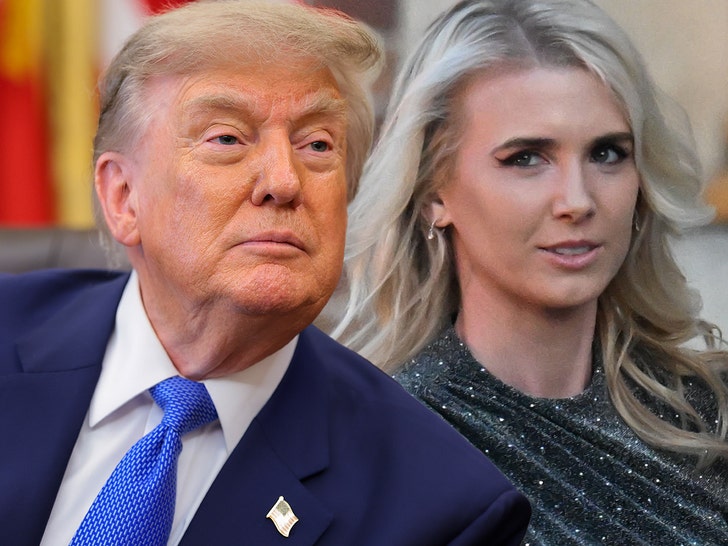
While specific details of Harp’s situation present a unique case, the issue of White House security clearances has been a recurring point of contention across administrations. During the Trump administration, controversies surrounding clearances were particularly pronounced:
- Jared Kushner: President Trump’s son-in-law, Jared Kushner, reportedly had his interim security clearance downgraded and faced significant delays in obtaining a permanent top-secret clearance due to concerns raised by intelligence officials. Reports indicated that career intelligence officials had expressed reservations about Kushner’s business dealings and foreign contacts. Despite these concerns, he continued to operate with high-level access for an extended period.
- Rob Porter: In 2018, White House Staff Secretary Rob Porter resigned amid allegations of domestic abuse. It was revealed that he had been operating on an interim security clearance for months, with his permanent clearance stalled due to adverse information in his background check. This incident prompted a review of the interim clearance process and raised questions about who was being granted access to sensitive information without full vetting.
These previous incidents, while differing in specifics, underscore a pattern where political appointees or individuals with close ties to the President were granted access to sensitive White House operations despite unaddressed security concerns or incomplete vetting processes. Harp’s situation, however, appears to extend the duration of unvetted access for a key aide to an unprecedented length, raising the bar on the perceived disregard for standard protocols.
The implications of this revelation are multifaceted:
- National Security Vulnerability: The most immediate concern is the potential national security risk. An unvetted individual, even if loyal, could inadvertently expose sensitive information, be susceptible to manipulation, or simply lack the training required to recognize and report security threats.
- Erosion of Trust in Institutions: Such breaches can erode public and institutional trust in the integrity of White House security operations. If the highest office in the land is perceived as lax in its security protocols, it could set a dangerous precedent.
- Accountability Questions: The incident raises questions about who within the White House was responsible for overseeing Harp’s clearance process, why the delay persisted for so long, and what consequences, if any, were faced by those who allowed it.
- Future Policy Debates: This incident is likely to fuel future debates about the balance between executive privilege and the imperative for robust security vetting in the White House, potentially leading to calls for stricter congressional oversight or reforms to the clearance process for presidential staff.
Harp’s Unique Proximity and Devotion
Natalie Harp’s reported role as a "presidential shadow" and her intensely personal devotion to Donald Trump add another layer of complexity to this security lapse. Prior reports by TMZ highlighted her constant presence by Trump’s side, including traveling with him during a "secret plane switcheroo" out of Turkey amid a security threat – an event that would undoubtedly involve highly sensitive operational details.
Further insights into her unique relationship with the former President came from her estranged brother, Preston Harp, who told CNN that he believed her devotion to Trump amounted to an "unhealthy obsession." This personal perspective, while not directly related to security clearance procedures, paints a picture of an individual whose loyalty and dedication were exceptionally profound. The article also referenced "intensely personal letters Harp has written Trump over the years," including one where she "apologized for disappointing him and described putting her work for him ahead of eating and sleeping."
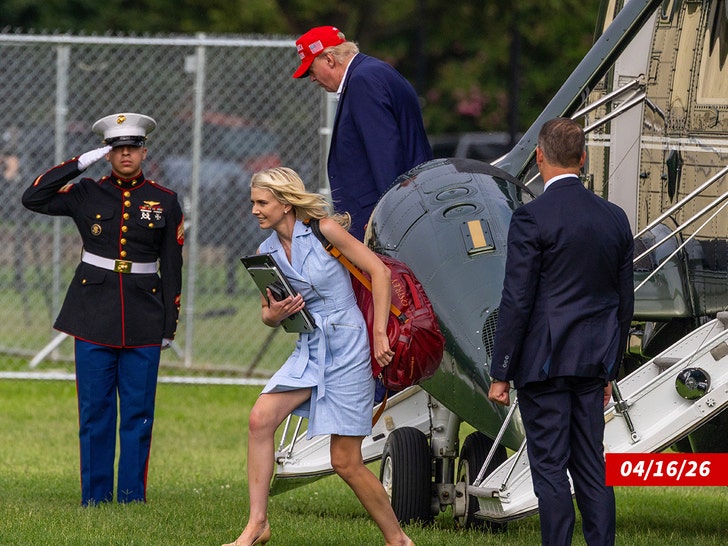
These personal details, while not directly proving a security risk, underscore the deep personal connection and perceived indispensable nature of Harp to Trump. This context helps explain why traditional bureaucratic hurdles, like the security clearance process, might have been overridden or ignored in favor of maintaining her immediate access to the President. It suggests a dynamic where personal trust and loyalty were prioritized, potentially at the expense of established institutional safeguards.
Official Responses and Accountability
As of the report, there have been no public statements directly from Natalie Harp or representatives of Donald Trump regarding the specifics of her unvetted access. The initial report from MS NOW indicated that "White House lawyers and security officials" were concerned, suggesting an internal struggle to enforce protocol. The "personal intervention" by Trump further indicates that the issue was known at the highest levels and handled outside standard channels.
In any administration, the ultimate responsibility for ensuring staff clearances rests with the White House Chief of Staff and the personnel security office. The fact that the situation persisted for "over a year" before resolution raises significant questions about the effectiveness of these internal checks and balances. The delay in completing the paperwork and the subsequent need for presidential intervention suggest either a systemic breakdown or a deliberate prioritization of access over security procedure.
Conclusion
The revelation that Natalie Harp, a key aide to Donald Trump, operated within the White House for over a year without a security clearance is a stark reminder of the delicate balance between operational efficiency, executive prerogative, and national security. While she reportedly obtained her clearance "in recent months," the extended period of unvetted access for an individual so deeply embedded in the President’s daily operations presents a serious security concern. It underscores the critical importance of a robust, independent security clearance process and raises profound questions about accountability, the integrity of White House protocols, and the potential vulnerabilities that may have existed at the highest echelons of government. As the full scope of this situation is assessed, it will undoubtedly contribute to ongoing discussions about safeguarding national security within the executive branch.

0 Comments