
 Jia Lissa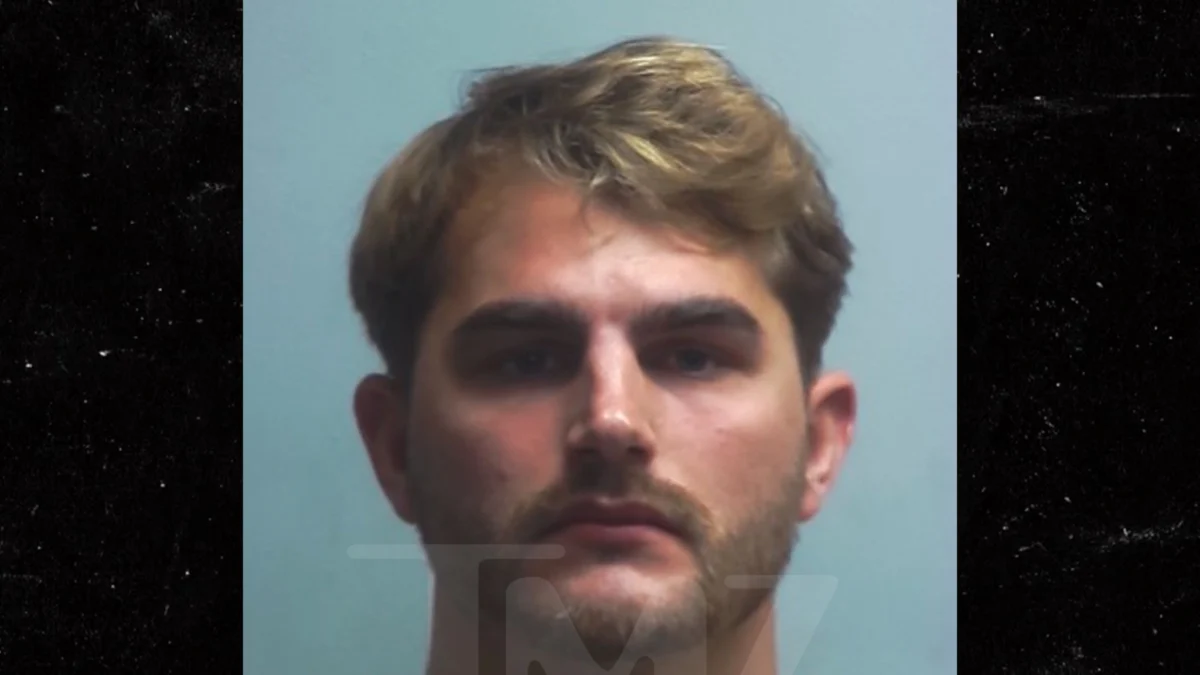
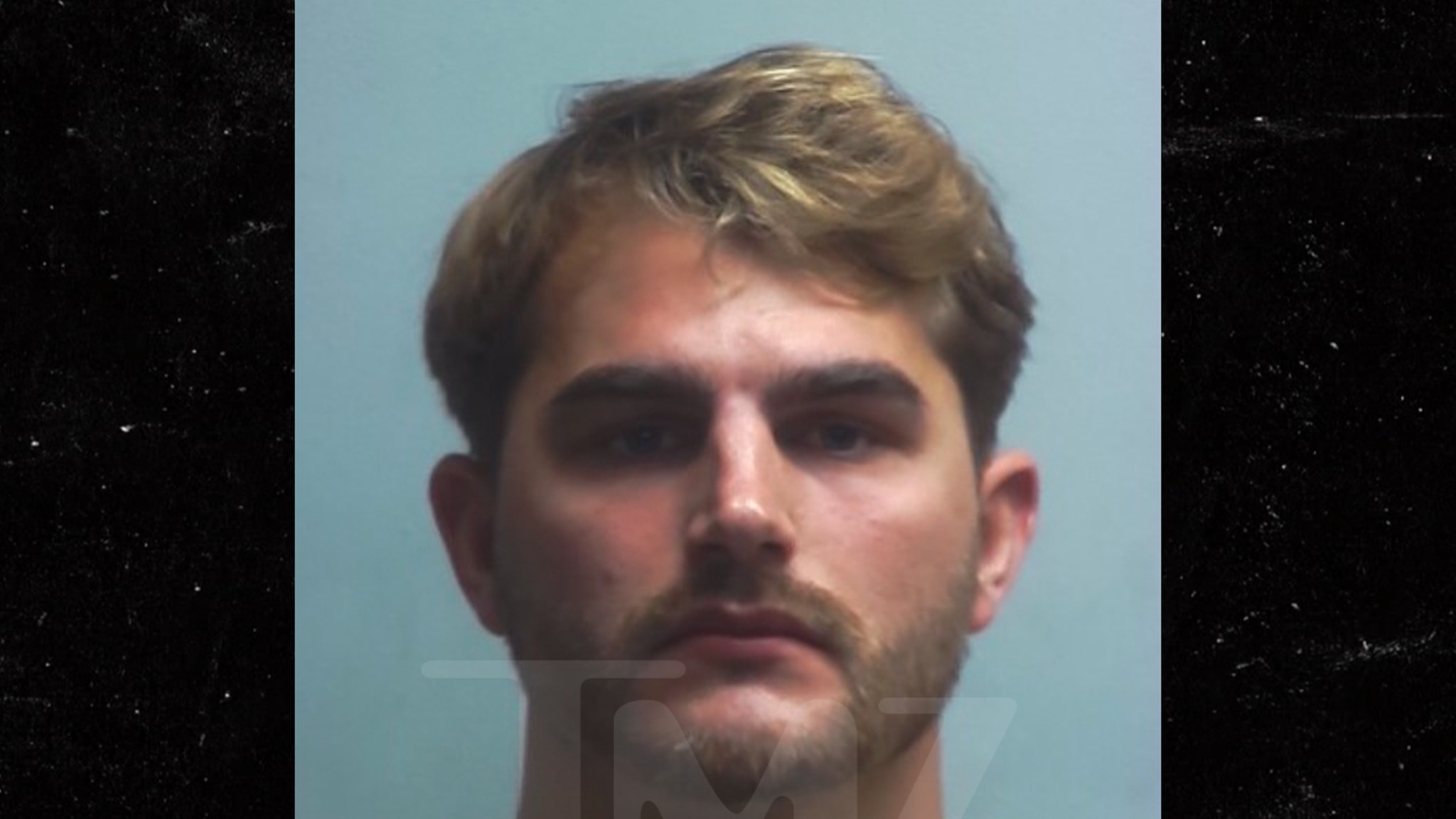
Blake Robertson, a prominent contestant from the recently aired fourth season of Netflix’s relationship reality series ‘The Ultimatum: Marry or Move On,’ was arrested in October 2025 on allegations of assaulting his girlfriend and fellow cast member, Hayley Hendrich. The arrest occurred in Nacogdoches, Texas, several months after filming for the popular streaming show had concluded, casting a shadow over the couple’s on-screen narrative and generating significant public discussion as the season premiered. While Robertson’s legal counsel asserts that the case was promptly dismissed and all records expunged, Hendrich has publicly stated her belief in the necessity of public accountability despite declining to press formal charges.
Arrest and Allegations Emerge Post-Filming
The incident leading to Robertson’s arrest reportedly took place at a business establishment in Nacogdoches, Texas, where he was accused of physically assaulting Hayley Hendrich. The specific nature of the alleged assault, as described in the initial reports, involved Robertson "putting his hands on Hayley." This development came nearly half a year after the couple had wrapped up their participation in ‘The Ultimatum,’ a show designed to test the resilience and future viability of relationships under intense pressure. The timing of the news, coinciding with the Netflix season’s release, immediately drew widespread attention, prompting a re-evaluation of the couple’s relationship dynamics depicted on screen. Law enforcement officials in Nacogdoches County confirmed the arrest, though details regarding the initial police report and specific charges filed remain limited due to subsequent legal actions.
The Premise of ‘The Ultimatum: Marry or Move On’
‘The Ultimatum: Marry or Move On’ is a high-stakes reality television experiment produced by Netflix, designed to challenge couples at a pivotal juncture in their relationships. The core premise involves one partner issuing an ultimatum to the other: commit to marriage or part ways. To test their compatibility and desires, the couples temporarily separate and engage in "trial marriages" with other contestants from the show. This unique format aims to provide participants with clarity on their true feelings and the potential for a future with their original partner, or a new connection forged during the experiment. Since its debut, the series has garnered a substantial viewership for Netflix, known for its dramatic interpersonal conflicts, emotional breakthroughs, and often unpredictable outcomes. The show taps into universal themes of commitment, self-discovery, and the complexities of modern relationships, making its participants subjects of intense public scrutiny, particularly when their off-screen lives intersect with their on-screen personas. The format inherently creates an emotionally charged environment, often leading to heightened tensions and dramatic confrontations, both during and after the production phase.
Blake and Hayley’s Tumultuous Journey on Screen
Blake Robertson and Hayley Hendrich entered ‘The Ultimatum’ Season 4 with Blake as the ultimatums giver, expressing his readiness for marriage. Hayley, however, conveyed reservations, citing a desire for greater emotional vulnerability and depth from Blake before committing to such a significant step. Their individual journeys within the show’s experimental structure reflected these underlying tensions.
During the "trial marriage" phase, Blake paired with Ashley Wilson, while Hayley formed a connection with Killian Grondin. These temporary pairings are designed to allow contestants to explore different dynamics and gain perspective on their original relationships. However, Hayley’s trial marriage with Killian quickly deteriorated and ultimately imploded. The catalyst for this breakdown was the discovery that Killian and his friends had allegedly made "crude comments" about Hayley. This revelation sparked a fierce confrontation that quickly escalated, involving not only Hayley and Killian but also Ashley Wilson and Blake Robertson. The incident became a significant point of drama within the season, highlighting the intense emotional volatility inherent in the show’s format and the complex web of relationships that develop. The public nature of the confrontation underscored Hayley’s pursuit of respect and emotional honesty, themes that resonate with her later public statement regarding accountability.
Despite the challenges and the emotional turmoil experienced during their individual trial marriages and the ensuing conflicts, Blake and Hayley ultimately decided to leave ‘The Ultimatum’ together. However, the season finale left their relationship status ambiguous, suggesting they were no closer to walking down the aisle than when they first arrived. This inconclusive ending set the stage for further speculation about their future, which was intended to be addressed in the highly anticipated reunion special.
A Timeline of Events: From Filming to Arrest
To fully comprehend the context surrounding Blake Robertson’s arrest, it is essential to establish a clear chronology of events, bridging his reality television appearance with the legal incident.
- Spring 2025: Production for Season 4 of ‘The Ultimatum: Marry or Move On’ commenced. Blake Robertson and Hayley Hendrich participated in the social experiment, navigating the complexities of their relationship and the trial marriages with other contestants. The filming period, typically several weeks, involves couples living in close quarters and engaging in emotionally intense interactions.
- Late Spring/Early Summer 2025: Filming for Season 4 concludes. Participants return to their everyday lives, often under strict non-disclosure agreements regarding their post-show relationship statuses and any dramatic developments until the season airs.
- October 2025: Blake Robertson is arrested in Nacogdoches, Texas, on allegations of assaulting Hayley Hendrich. This event occurs approximately four to five months after the completion of filming, indicating a continued, albeit troubled, relationship between the two cast members post-production. The arrest is a significant private event that would later become public.
- Late 2025 – Early 2026: Following the arrest, legal proceedings commence. During this period, Blake Robertson’s attorney, Sean Hightower, works towards the dismissal of the case. Simultaneously, Hayley Hendrich makes the personal decision to decline pressing charges.
- Early 2026: The case against Blake Robertson is dismissed by the prosecutor, and records are subsequently expunged, as confirmed by his legal representative. This legal action effectively removes the arrest from public record, though its underlying events remain a matter of public interest following the news report.
- Wednesday, July 16, 2026: Season 4 of ‘The Ultimatum: Marry or Move On’ premieres globally on Netflix, bringing Blake and Hayley’s story to millions of viewers.
- July 18, 2026 (Publication Date): News breaks regarding Blake Robertson’s arrest in October 2025, creating a significant buzz and raising questions about the couple’s relationship status and the validity of their on-screen portrayal.
- Late July 2026 (Next Week from Publication): The highly anticipated reunion special for Season 4 is scheduled to air, where Blake and Hayley are expected to address their current relationship status and potentially the circumstances surrounding the arrest. This event is poised to be a critical moment for both individuals and the show.
This chronological breakdown highlights the significant gap between the alleged incident and its public disclosure, a common occurrence in reality television where post-production events are often held under wraps until the opportune moment for maximum impact.
Legal Resolution and Conflicting Narratives
The legal outcome of Blake Robertson’s arrest stands in contrast to the public statements made by Hayley Hendrich. According to Sean Hightower, Robertson’s attorney, the case was "rightfully dismissed by the prosecutor almost immediately, and all records were expunged." Expungement is a legal process that results in the sealing or destruction of records of arrest or criminal conviction, meaning they are no longer available for public inspection. This legal resolution suggests that from a judicial standpoint, the matter is closed, and Robertson is legally cleared of the charges. The immediate dismissal by the prosecutor often occurs when there is insufficient evidence to proceed, or, as in many domestic assault cases, when the alleged victim declines to cooperate with the prosecution.
Hayley Hendrich confirmed that she indeed "declined to have charges pressed." Her decision, while influencing the legal outcome, does not negate the alleged incident itself. Hendrich further elaborated on her perspective, stating that she had "private conversations with Blake about the incident." Crucially, she added that she "believes accountability needs to be taken publicly as well." This statement introduces a critical distinction between legal resolution and moral or public accountability. While the legal system may have concluded its involvement, Hendrich’s comments suggest a lingering need for public acknowledgment and responsibility, especially given their public personas through ‘The Ultimatum.’ This situation underscores the complex dynamics often present in cases of alleged domestic disputes, where victims may face personal reasons for not pursuing legal action, yet still seek other forms of redress or acknowledgment.
The Complexities of Public Accountability and Reality Television
Hayley Hendrich’s call for "public accountability" following the legal dismissal of charges against Blake Robertson highlights a nuanced but increasingly prevalent aspect of modern celebrity and reality television culture. In an era where personal lives are extensively documented and consumed by the public, the line between private incidents and public responsibility becomes inherently blurred. For reality television stars, whose fame is derived from exposing their relationships and emotions on screen, there is an implicit expectation from viewers for transparency, even concerning events that occur off-camera.
The concept of public accountability, in this context, extends beyond legal ramifications. It touches upon ethical considerations, moral obligations, and the impact of one’s actions on their public image and the perception of the show they represent. Hendrich’s statement suggests that while the judicial system may have resolved the matter to Robertson’s benefit, the emotional and social implications of the alleged incident warrant a public reckoning. This perspective resonates with broader discussions about victim empowerment and the importance of open dialogue surrounding sensitive issues like alleged domestic assault, even when formal charges are not pursued.
Moreover, the nature of reality television itself contributes to this demand for public accountability. Viewers invest emotionally in the narratives presented, often forming strong opinions about the participants. When off-screen events contradict or complicate the on-screen portrayals, it can lead to feelings of betrayal or disillusionment among the audience. The show’s premise, which centers on the authenticity of relationships and the emotional journeys of its cast, further amplifies the need for participants to address significant personal incidents publicly, particularly if those incidents involve their co-stars or romantic partners from the show.
Broader Implications for the Franchise and Participants
The news of Blake Robertson’s arrest and Hayley Hendrich’s subsequent statements carry significant implications, not only for the individuals involved but also for ‘The Ultimatum’ franchise and the broader landscape of reality television.
For Blake Robertson, despite the legal expungement, the public revelation of the arrest could significantly impact his public image and future opportunities. In the court of public opinion, the legal dismissal does not always equate to a full exoneration, especially when the alleged victim continues to seek public accountability. This situation could lead to challenges in securing future media appearances or endorsements, as brands often distance themselves from individuals involved in controversies related to assault.
For Hayley Hendrich, her decision to decline charges while still seeking public accountability positions her as a voice for those who navigate similar complex situations. Her willingness to speak out, even in a qualified manner, contributes to the ongoing conversation about domestic violence and the various forms of justice or resolution that victims may seek beyond the traditional legal system. Her stance could resonate with many viewers and potentially empower others.
For ‘The Ultimatum’ franchise and Netflix, this incident presents a challenge. Reality television, while inherently dramatic, often faces scrutiny regarding the welfare of its participants and the authenticity of its narratives. Incidents involving alleged domestic assault, regardless of legal outcome, can tarnish a show’s reputation and raise questions about casting processes, participant vetting, and the support systems (or lack thereof) provided to individuals navigating intense public scrutiny. While Netflix has a strong track record of producing popular reality content, controversies of this nature can lead to demands for greater transparency or changes in production protocols. The show’s upcoming reunion special will be a critical moment for the producers to manage this narrative and for the cast to address the situation responsibly, under intense public and media gaze.
More broadly, this event adds to a growing body of evidence regarding the intense pressures and potential pitfalls faced by individuals who achieve sudden fame through reality television. The transition from private citizen to public figure often comes with unprecedented scrutiny, where past actions and private incidents can be unearthed and scrutinized by millions. This dynamic underscores the need for both participants and production companies to consider the long-term psychological and social impacts of reality television exposure.
Looking Ahead: The Reunion and Public Scrutiny
The immediate future for Blake Robertson and Hayley Hendrich centers around the upcoming Season 4 reunion special of ‘The Ultimatum.’ This episode, traditionally a platform for cast members to update viewers on their post-show lives and resolve any lingering conflicts, will undoubtedly be the focal point for addressing the arrest and Hayley’s statements. The public will be watching closely to see how both Blake and Hayley choose to navigate this sensitive topic on camera.
The reunion will offer them an opportunity to provide their respective perspectives, potentially offering more details about the alleged incident and their current relationship status. How they articulate their experiences and interact with each other will significantly shape public perception moving forward. Producers of ‘The Ultimatum’ will also face the challenge of facilitating this discussion responsibly, balancing dramatic storytelling with the gravity of the allegations.
Ultimately, the case of Blake Robertson and Hayley Hendrich from ‘The Ultimatum’ serves as a stark reminder of the complexities inherent in reality television and the often-unforeseen consequences of instant fame. It highlights the tension between legal justice and public accountability, and the ongoing dialogue surrounding sensitive issues within the public eye. As viewers await the reunion, the focus remains on the pursuit of truth, understanding, and the varied forms of accountability in an increasingly transparent world.


 Eva Lovia
 Julia Chirkova
 Julia Prastini
 Candice Horbacz
 admin
admin