
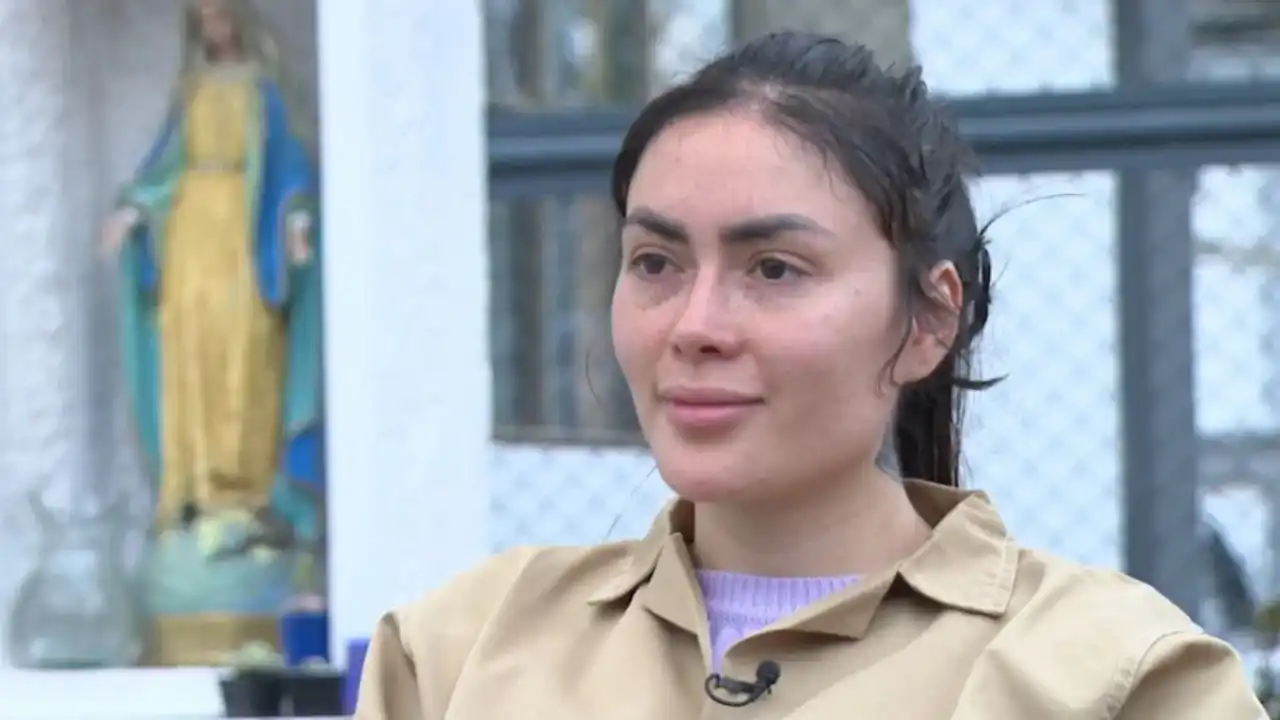
The emotional toll and challenging conditions faced by Daneidy Barrera Rojas, widely known as Epa Colombia, during her incarceration have come to light, as detailed by her legal representative, Wendy Herrera. In a recent interview, Herrera painted a stark picture of Barrera’s state, highlighting significant anxiety, the profound impact of separation from her daughter, and allegations of psychological mistreatment during her detention. The revelations shed light on the human cost of her sentence, stemming from the destruction of TransMilenio property during the 2019 protests, and raise questions about the procedures and environments within the penal system.
Background of the Case: Vandalism and Conviction
Epa Colombia, a prominent social media influencer and entrepreneur, gained notoriety not only for her online persona but also for her involvement in a violent protest that occurred in Bogotá in 2019. During these demonstrations, a TransMilenio station was severely damaged, an act for which Barrera was later identified and held accountable. This incident, broadcast widely across social media and traditional news outlets, became a focal point in discussions about the consequences of public unrest and the destruction of public infrastructure.
Following a lengthy legal process, Barrera was convicted for the damages caused. Her sentence, which began on August 7th, saw her initially transferred to various correctional facilities within Bogotá before her eventual relocation to a penitentiary in Ibagué. The legal proceedings and her subsequent imprisonment have been a subject of considerable public interest, given her significant online following and the controversial nature of the crime.
Chronology of Incarceration and Allegations
Barrera’s journey through the Colombian penal system has been marked by several transfers, each reportedly accompanied by its own set of challenges. Her legal team has been vocal about what they describe as unfair treatment and a lack of adequate support.
-
Initial Detention and Bogotá Facilities: After her conviction, Barrera was initially held in El Buen Pastor prison in Bogotá. This facility, designed for female inmates, is one of the largest in the country. Subsequently, she was moved to the Carabineros Police Station in Bogotá. It was during her time in this latter facility that some of the most concerning allegations of mistreatment arose.
-
Allegations at the Carabineros Station: According to Epa Colombia’s lawyer, Wendy Herrera, the Carabineros station in Bogotá presented a starkly different environment from what might be expected of a correctional facility. Herrera stated that Barrera reported witnessing various activities, including individuals undergoing cosmetic procedures like botox injections and even celebrations such as baptisms and parties, occurring within the premises. This portrayal suggests a potentially irregular or informal environment, raising questions about the security and purpose of the facility for detainees.
-
Restrictions and Separation from Daughter: A central theme in Barrera’s alleged experience is the profound emotional distress caused by the separation from her young daughter. Herrera emphasized that Barrera was subjected to significant restrictions regarding her daughter’s visits. While others at the Carabineros station allegedly engaged in social gatherings, Barrera’s daughter was reportedly denied entry, exacerbating her feelings of isolation and distress. This denial of access to family, especially a young child, is a critical point of contention raised by the defense, highlighting the psychological impact on the incarcerated individual.
-
The Transfer to Ibagué: On August 7th, Barrera was transferred to a penitentiary in Ibagué. Her lawyer claims that Barrera had received prior warnings, dating back to April, about a potential transfer. Herrera has characterized these repeated warnings and the eventual move as a form of "psychological torture" and persecution, asserting that these claims are now under official investigation. The defense argues that the anticipation of the transfer, coupled with the perceived uncertainty and potential disruption, contributed to Barrera’s deteriorating mental state.
-
Current Situation in Ibagué: Currently, Barrera is housed in a facility in Ibagué. Herrera described the current living conditions as sharing a cell with other women. While acknowledging that prison is inherently a difficult environment, the lawyer expressed that Barrera is reportedly safe within the patio to which she has been assigned and that her cellmates are perceived as decent individuals. However, Herrera was clear that Barrera is "not doing well," underscoring the ongoing mental health challenges she faces.
The Weight of Separation: Anxiety and Psychological Distress
The most significant factor contributing to Epa Colombia’s reported suffering, according to her lawyer, is the inability to be with her daughter. Herrera detailed that Barrera has been experiencing "chronic anxiety" and "very strong chronic psychological processes" stemming from this separation. The inability to maintain this fundamental familial bond, especially for a mother, is presented as the primary driver of her deteriorating mental health.
Herrera explicitly stated that Barrera requires "medical accompaniment to overcome this episode," emphasizing the severity of her psychological condition. The defense’s stance suggests that the current conditions of her confinement are not conducive to her recovery and well-being, and that specialized support is urgently needed. The narrative presented by the defense paints a picture of a mother grappling with immense emotional pain, amplified by the circumstances of her incarceration.
Legal and Investigative Ramifications
The allegations of psychological mistreatment and irregular conditions at the Carabineros station, as well as the alleged prior warnings about the transfer, are not being presented by the defense as definitive conclusions but as claims that are now the subject of formal investigations. This distinction is crucial, as it highlights the ongoing legal processes aimed at verifying these accusations.
-
Official Investigations: Wendy Herrera confirmed that the claims made by Barrera regarding her treatment and the circumstances surrounding her transfer are part of official complaints and ongoing investigations. This suggests that Colombian judicial and correctional authorities are examining the validity of these assertions. The outcome of these investigations will be critical in determining whether any procedural irregularities or breaches of inmate rights occurred.
-
Implications for Inmate Welfare: The revelations bring into focus the broader issue of inmate welfare and the psychological impact of incarceration, particularly for mothers. The case of Epa Colombia raises questions about the adequacy of mental health support within the Colombian penal system and the protocols for maintaining family connections for incarcerated individuals. International human rights standards often emphasize the importance of family reunification and psychological care for detainees, and Barrera’s situation, as described by her lawyer, appears to fall short of these ideals.
-
Public Perception and Advocacy: As a public figure, Epa Colombia’s case garners significant attention. The defense’s strategy of publicly detailing her struggles serves to raise awareness and potentially garner public support for a review of her conditions. This approach, while common in high-profile cases, also risks politicizing the legal process. However, the emphasis on her psychological suffering and the need for medical support underscores a plea for humane treatment within the confines of the law.
Broader Impact and Future Considerations
The ongoing situation of Daneidy Barrera Rojas underscores the complex interplay between legal consequences, public perception, and the realities of the correctional system. While her conviction for property damage during a protest is a matter of legal fact, the allegations surrounding her treatment during detention highlight the importance of due process and humane conditions for all inmates.
The Colombian Ministry of Justice and the National Penitentiary and Prison Institute (INPEC) are the relevant authorities responsible for overseeing the prison system. While no official statements have been released in direct response to Herrera’s interview, it is expected that they will address the allegations through official channels as the investigations proceed.
The case of Epa Colombia serves as a stark reminder that incarceration extends beyond the deprivation of liberty; it profoundly impacts the mental and emotional well-being of individuals, especially those with dependents. The emphasis on her need for medical and psychological support by her legal team points towards a potential legal strategy focused on compassionate release or improved conditions of confinement, based on documented mental health deterioration. The coming weeks and months will likely see further developments as these investigations unfold, shedding more light on the circumstances of Epa Colombia’s confinement and the broader implications for the Colombian justice system. The narrative of "un sufrimiento muy grande" (a very great suffering) presented by her lawyer will undoubtedly continue to resonate, prompting a closer examination of the human element within the punitive framework.

0 Comments