
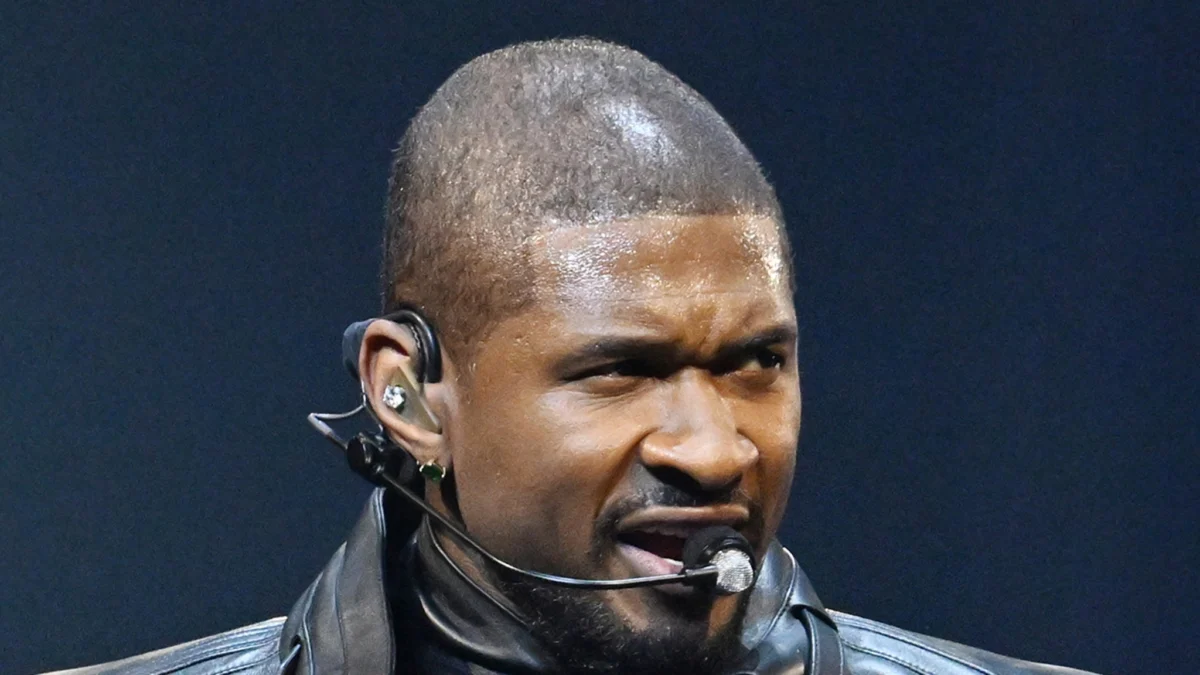
R&B icon Usher Raymond IV experienced an unexpected dip in temperature during a recent performance in Nashville, Tennessee, when a highly anticipated on-stage serenade met with a decidedly cool reception from a fan. The incident, captured on video and widely circulated across social media platforms, saw the celebrated performer halt his intimate interaction after the woman appeared less than enthused by his close-proximity moves, sparking a broader conversation about fan-artist boundaries, performance expectations, and the instant virality of concert moments.
The Nashville Incident: A Detailed Account
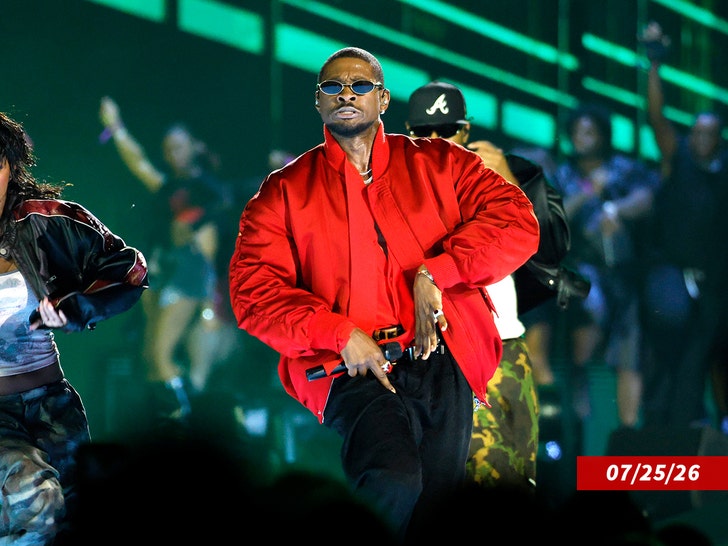
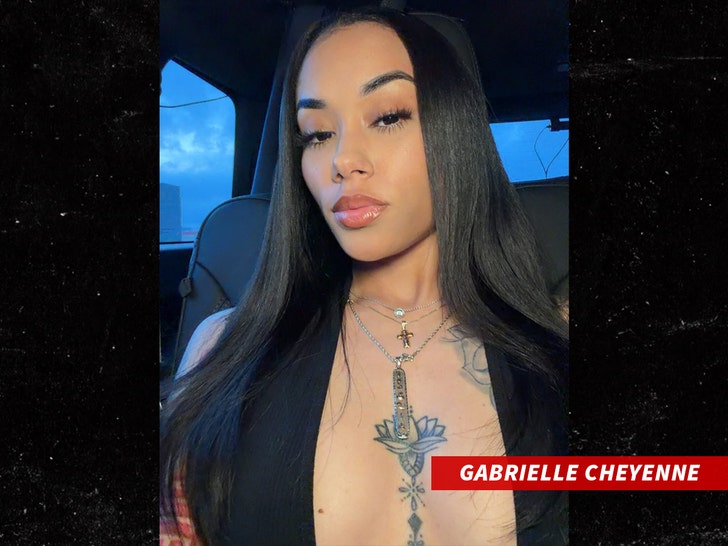
The event transpired on Saturday, July 26, 2026, during Usher’s ongoing tour, which notably features fellow R&B star Chris Brown. As part of his signature performance style, Usher often incorporates direct, personal interactions with audience members, frequently inviting fans onto the stage for what many consider a peak concert experience. On this particular evening in Nashville, a woman identified as Gabrielle Cheyenne found herself in the coveted spotlight.
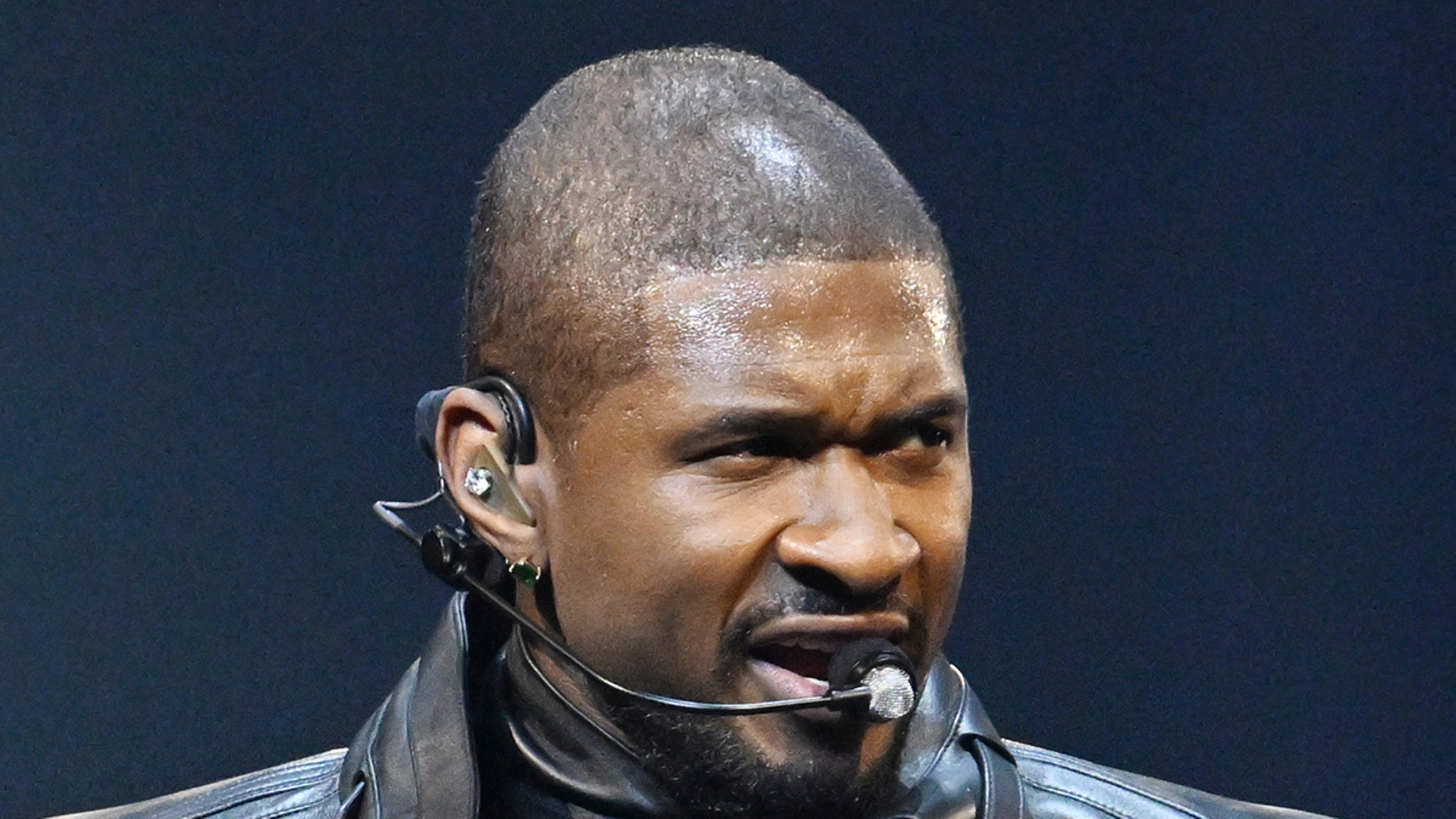
Video footage from the show depicts a shirtless Usher, known for his charismatic stage presence and sensual choreography, leaning over the seated fan. His intention, characteristic of his performances, was to engage in a steamy serenade, intensifying the energy between artist and audience. However, as Usher brought his performance closer, Cheyenne’s reaction was notably reserved. Unlike the fervent enthusiasm often displayed by fans in similar situations, she maintained a composed demeanor, which quickly caught the singer’s attention.
Perceiving a lack of reciprocal engagement, Usher promptly disengaged from the interaction. Addressing the crowd, he stated, "I don’t think she wanna be onstage, y’all," effectively bringing the intimate moment to an abrupt end. The crowd’s reaction, caught between understanding and surprise, underscored the unusual nature of the cessation. The clip of this particular interaction swiftly became a viral sensation, spreading across platforms like Instagram, X (formerly Twitter), and TikTok, where it ignited a flurry of commentary.
Usher’s Performance Ethos and Fan Expectations
Usher has long cultivated an image as a consummate entertainer, celebrated not only for his vocal prowess and dance skills but also for his ability to create an immersive and often highly personal experience for his audience. His Las Vegas residency, for instance, became legendary for its intimate atmosphere and direct fan engagement, often featuring him distributing "Usher bucks" or serenading individual concertgoers in a manner designed to be both thrilling and memorable. This established precedent has created a strong expectation among fans that an on-stage interaction with Usher is a dream come true, a moment to be cherished and reacted to with unbridled excitement.
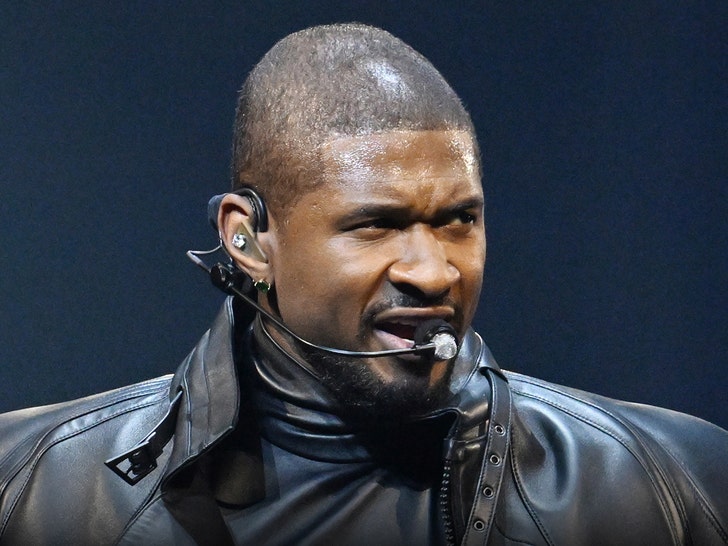
The anticipation surrounding such moments is a significant part of the "Usher experience." Fans often attend his shows hoping for even a fleeting glance or a moment of acknowledgment, let alone a direct serenade. This cultural backdrop largely explains the initial online reaction to Gabrielle Cheyenne’s seemingly muted response. Many viewers, accustomed to the passionate reactions of other fans, perceived her composure as a missed opportunity, or even a rejection of a fantasy scenario that countless others would "happily trade places to experience," as numerous online comments suggested. This sentiment highlights the deeply ingrained fan culture surrounding high-profile artists and the perceived ‘rules’ of engagement during such rare interactions.
Gabrielle Cheyenne’s Perspective: Setting the Record Straight
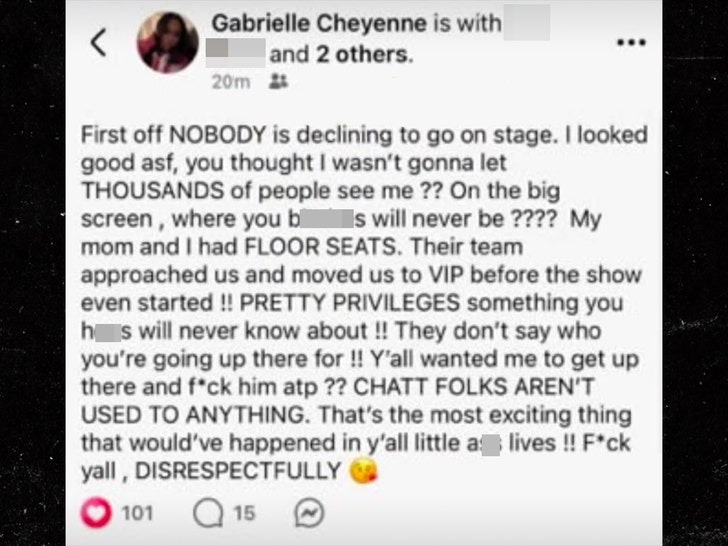
As the video gained traction and the online discourse intensified, Gabrielle Cheyenne herself stepped forward to address the situation and clarify her position. Far from being a reluctant participant, Cheyenne asserted that she had not declined to go onstage and that her presence there was the result of a VIP upgrade orchestrated by Usher’s team. She explained that she and her mother initially held floor seats but were approached and offered an upgrade to a VIP section. Crucially, she noted that she was not explicitly informed which performer she would be joining onstage, a detail that adds significant context given that Usher is currently touring with Chris Brown, another artist known for his dynamic stage presence.
Cheyenne directly challenged critics who "roasted" her for her reaction, emphasizing that she had "no problem letting thousands of people see her looking good on the venue’s jumbotrons." This statement underscores her comfort with being in the spotlight but differentiates it from the expectation of a specific, perhaps overtly physical or emotional, response during the serenade. She further mocked those who seemingly expected her to engage in a "much more physical" interaction with Usher in front of an entire arena, highlighting a potential disconnect between audience expectations and individual comfort levels.
In subsequent social media posts, Gabrielle Cheyenne elaborated on her personality, describing herself as "quiet in real life" and stating that her "attitude only turns ‘nasty’ when she’s provoked." She firmly declared that she would not allow strangers to "bully her over an experience they didn’t get," reiterating that her composure was not a rejection of the spotlight itself, but rather a reflection of her personal boundaries and an unwillingness to perform a reaction that wasn’t genuine for the cameras or the crowd. Her statements injected a crucial, often overlooked, individual perspective into the viral narrative, shifting the conversation from a mere spectacle to a discussion of personal agency and public scrutiny.
The Digital Aftermath and Broader Implications
The Nashville incident, though seemingly minor in the grand scheme of a multi-city tour, quickly evolved into a significant cultural moment, amplified by the pervasive nature of social media. The rapid dissemination of the video clip led to a cascade of reactions, revealing various facets of contemporary fan culture and public discourse.
Initially, a significant portion of online comments expressed disappointment or even anger at Cheyenne’s reaction, viewing it as ungrateful or a wasted opportunity. Memes and jokes quickly emerged, playfully suggesting she had "fumbled the bag" or "didn’t understand the assignment." This immediate public judgment reflects the intense pressure placed on individuals, particularly women, who are brought into the public eye during such high-stakes fan interactions. There is an unspoken expectation to perform a specific type of enthusiasm, one that aligns with the perceived fantasy of interacting with a superstar.
However, as Gabrielle Cheyenne’s explanation gained traction, a counter-narrative began to emerge. Many social media users and commentators shifted their focus to discussions surrounding consent, personal boundaries, and the right to react authentically, even in a highly performative public setting. Questions were raised about the implicit expectations placed on fans who are brought onstage and whether their presence automatically implies consent for any level of physical or emotional interaction. This aspect of the discourse touched upon broader societal conversations about bodily autonomy and the pressures to conform to public expectations, especially in the age of viral content.
The incident also highlights the double-edged sword of social media for artists. While platforms provide unparalleled opportunities for connection and promotion, they also mean that every micro-moment, every perceived misstep or unexpected reaction, can be instantly broadcast, dissected, and debated globally. For Usher, an artist renowned for his smooth, fan-friendly interactions, this particular moment presented a rare instance where his signature move didn’t land as intended, leading to an awkward, albeit brief, interruption in his performance flow.
Evolving Concert Culture and Fan-Artist Dynamics
The "ice-cold reaction" in Nashville serves as a compelling case study in the evolving dynamics between performers and their audiences in the 21st century. Concerts are no longer just about listening to music; they are immersive, multi-sensory experiences, often designed with viral moments in mind. Artists strategically incorporate fan interactions to create buzz, build community, and make each show unique. However, this intentional blurring of the lines between performance and reality also introduces complexities.
The incident underscores the importance of clear, albeit often unspoken, boundaries in live performance. While Usher’s actions were clearly part of his established stage persona and not intended to cause discomfort, the fan’s right to her own reaction, free from public condemnation, became a central point of contention. It prompts consideration of how artists and their teams can better manage these interactions to ensure genuine comfort and consent from participants, even within the high-energy environment of a concert.
Furthermore, the episode reinforces the power of individual narratives in shaping public perception. Had Gabrielle Cheyenne not come forward with her explanation, the narrative might have remained one-sided, painting her as an ungrateful or awkward fan. Her willingness to share her perspective not only clarified the events but also empowered a discussion about judging others based on incomplete information and the inherent pressures of public visibility.
In conclusion, Usher’s Nashville serenade, while brief and seemingly minor, resonated far beyond the concert hall. It became a microcosm for larger discussions about celebrity, fan culture, digital scrutiny, and the nuanced interplay of consent and expectation in public performance. As artists continue to innovate in how they engage with their audiences, such moments serve as important reminders of the complex human elements at play and the ever-present need for empathy and understanding in an increasingly interconnected world.

0 Comments