

The recent broadcast of "Valle Salvaje" chapters, spanning from July 20th to July 24th, has marked a critical turning point for several of the series’ overarching narratives. The dire economic situation facing the Casa Grande has compelled Rafael to deliver devastating news to his family, while Francisco’s unexpected departure has left Pepa, Martín, and Amadeo in a state of profound distress. Concurrently, Rosalía takes a significant step forward in her relentless pursuit of truth, directly confronting the midwives implicated in the disappearance of her infant daughter.
Rafael Confirms the Casa Grande’s Deepening Economic Crisis
The precarious financial standing of the Gálvez de Aguirre family has officially transitioned from a hushed concern to a publicly acknowledged crisis. In a somber family gathering, Rafael announced the stark reality: the coffers of the palatial estate are virtually depleted. This revelation necessitates a fundamental shift in the family’s lifestyle, demanding immediate adaptation to a drastically altered economic landscape. The immediate repercussions of this announcement are palpable throughout the estate. Provisions in the kitchens have become scarce, with Amadeo explaining that the supply cart has prioritized deliveries to more affluent households.
Adding to the financial strain, José Luis has firmly rejected an offer from Dámaso to purchase the estate’s harvest. This decision underscores a growing rift within the family, particularly between father and son, regarding how best to navigate the impending economic hardship. Don Hernando, attempting to alleviate the immediate pressure, proposed a loan to Rafael, aiming to mitigate the crisis. However, Rafael adamantly refused this offer of assistance, signaling a deep-seated pride or perhaps a reluctance to become further indebted.
Simultaneously, Rafael has made a definitive decision regarding Dámaso’s offer for the harvest. This crucial choice, the specifics of which are yet to be fully disclosed, has reignited tensions between Rafael and his son, José Luis, indicating divergent strategies for survival and prosperity. The family’s economic woes, exacerbated by these internal disagreements, suggest a period of significant uncertainty and potential upheaval for the Gálvez de Aguirre dynasty. The historical context of such grand estates often involves periods of economic boom and bust, with families relying on agricultural output, trade, and strategic financial management. The current crisis at Casa Grande appears to be a culmination of factors, possibly including poor financial planning, external market fluctuations, or unforeseen expenditures, leading to the current state of near insolvency.
Francisco Abandons the Valley, Leaving Pepa and Martín Devastated
The unsettling disappearance of Francisco has been swiftly explained through a poignant letter addressed to Amadeo. In this communication, Francisco unequivocally states his decision to leave the Valley. This news has plunged Pepa and Martín into deep despair, as they absorb the painful farewell penned by Francisco. Amadeo, upon learning of his son’s departure, quickly assigns blame to both Pepa and Martín, holding them accountable for the escalating conflicts that he believes ultimately drove Francisco to make such a drastic decision. This familial discord, rooted in unresolved tensions and past grievances, has now resulted in the physical separation of a family unit, leaving a void and a heavy burden of guilt.
Pepa, in particular, is grappling with an intensified sense of culpability. This emotional turmoil comes at a particularly sensitive time, as she had begun to rekindle her hopes and excitement regarding her impending wedding. The prospect of a future that once seemed bright has now been overshadowed by the pain of Francisco’s departure and her perceived role in it. The narrative surrounding Francisco’s exit suggests a deeper underlying issue of strained relationships and an inability to reconcile differing desires and expectations within the family. Historically, young men in such settings might have felt pressured by familial obligations or sought independence, but Francisco’s departure appears to be driven by interpersonal conflict rather than a simple desire for self-discovery.
Rosalía Confronts the Midwives, Demanding Answers
The investigation into the alleged theft of Rosalía’s infant daughter continues to progress, albeit with significant emotional and confrontational undertones. Luisa, upholding her promise to assist Rosalía, has accompanied her back to the remote cabin, setting the stage for a direct confrontation with Petra and Pura, the midwives who were present at Rosalía’s childbirth. For the first time, Rosalía stands face-to-face with the women she believes were involved in the disappearance of her child, demanding a full account of the events.
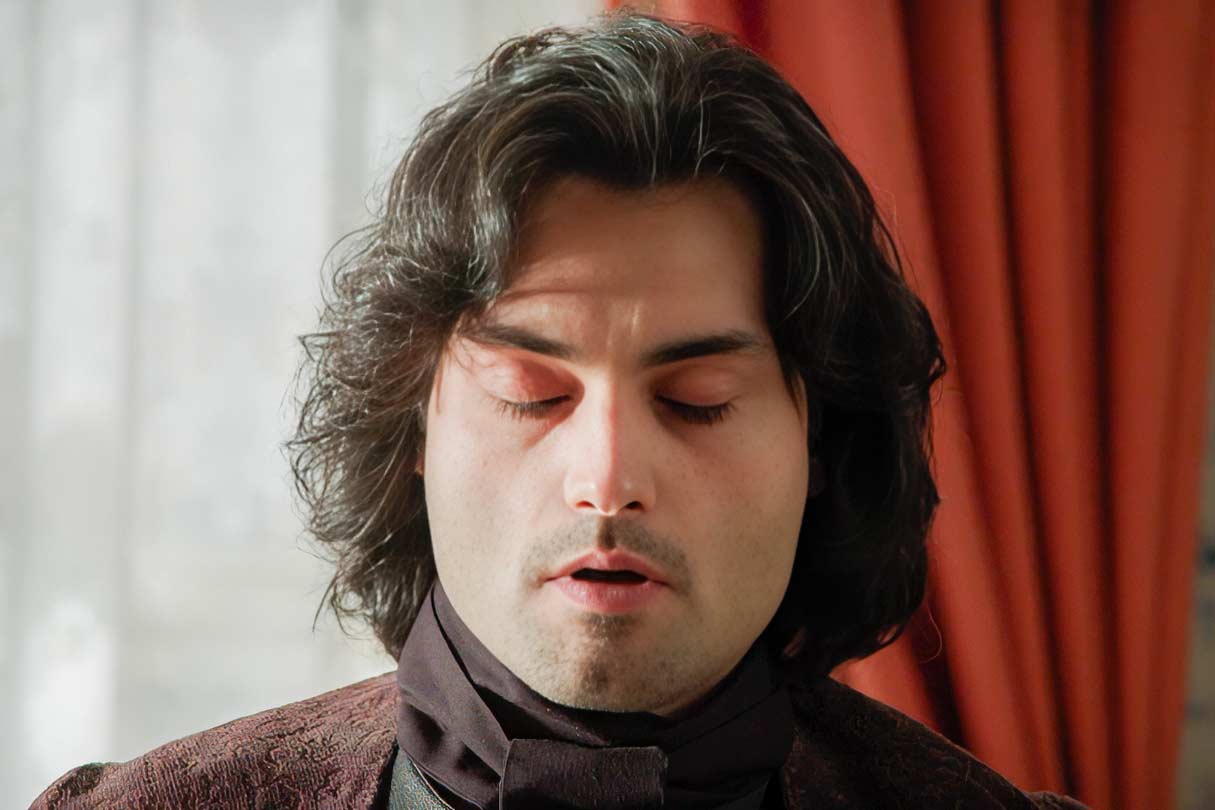
Pura vehemently denies any wrongdoing and issues a stern warning of her intention to alert the Santa Hermandad, a local constabulary, should Rosalía persist in her accusations. However, an undercurrent of fear begins to permeate the demeanor of both midwives, suggesting that their stoic facade may be cracking. Petra, visibly wavering, contemplates confessing the truth. Yet, Pura manages to restrain her, reminding Petra of the severe repercussions that would inevitably follow if the full story were to be brought to light. This internal conflict among the midwives highlights the potential gravity of the secret they are harboring and the lengths to which they might go to protect themselves.
Later, Rosalía articulates a compelling theory, pointing a finger directly at Rafael as a potential architect of her daughter’s abduction. This startling accusation leaves Luisa and Bárbara in a state of bewilderment, questioning the veracity and implications of Rosalía’s suspicions. The historical context of infant abduction in rural or isolated communities can often be linked to social pressures, clandestine adoptions, or even attempts to secure inheritances or manipulate family lines. Rosalía’s accusation against Rafael, a figure of authority within the Casa Grande, suggests a complex web of intrigue and potential power plays that extend far beyond the midwives themselves.
Mercedes Confirms Suspicions Regarding Dámaso
Victoria’s persistent warnings have begun to yield results, as Mercedes has now confirmed that Dámaso has indeed been withholding crucial information from her. This realization has led to an emotional breakdown for Mercedes, who finds an unexpected source of support in Victoria, someone she might have previously considered an adversary. Victoria attempts to draw parallels between their situations, suggesting that a unified front could be beneficial. However, Mercedes remains guarded, initially resisting any comparison to Victoria and maintaining a degree of distance.
Despite her reservations, Mercedes is gradually lowering her defenses, her doubts about Dámaso’s integrity growing with each passing moment. The implications of Mercedes’ discovery are significant. If Dámaso has been deceitful, it could expose a wider conspiracy or a pattern of manipulation that affects not only Mercedes but potentially others within their social circle. The act of withholding information in such a context often serves to maintain control, conceal illicit activities, or protect one’s reputation. The burgeoning alliance between Mercedes and Victoria, born out of shared suspicion, could prove to be a formidable force against Dámaso’s machinations.
Braulio and Manuela Take a Significant Step Forward
The romantic relationship between Braulio and Manuela continues to deepen, marked by a pivotal moment of intimacy. Following Alejo’s revelation of Braulio’s true feelings, Manuela takes the initiative and surprises Braulio with their first kiss. Later, Manuela confesses her emotional response to a poem she received, unaware that Braulio had commissioned Enriqueta to write it as a means to express his affections and help him overcome his shyness. Despite acknowledging to Alejo that it was the most memorable kiss of his life, Braulio finds himself at a loss regarding how to progress their relationship further, much to the frustration of his mother.
The narrative surrounding Braulio and Manuela highlights the challenges of navigating nascent romantic relationships, particularly for individuals who are hesitant or inexperienced in expressing their emotions. The use of a commissioned poem, while a romantic gesture, also points to Braulio’s internal conflict and his struggle to communicate directly. Manuela’s receptiveness and initiative, however, suggest a strong potential for their relationship to flourish, provided Braulio can overcome his reservations.
Atanasio and Matilde Face a Crisis Fueled by Nicolás
The presence of Nicolás has begun to cast a dark shadow over the marriage of Atanasio and Matilde, creating significant marital strain. After an unexplained overnight absence and a forgotten important engagement with his wife, Atanasio’s actions have deeply disappointed Matilde. Her suspicions are further fueled when she discovers Nicolás surreptitiously searching through her personal belongings. This unsettling discovery leads Matilde to confide in Mercedes, expressing a profound lack of trust in Nicolás. The tension between Atanasio and Matilde escalates, culminating in a heated argument. Throughout these developments, Nicolás urges caution and insists that the business venture they are planning not be revealed at this time.
The clandestine activities surrounding Nicolás and his interactions with Atanasio suggest a potential scheme or partnership that carries significant risk. Matilde’s growing distrust and Mercedes’ own suspicions create a volatile environment where the truth about Nicolás’s intentions and his alliance with Atanasio is likely to be exposed. The historical context of such clandestine business dealings often involves attempts to gain an unfair advantage, circumvent regulations, or engage in morally questionable practices. The unfolding drama between Atanasio, Matilde, and Nicolás points towards a confrontation that could have far-reaching consequences for all involved.

0 Comments