
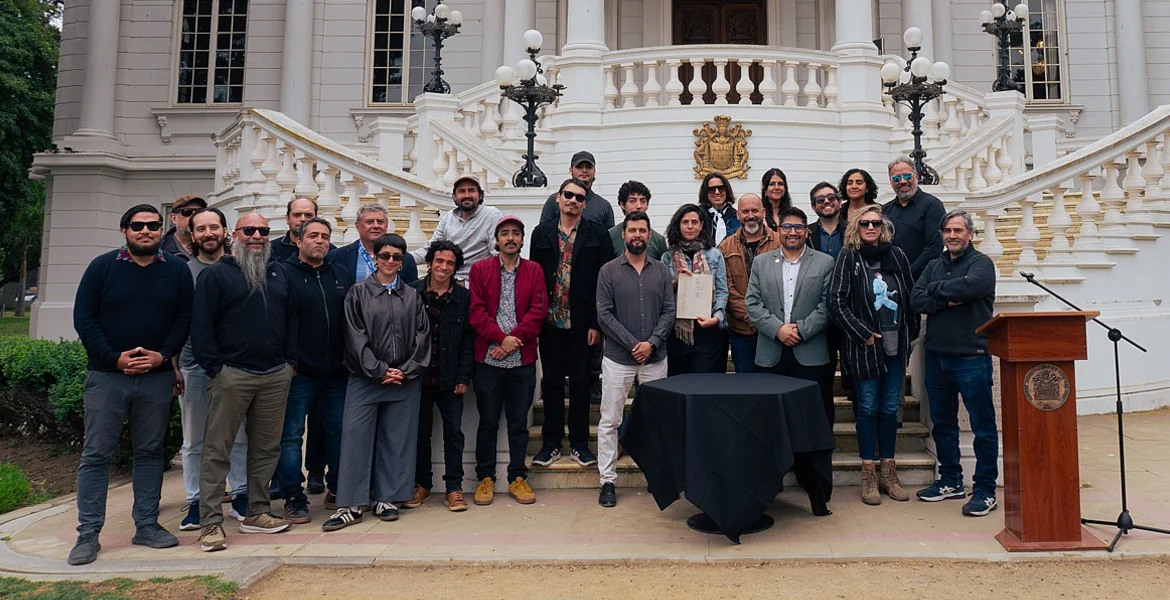
The Viña del Mar International Film Festival, widely recognized by its acronym FICVIÑA, has officially launched its calls for entries for the 2025 Industry section. This vital component of the festival is designed to serve as a cornerstone for the professionalization and internationalization of regional cinema. This year’s programming features three distinct initiatives—wip Latam Lab, Lab Distribuye, and Lab Documenta—each tailored to address specific bottlenecks within the audiovisual value chain, from early development and post-production to final distribution and international circulation. By providing a platform for both emerging and established filmmakers, FICVIÑA continues its historical mission of strengthening the cultural and economic fabric of Latin American cinema.
The call for entries is currently open to filmmakers across Chile and the broader Latin American region, with a final submission deadline set for August 20, 2024. These labs are structured to provide more than just financial or technical support; they offer a specialized environment where creators can engage with industry experts, refine their narratives, and build the networking foundations necessary to navigate an increasingly competitive global market. As the film industry continues to recover and adapt to post-pandemic exhibition models, the role of such industry labs has become paramount in ensuring that regional stories reach their intended audiences.
The Pillars of FICVIÑA Industry: A Triple-Track Approach to Development
The 2025 Industry section is divided into three specialized laboratories, each targeting a different stage of the filmmaking process or a specific format. This strategic division allows the festival to address the diverse needs of the contemporary audiovisual landscape.
wip Latam Lab: Bridging the Gap to Completion
The wip Latam Lab stands as the flagship initiative of the Industry section and is notably the only call open to projects from the entire Latin American region. This laboratory is specifically designed for fiction and documentary feature films that have reached an advanced stage of post-production—commonly referred to as "Work-in-Progress" (WIP). The primary objective is to assist filmmakers in crossing the finish line, a stage where many independent productions often stall due to a lack of resources for color grading, sound mixing, or legal clearances.
For the 2025 cycle, the wip Latam Lab will select a total of six films. In a move to bolster domestic production while maintaining regional integration, the selection will consist of four Chilean projects and two projects from other Latin American nations. Selected participants will gain access to a comprehensive suite of professional services, including specialized advisory sessions, private screenings for industry experts, and curated networking opportunities. These activities are designed to help directors and producers secure the final technical requirements for their films, find international sales agents, and develop a robust festival strategy.
Lab Distribuye: Maximizing the Reach of Short Films
While feature films often dominate the headlines, short films remain the essential testing ground for new talent and innovative storytelling. However, short-form content faces significant hurdles in terms of commercial viability and distribution. To address this, FICVIÑA has introduced Lab Distribuye, a space dedicated to strengthening the distribution and circulation strategies of Chilean short films, both fiction and documentary.
This initiative will select five projects that are either finished or in the final stages of post-production. The focus here is not on the creative assembly of the film, but on its "life after completion." Through specialized mentorship, the lab guides filmmakers in navigating the complex world of international film festivals, markets, sales agents, and digital exhibition platforms. By treating the short film as a strategic asset rather than just a portfolio piece, Lab Distribuye aims to elevate the profile of Chilean creators on the global stage.
Lab Documenta: Nurturing the Next Generation of Non-Fiction
Chile has long been a powerhouse in the world of documentary filmmaking, producing world-renowned directors like Patricio Guzmán and Maite Alberdi. To sustain this legacy, Lab Documenta focuses on the development of Chilean debut documentary features (óperas primas). This lab recognizes that the first feature-length documentary is often the most difficult to finance and structure.
Four projects in the development stage will be selected to participate in an intensive program of mentorship and project analysis. Participants will have the opportunity to present their proposals to a panel of audiovisual professionals, receiving critical feedback that can help them secure co-production deals or international grants. By intervening at the development stage, Lab Documenta ensures that the intellectual and creative foundations of these films are solid before they move into the costly production phase.
Historical Context: FICVIÑA and the "New Latin American Cinema"
To understand the significance of these calls, one must look at the historical weight of the Viña del Mar International Film Festival. Founded in 1962 by Aldo Francia and the Cine Club Viña del Mar, the festival was a pivotal site for the birth of the "Nuevo Cine Latinoamericano" (New Latin American Cinema) movement. In the late 1960s, it served as a meeting point for filmmakers who sought to use cinema as a tool for social change and cultural identity, moving away from the commercial formulas of Hollywood.
After a period of hiatus during the military dictatorship in Chile, the festival was revived and has since reclaimed its position as one of the most prestigious cinematic events in the Southern Cone. The Industry section is a relatively modern evolution of this legacy, reflecting a shift from purely ideological discussions to the practicalities of building a sustainable film industry. In the 21st century, the challenge for Latin American cinema is no longer just "making" films, but ensuring they are "seen" in an era dominated by global streaming giants and a shrinking theatrical window for independent art-house cinema.
Supporting Data and the Economic Reality of Regional Cinema
The necessity for labs like those offered by FICVIÑA is underscored by current economic data regarding film production in Latin America. According to recent industry reports, while film production in the region has seen a quantitative increase over the last decade—largely due to tax incentive laws in countries like Chile, Colombia, and Brazil—the "circulation gap" remains a significant issue.
Studies indicate that less than 15% of films produced in Latin America find theatrical distribution outside of their country of origin. Furthermore, the "post-production bottleneck" is a recurring theme; many films spend two to three years in the editing room because they lack the final 10-20% of their budget required for technical completion. By selecting six WIP projects and four development projects, FICVIÑA is directly intervening in these critical phases, providing the professional validation that often triggers further investment.
The focus on short films in Lab Distribuye also aligns with market trends. With the rise of platforms like MUBI, Criterion Channel, and specialized short-film distributors, there is a growing niche market for high-quality short-form content. However, without a professionalized distribution strategy, many Chilean shorts remain confined to local screenings, missing out on the international revenue and exposure that could fund the director’s next project.
Inferred Industry Reactions and Strategic Implications
While official statements from the festival board emphasize the "commitment to regional identity," industry analysts suggest that these labs are also a response to the changing landscape of international co-production. "Industry sections at festivals like FICVIÑA are no longer optional extras; they are the engine room of the festival," notes an anonymous film consultant familiar with the Southern Cone market. "For a film to succeed today, it needs a ‘pedigree’ that starts at the lab level. Winning a WIP award or participating in a prestigious development lab is a signal to the rest of the world that this project is worth watching."
Furthermore, the emphasis on Chilean projects in two of the three labs reflects a strategic push to maintain the momentum of the "Chilean Audiovisual Boom." Following the Academy Award wins for A Fantastic Woman and Bear Story, and the recent success of The Eternal Memory, there is a heightened global interest in Chilean narratives. FICVIÑA acts as a filter, identifying the most promising local projects and preparing them for the international circuit (San Sebastián, Berlin, Cannes), where many of these projects will eventually seek their world premieres.
Chronology and the Path to the 2025 Festival
The opening of these calls marks the beginning of a rigorous timeline that will culminate during the festival dates in 2025. The process is structured as follows:
- Call for Entries (Current Phase): Open until August 20, 2024. This is the period for filmmakers to submit their dossiers, rough cuts, and distribution plans via the official FICVIÑA website.
- Selection Period: Following the deadline, a committee of industry professionals will evaluate the submissions based on criteria such as artistic merit, international potential, and the feasibility of the project’s goals.
- Announcement of Selected Projects: Typically occurring in late 2024, the selected teams will be notified and paired with mentors or advisors.
- Lab Sessions: The intensive advisory and networking sessions will take place, often in a hybrid format or in person during the festival week.
- Pitching and Screenings: The wip Latam Lab will hold its private screenings for invited industry guests, while development projects will undergo pitching sessions.
- Follow-up and Circulation: Post-festival, the Industry section often provides tracking and support to see how the projects progress toward their premieres.
Broad Impact on the Audiovisual Ecosystem
The broader implications of FICVIÑA Industry extend beyond the individual filmmakers. By fostering a concentrated hub of professional activity in Viña del Mar, the festival contributes to the decentralized growth of the Chilean film industry, which is traditionally centered in Santiago. This geographic diversity encourages a wider range of stories and perspectives, particularly in the documentary sector where regional voices are vital.
Moreover, the collaborative nature of the wip Latam Lab—bringing together Chileans with their counterparts from Argentina, Mexico, Brazil, and elsewhere—strengthens the concept of a "unified Latin American cinema." In a global market, regional blocks often have more bargaining power than individual countries. By facilitating these cross-border alliances, FICVIÑA ensures that Latin American cinema remains a relevant and cohesive force in the international cultural dialogue.
As the August 20 deadline approaches, the regional filmmaking community looks toward Viña del Mar not just as a seaside resort hosting a glamorous event, but as a critical laboratory where the future of Latin American storytelling is being forged. The 2025 edition of FICVIÑA Industry promises to be a vital barometer for the health and ambition of the region’s cinematic output.

0 Comments