
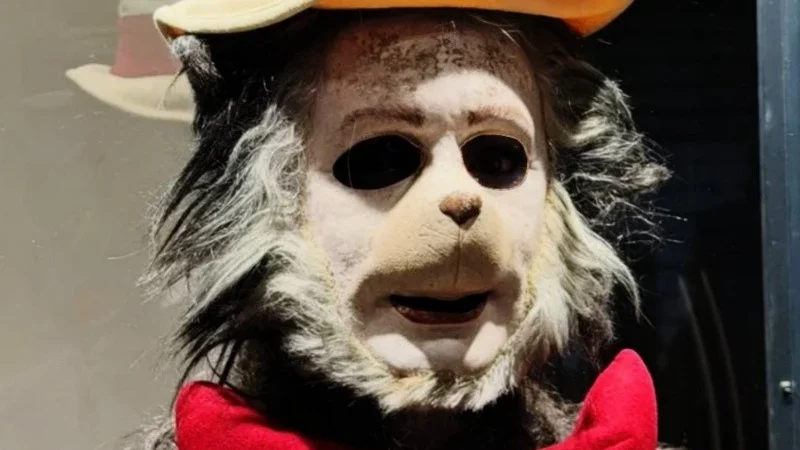
The digital landscape was recently captivated by streamer and influencer Natalie Reynolds, known for her content on the Kick platform, following her acquisition of the original "The Cat in the Hat" costume worn by actor Mike Myers in the critically panned 2003 film adaptation. Reynolds purchased the cinematic prop for approximately $25,000 and subsequently made the unsubstantiated claim that Myers’ soul had become trapped within the garment, a theory that has since generated widespread discussion and skepticism across social media platforms. This incident, while sensationalized by Reynolds, inadvertently connected with a much larger and more concerning trend involving the misuse of artificial intelligence to generate disturbing imagery and propagate hoaxes, leading to real-world responses from law enforcement and school authorities.
The Controversial Acquisition and Its Context
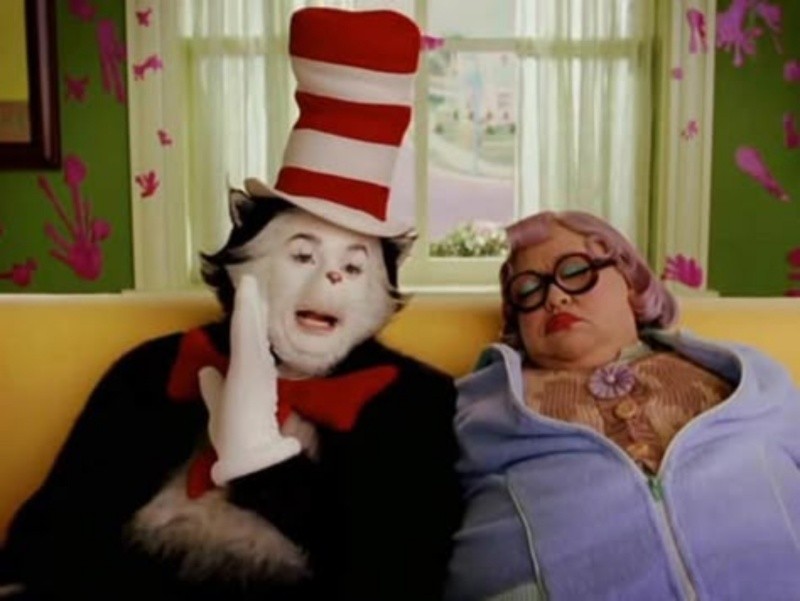
Natalie Reynolds, a figure accustomed to generating online controversy, once again found herself at the center of a viral storm after securing a piece of cinematic history. The prop in question is the distinctive red-and-white striped hat, cat ears, and full-body suit famously donned by Mike Myers for his portrayal of the titular character in the 2003 live-action adaptation of Dr. Seuss’s beloved children’s book, The Cat in the Hat. This film, upon its release, was met with overwhelmingly negative reviews from critics and audiences alike, largely due to its departure from the source material’s whimsical charm and its embrace of a more crude and adult-oriented humor. Despite its critical failure, the film has, over time, achieved a certain cult status for its sheer audacity and unique visual style, making its props potentially valuable in the memorabilia market.
Reynolds acquired the costume through an auction organized by Propstore, a renowned auction house specializing in film and television memorabilia. While initial reports indicated a winning bid of $20,000, Reynolds later clarified that the total sum paid for the complete ensemble was closer to $25,000. This price point fell within Propstore’s estimated range of $12,000 to $24,000, underscoring the perceived market value of such a recognizable, albeit controversial, item. The auction attracted eight distinct bids before the final sale on August 26, highlighting competitive interest in the prop.
A Deep Dive into "The Cat in the Hat" (2003)
To fully appreciate the context of this acquisition, it’s essential to revisit the 2003 film itself. Dr. Seuss’s "The Cat in the Hat," published in 1957, is a cornerstone of children’s literature, celebrated for its playful rhymes, imaginative storytelling, and the titular character’s mischievous yet ultimately benign nature. The book was instrumental in revolutionizing early childhood reading by offering an engaging alternative to traditional primers. Given its iconic status, a live-action adaptation carried immense expectations.
Universal Pictures and DreamWorks Pictures, following the commercial success of the 2000 live-action How the Grinch Stole Christmas starring Jim Carrey, embarked on "The Cat in the Hat" with Mike Myers in the lead role. Myers, fresh off his Austin Powers and Shrek successes, was a high-profile choice, expected to bring his comedic prowess to the character. However, the film diverged significantly from the book’s spirit. Directed by Bo Welch and produced by Brian Grazer, it introduced a convoluted plot, mature jokes, and a visually outlandish aesthetic that many found unsettling rather than charming. Critics widely lambasted the film for its crude humor, garish production design, and a performance from Myers that some described as over-the-top and unfaithful to Dr. Seuss’s vision. Rotten Tomatoes, a prominent review aggregator, records a dismal approval rating for the film, reflecting its critical failure. The film’s poor reception reportedly led Dr. Seuss’s widow, Audrey Geisel, to declare that no more live-action adaptations of her husband’s works would be produced, a decision that has largely held true with subsequent adaptations opting for animated formats. This history imbues the costume with a dual significance: a piece of cinematic history tied to a major star, yet also a symbol of a highly divisive and critically panned production.
The Value of Cinematic Memorabilia
The market for film and television memorabilia has steadily grown into a lucrative niche, driven by collectors, enthusiasts, and investors. Items like costumes, props, and set pieces from iconic productions often fetch substantial sums at auction, with prices determined by factors such as the item’s prominence in the film, the fame of the actor who used it, its condition, and the overall cultural impact of the production. For example, Dorothy’s ruby slippers from The Wizard of Oz have commanded millions, and Darth Vader’s helmet from Star Wars has sold for hundreds of thousands.

Propstore, in particular, is known for authenticating and cataloging these items, providing detailed descriptions of their condition and provenance. The Cat in the Hat costume, according to Propstore’s listing, displayed visible signs of wear consistent with its use during filming. The mask showed dirt accumulation, and the synthetic hair was matted, indicative of practical effects and repeated use. Crucially, the costume retained an internal label identifying it as "Mike Myers #1," a vital detail that confirms its authenticity and direct association with the lead actor. This authentication adds significantly to its value as a collector’s item, irrespective of the film’s critical standing. The $25,000 price tag, while notable, is a testament to the enduring appeal of Hollywood artifacts, even those from less-than-stellar cinematic ventures.
Natalie Reynolds: Influencer and Provocateur
Natalie Reynolds operates within the dynamic and often controversial world of online streaming and influencing, primarily on the Kick platform. Kick, which emerged as a competitor to Twitch, has gained traction by offering more lenient content policies and higher revenue splits for streamers, attracting a diverse range of creators, including some known for pushing boundaries. Reynolds has cultivated a persona around provocative content and generating online discussion, making her acquisition of the Cat in the Hat costume a strategic move that aligns perfectly with her brand.
Upon receiving the costume, Reynolds amplified its notoriety by introducing a supernatural narrative. Prior to its arrival, she posted a video claiming that a previous, unnamed owner had warned her not to look directly into the costume’s eyes. She offered no evidence for this alleged warning or the identity of this mysterious prior owner. The most sensational claim followed: that the soul of Mike Myers was "apparently trapped" within the costume. After placing the prop in a glass display case in her home, she further described it as "one of the most haunted props in cinema history." In a subsequent video, Reynolds claimed to discern "eyes" behind the seemingly empty eye sockets of the mask, fueling the paranormal speculation. This tactic effectively generated significant engagement, views, and media attention, demonstrating the potent combination of celebrity association, a dash of the supernatural, and an influencer’s platform.
Unraveling the Paranormal Claim
The core of Reynolds’s viral narrative—the entrapment of Mike Myers’ soul—is immediately confronted by a fundamental factual contradiction: Mike Myers is unequivocally alive. The acclaimed actor, now 63 years old, continues to make public appearances and remains active in the entertainment industry. Notably, he was reported in June 2026 to be involved in discussions regarding a new installment of his iconic Austin Powers franchise, further confirming his vitality and ongoing career. Such verifiable information directly refutes any claim of his soul being confined to an inanimate object.
Skeptical observers and social media users quickly pointed out the logical inconsistencies. What Reynolds identified as "eyes" within the mask could, more prosaically, be attributed to the internal structural components designed to maintain the costume’s shape and support the headpiece. The human brain is prone to pareidolia, the psychological phenomenon of perceiving familiar patterns, such as faces, in random or ambiguous stimuli. This natural tendency, combined with the power of suggestion, can easily lead to misinterpretations, especially when primed by a narrative of paranormal activity. The Propstore auction catalog, a document focused on factual details and authenticity, made no mention of any supernatural properties or warnings associated with the costume, further undermining Reynolds’s claims. Without any credible evidence, the assertion of a trapped soul remains firmly in the realm of social media theatrics rather than verifiable fact.
The Digital Underbelly: AI, Hoaxes, and Viral Fear
Reynolds’s narrative, while self-generated, inadvertently tapped into a pre-existing and much wider digital phenomenon surrounding the Cat in the Hat costume. Prior to her purchase, images of the prop circulated online, particularly on platforms like X (formerly Twitter), sparking a wave of "creepypasta"-style posts. Many of these featured unsettling, artificially generated images and videos of the Cat in the Hat character seemingly "meroding" through suburban neighborhoods, schools, and other public spaces at night. These images, often created using generative artificial intelligence tools, distorted the beloved children’s character into a sinister, ominous figure.
The rise of accessible generative AI has democratized content creation, allowing individuals to produce highly realistic, yet entirely fabricated, images and videos with unprecedented ease. This capability has fueled a new generation of urban legends and hoaxes, where the line between digital fiction and perceived reality becomes increasingly blurred. The "Cat in the Hat" trend exemplifies this, leveraging the unsettling effect of twisting an innocent childhood icon into a source of fear. The virality of such content is often amplified by social media algorithms, which prioritize engagement, regardless of the content’s veracity or potential for harm. The sheer volume and realistic nature of these AI-generated images led to a point where some local police departments were compelled to issue public statements debunking the sightings, clarifying that the images did not represent real-world events or threats.
Law Enforcement Responds to AI-Generated Threats
The proliferation of AI-generated content, especially that which simulates threats or causes public alarm, has presented significant challenges for law enforcement and educational institutions. The "Cat in the Hat" trend escalated beyond mere online entertainment when some posts began to specifically name schools, communities, or students, occasionally employing language that could be interpreted as menacing. This shift from general creepypasta to targeted, quasi-threats necessitated an official response.
School and police authorities across various U.S. states reacted with heightened vigilance and public advisories. In Grand Junction, Colorado, the situation led to a tangible legal consequence: a 14-year-old high school student was apprehended after police connected him to a post suggesting the appearance of a person dressed as the Cat in the Hat at West Middle School. The Grand Junction Police Department emphasized that such publications were intended to provoke alarm and fear. Although investigators determined there was no credible threat to the school, the student was charged with interference with educational personnel and harassment, underscoring the legal ramifications of disseminating false alarms. He was subsequently released into parental custody. In response to the incident, police presence was reinforced at both West Middle School and Grand Junction High School as a precautionary measure.
Other state authorities also took notice. The Tennessee Office of Homeland Security reported that its Threat Assessment Center was actively monitoring posts related to the "Cat in the Hat" trend targeting schools and students, categorizing much of the material as "disturbing AI-generated videos and images." In Arkansas, school districts in communities like Carlisle and Pocahontas similarly responded to content linked to the trend, with school officials noting that some videos could be interpreted as potential threats of violence. The Louisville Metropolitan Police Department, while not identifying any credible threats specific to their jurisdiction, confirmed that they were continuously reviewing available information and urged students and families to report any concerning messages or behaviors without contributing to their further dissemination.
Legal and Societal Implications
The "Cat in the Hat" AI trend highlights a growing problem for public safety and legal frameworks in the digital age. While no actual incidents of violence or direct harm have been definitively linked to this specific trend, authorities have been clear that participating in the creation or dissemination of perceived threats, even if fabricated, can carry serious legal consequences. Charges such as harassment, interference with educational functions, inciting panic, or even making terroristic threats could apply, depending on the jurisdiction and the specific content of the posts. This creates a complex environment where online pranks or attempts at viral notoriety can inadvertently lead to criminal charges and real-world disruptions.
The broader societal implications are multifaceted. The ease with which AI can generate convincing, yet false, narratives poses a challenge to media literacy and critical thinking skills. It also strains emergency services, diverting resources to investigate hoaxes that could otherwise be used for genuine threats. Furthermore, the constant exposure to unsettling, AI-generated content can desensitize individuals to real dangers or, conversely, foster an environment of undue anxiety and distrust. This incident serves as a stark reminder of the evolving nature of information warfare and the responsibility shared by content creators, social media platforms, and users to critically evaluate and responsibly interact with digital content.
Conclusion: The Blurring Lines of Digital Reality
The journey of the "The Cat in the Hat" costume, from a critically lambasted film prop to a focal point of online paranormal claims and, ultimately, a symbol within a broader trend of AI-generated hoaxes, encapsulates many of the complexities of the contemporary digital landscape. What began as a high-value acquisition in the cinematic memorabilia market, driven by a celebrity influencer’s quest for viral content, quickly merged with a pervasive, algorithm-fueled narrative of fear.
This confluence underscores the blurring lines between entertainment, fabricated reality, and actual public safety concerns. Natalie Reynolds’s sensationalized claims, though easily debunked, illustrate the enduring appeal of the supernatural and the effectiveness of influencer marketing in generating engagement. Simultaneously, the response from law enforcement and educational institutions to the AI-generated "Cat in the Hat" sightings reveals the urgent need for robust strategies to combat the spread of misinformation and malicious content in an era where artificial intelligence can conjure convincing illusions with minimal effort. The incident serves as a compelling case study on the intersection of pop culture, digital influence, and the profound, sometimes unsettling, impact of rapidly advancing technology on our perception of reality and public order.

0 Comments