
 Jia Lissa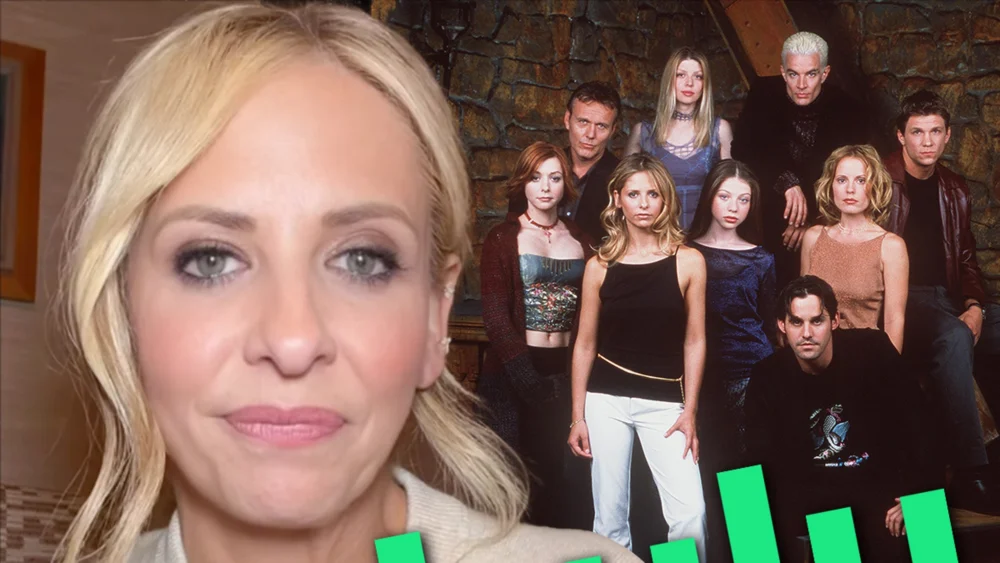
The highly anticipated revival of the beloved supernatural drama, "Buffy the Vampire Slayer," has been unexpectedly canceled by Hulu, leaving original series star Sarah Michelle Gellar and slated director Chloé Zhao reportedly "blindsided" by the abrupt decision. The news, which broke on Saturday, March 14, 2026, has sent shockwaves through the entertainment industry and ignited a passionate outcry among the franchise’s dedicated fanbase.
Immediate Fallout and Key Players’ Disappointment
Sources close to both Gellar, who was expected to reprise her iconic role in a recurring capacity, and Oscar-winning director Chloé Zhao have conveyed profound disappointment and a sense of being caught off guard by Hulu’s sudden withdrawal. The timing of the announcement has added another layer of frustration for the creative team. Sarah Michelle Gellar had just celebrated a triumphant opening at the SXSW festival for her new film, "Ready or Not 2: Here I Come," garnering critical acclaim and reinforcing her enduring star power. Meanwhile, Chloé Zhao, celebrated for her distinctive cinematic vision, is on the cusp of the Academy Awards on Sunday for her latest acclaimed project, "Hamnet," where she is a strong contender. The juxtaposition of these professional highs with the unexpected cancellation has only amplified the sense of being blindsided. Both Gellar and Zhao were reportedly deeply invested in the project, eager to breathe new life into the "Buffy" universe and share their contemporary vision with a new generation of fans while honoring the original’s legacy.
Gellar’s Public Statement and Fan Outcry
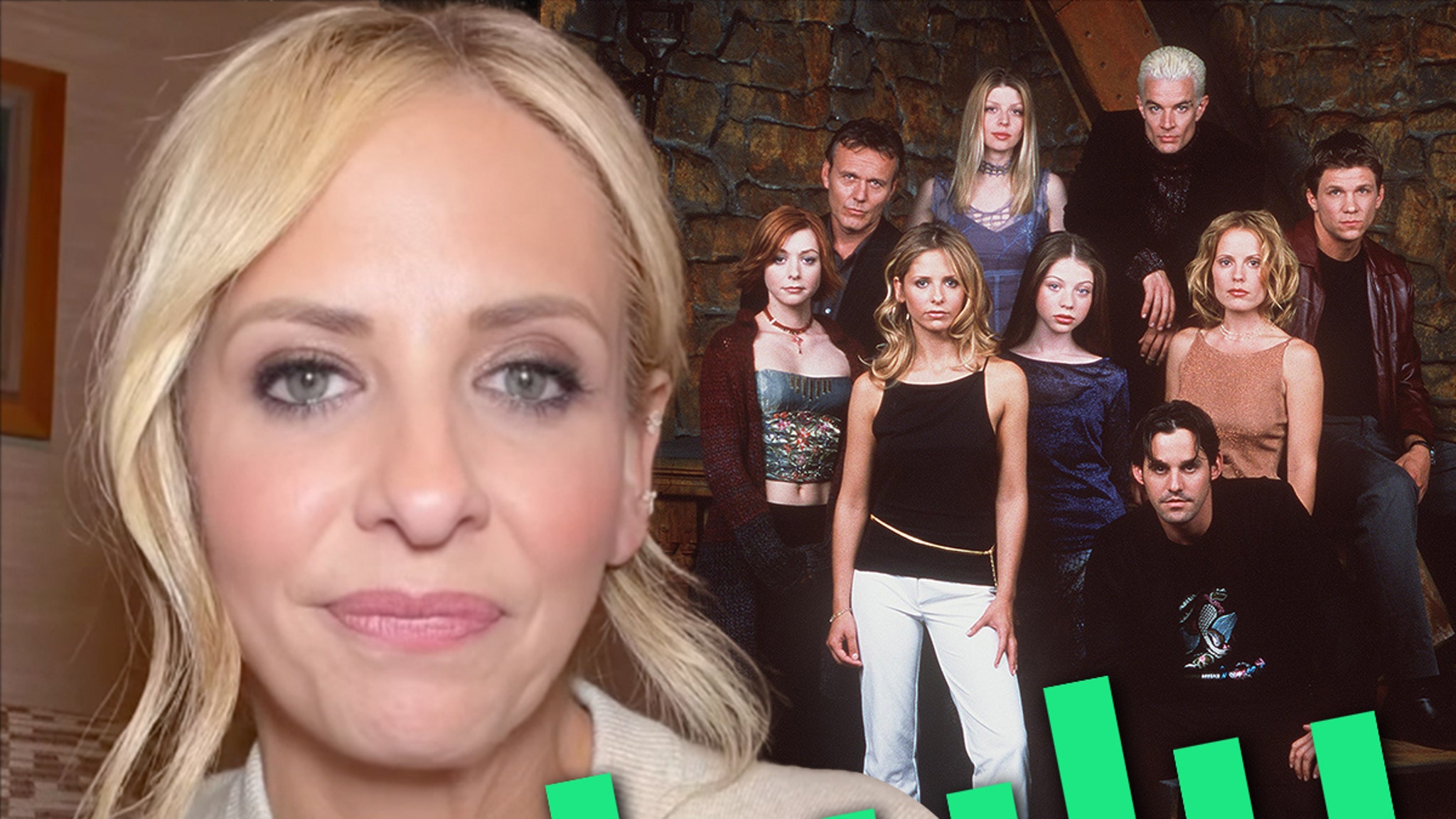
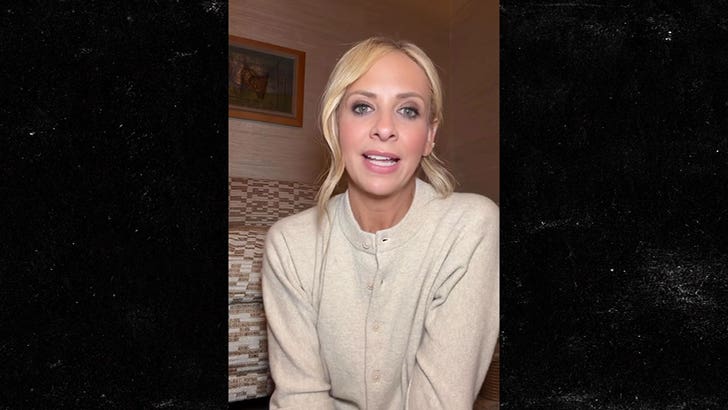
In a move to directly address her loyal following, Sarah Michelle Gellar took to Instagram on Saturday to personally announce the cancellation. Her post, which quickly went viral, expressed her excitement for the revival and her disappointment at its premature end. She humorously reassured fans that she was "excited to get back in Buffy’s stylish yet affordable boots" and promised her continued vigilance should an actual apocalypse loom. The heartfelt message resonated deeply with fans, who flooded the comment section with messages of support for Gellar and vehement condemnation of Hulu’s decision. Many comments included direct tags to Netflix, urging the rival streaming giant to "swoop in" and rescue the project, a testament to the fervent desire for the revival to find a new home. The hashtag #SaveBuffy began trending almost immediately, highlighting the significant emotional investment the audience has in the franchise.
A Brief History of "Buffy the Vampire Slayer: New Sunnydale"
The reboot, officially titled "Buffy the Vampire Slayer: New Sunnydale," was first announced in February 2025, generating immense excitement within the pop culture landscape. It promised a fresh take on the Slayer mythos, with a new protagonist, Ryan Kiera Armstrong, cast in the lead role as the next chosen Slayer. Armstrong, known for her compelling performances in projects like "Firestarter" and "The Tomorrow War," was poised to inherit the mantle, bringing a contemporary sensibility to the character. The inclusion of Sarah Michelle Gellar in a recurring role was a strategic move designed to bridge the gap between the original series’ devoted fanbase and new viewers, offering a comforting sense of continuity while allowing the narrative to evolve. While specific plot details remained largely under wraps, the vision was reportedly to explore the evolving challenges of a modern Slayer in a world grappling with new forms of darkness, both supernatural and societal, while maintaining the characteristic wit, heart, and action that defined the original series. Chloé Zhao’s attachment further signaled a commitment to high-caliber storytelling and cinematic artistry, suggesting a potentially more nuanced and visually striking interpretation of the "Slayerverse."
The Enduring Legacy of Buffy the Vampire Slayer
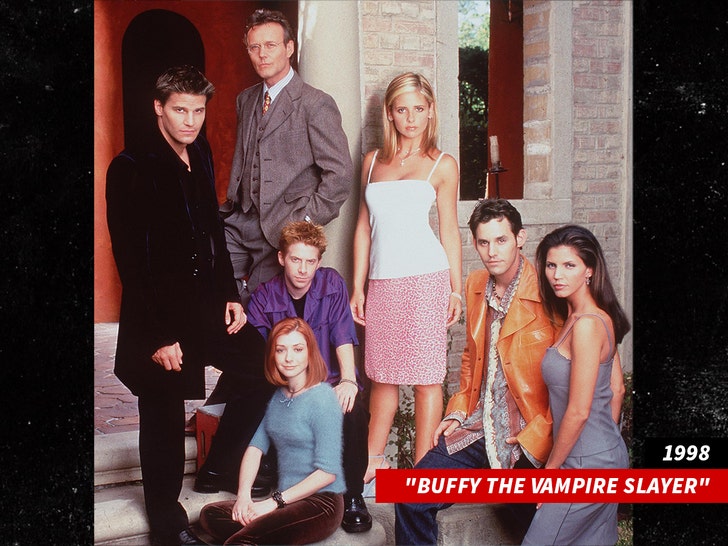
"Buffy the Vampire Slayer" originally premiered in 1997, evolving from the 1992 film of the same name. Created by Joss Whedon, the series transcended its initial premise of a high school girl fighting vampires to become a cultural phenomenon. Over its seven seasons, initially on The WB and later UPN, "Buffy" redefined the teen drama and supernatural genres. It garnered critical acclaim for its sharp writing, complex characters, groundbreaking feminist themes, and its innovative use of metaphor to explore real-world issues like identity, trauma, power, and adolescence. The show’s influence can be seen across countless subsequent television series and films, solidifying its place as a cornerstone of modern television.
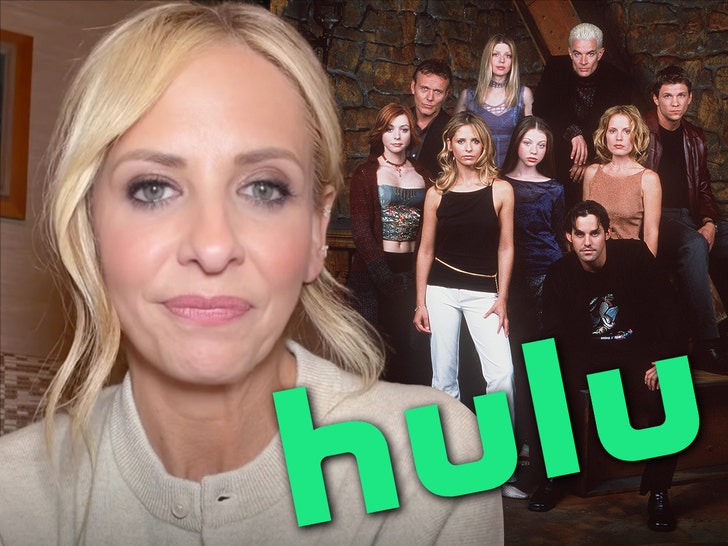
Sarah Michelle Gellar’s portrayal of Buffy Summers remains iconic, a powerful and relatable heroine who was both vulnerable and incredibly strong. Her performance anchored a cast that included fan favorites like David Boreanaz (Angel), Alyson Hannigan (Willow Rosenberg), Nicholas Brendon (Xander Harris), and Anthony Stewart Head (Rupert Giles). The show’s intricate mythology, memorable villains, and a loyal fanbase that extended far beyond its initial demographic created a lasting cultural footprint. Discussions about a revival or reboot have circulated for years, fueled by the show’s enduring popularity and the industry’s increasing appetite for reimagining beloved intellectual properties. The prospect of "New Sunnydale" was therefore met with widespread enthusiasm, seen by many as a timely opportunity to revisit a universe rich with storytelling potential.
Challenges in Reboots and Revivals: An Industry Trend
The entertainment industry has witnessed an explosion of reboots, revivals, and cinematic universes in recent years, driven by the desire to capitalize on established intellectual property (IP) and leverage existing fanbases. While some ventures, like "Cobra Kai" or "Star Trek: Picard," have found success by blending nostalgia with fresh narratives, many others have struggled to capture the magic of their predecessors or connect with new audiences. The challenges are manifold: balancing reverence for the original with the need for innovation, navigating evolving audience expectations, and securing the right creative talent to shepherd the project.
For a franchise like "Buffy," the bar is set exceptionally high. Fans are fiercely protective of the characters and lore, making any deviation a potential point of contention. The original series, while praised for its progressive themes, also faces scrutiny in a contemporary context, particularly concerning past allegations against its creator. A new iteration would undoubtedly have had to navigate these complexities, aiming to uphold the spirit of empowerment while addressing criticisms and evolving societal norms. The involvement of Chloé Zhao, known for her independent spirit and unique storytelling approach, suggested a bold, potentially more artistic direction that might have diverged significantly from the original’s television serial format.
The Business of Streaming: Hulu’s Decision and Broader Implications
Hulu, like other major streaming platforms, operates in an increasingly competitive and data-driven landscape. Decisions regarding project greenlights, development, and cancellations are influenced by a myriad of factors, including projected audience engagement, subscriber acquisition potential, budget allocation, and alignment with overall content strategy. While Hulu has not yet issued an official statement regarding the "Buffy the Vampire Slayer: New Sunnydale" cancellation, such decisions often stem from a confluence of internal considerations.
Potential factors could include:
- Budgetary Constraints: High-profile revivals, especially those involving established stars and acclaimed directors, can carry significant production costs. In an era of increasing fiscal scrutiny across streaming services, projects might be axed if their projected return on investment doesn’t meet stringent internal metrics.
- Creative Differences: Despite the enthusiasm of Gellar and Zhao, creative visions can sometimes diverge between the production team and network executives, leading to an impasse that results in a project being shelved.
- Market Saturation: With numerous genre shows and reboots vying for audience attention, platforms might reassess whether a particular project stands out enough to justify its investment, especially if internal projections suggest it might struggle to cut through the noise.
- Evolving Strategy: Streaming services constantly refine their content strategies, pivoting to focus on specific genres, demographics, or types of programming. "New Sunnydale" might have simply fallen outside Hulu’s updated priorities.
The cancellation of such a high-profile project, especially one with significant creative talent attached, sends a clear message about the volatile nature of content development in the streaming era. It underscores that even beloved IPs with strong creative teams are not immune to the economic and strategic realities of the industry.
What Lies Ahead for the "Slayerverse" and its Creators
For Sarah Michelle Gellar and Chloé Zhao, the cancellation of "New Sunnydale" is undoubtedly a setback, but it is unlikely to derail their successful careers. Gellar continues to demonstrate her versatility with projects like "Ready or Not 2: Here I Come," reaffirming her acting prowess and appeal. Zhao, with her Oscar nomination for "Hamnet," remains one of the most sought-after directors in Hollywood, with a clear artistic vision that transcends genre.
The future of the "Buffy the Vampire Slayer" intellectual property itself remains uncertain. While Hulu has staked this particular iteration, the fervent fan reaction and the demonstrable cultural impact of the franchise suggest that the desire for a return to the Slayerverse endures. The public outcry, particularly the coordinated effort to appeal to Netflix, highlights the possibility that the project, or a similar one, could potentially find a new home. In an industry constantly seeking valuable IP, the "Buffy" brand remains a powerful asset. Whether it’s a direct revival of "New Sunnydale" under a different banner, an entirely new interpretation, or a return to the animated or comic book formats, the legacy of Buffy Summers is too potent to simply fade into the shadows. For now, however, the Scooby Gang, and their fans, must contend with a new kind of darkness: the absence of their anticipated return.

 Eva Lovia
 Julia Chirkova
 Julia Prastini
 Nila Kartika Wati
 Lina Irawan