
 Nila Kartika Wati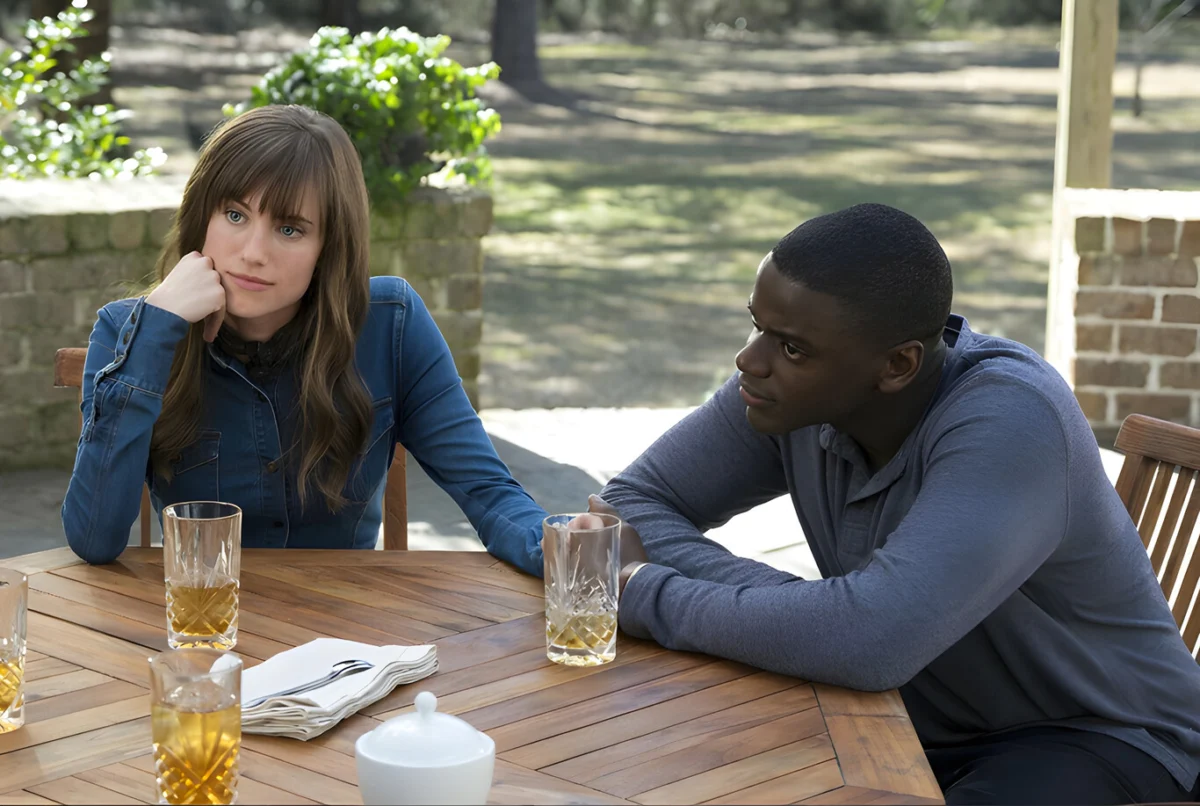
The global streaming landscape is set for a notable shift as Jordan Peele’s seminal directorial debut, Get Out, prepares to exit the Netflix catalog on March 18. This departure marks a significant moment for subscribers of the platform, as the 2017 psychological thriller has remained a cornerstone of "must-watch" digital libraries since its acquisition. While the film’s availability will persist on alternative platforms such as HBO Max and Amazon Prime Video, its removal from Netflix—the world’s largest streaming service by subscriber count—signals the conclusion of a specific licensing window for a film that fundamentally altered the trajectory of modern horror and social commentary in cinema.
Originally released by Universal Pictures and produced by Blumhouse Productions, Get Out emerged as a rare cinematic anomaly: a low-budget genre film that garnered universal critical acclaim, massive box office returns, and significant Academy Award recognition. As the March 18 deadline approaches, industry analysts and film enthusiasts are revisiting the film’s complex production history and the "social horror" framework that allowed it to transcend the typical boundaries of the thriller genre.
The Genesis and Production of a Modern Classic
The development of Get Out represents a pivotal transition for Jordan Peele, who, prior to 2017, was primarily recognized for his work in sketch comedy, most notably the Comedy Central series Key & Peele. The transition from comedy to horror was not as disparate as it appeared to the public; Peele has frequently noted in interviews that both genres rely heavily on timing, subverting expectations, and a deep understanding of human anxiety.
The conceptual roots of the film were inspired by a stand-up monologue by Eddie Murphy, which discussed the inherent tensions of a Black man visiting a white girlfriend’s family in a secluded neighborhood. Peele took this comedic observation and inverted it, crafting a narrative that utilized the "fish-out-of-water" trope to explore the more insidious layers of systemic prejudice.

Production was handled under the specialized business model of Jason Blum’s Blumhouse Productions. Known for "micro-budget" filmmaking, Blumhouse provided Peele with a modest $4.5 million budget. This financial constraint required a disciplined 23-day shooting schedule in Alabama, which ultimately forced a focus on atmospheric tension and character-driven suspense rather than expensive special effects. This lean production style became a hallmark of the film’s success, proving that high-concept storytelling could yield massive dividends without blockbuster-level investment.
Narrative Structure and the Rise of Social Horror
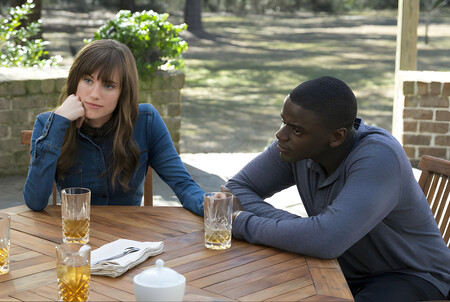
Get Out follows Chris Washington (played by Daniel Kaluuya), a talented Black photographer who travels with his white girlfriend, Rose Armitage (Allison Williams), to meet her parents at their secluded estate. What begins as a series of awkward, overly solicitous interactions regarding race evolves into a terrifying conspiracy involving the literal commodification of Black bodies.
The film is credited with popularizing the term "social horror," a subgenre where the primary source of terror is not a supernatural entity or a masked slasher, but rather society itself and the prejudices embedded within it. Unlike traditional horror films that often rely on the "othering" of the villain, Get Out identifies the villainy within the familiar and the "polite" segments of society. The Armitage family does not represent overt, aggressive bigotry, but rather a performative, neoliberal obsession that is revealed to be just as dehumanizing.
A central motif that entered the cultural lexicon following the film’s release is "The Sunken Place." Described by Peele as a metaphor for the marginalization and silencing of Black voices, the Sunken Place is visually represented as a dark, infinite void where the protagonist is paralyzed, forced to watch his life from a distant screen without any agency. This imagery resonated deeply with audiences and critics alike, serving as a visceral representation of disenfranchisement that extended far beyond the confines of the horror genre.
Financial Performance and Statistical Success
The commercial trajectory of Get Out remains one of the most impressive in recent Hollywood history. Upon its theatrical release in February 2017, the film defied industry projections, earning $33.4 million in its opening weekend alone. By the end of its theatrical run, it had grossed over $176 million domestically and more than $255 million worldwide.

When measured against its $4.5 million production budget, the film’s return on investment (ROI) was astronomical, cementing it as one of the most profitable films of the year. This financial success demonstrated to major studios that there was a massive, underserved market for "elevated horror" films that tackled complex social issues.
Critical reception was equally robust. On the review aggregator Rotten Tomatoes, the film maintains a 98% approval rating based on nearly 400 reviews. Critics praised Daniel Kaluuya’s nuanced performance, which required him to convey intense internal psychological trauma through subtle facial expressions—a feat that eventually earned him an Academy Award nomination for Best Actor. The film also holds a high score of 85 on Metacritic, indicating "universal acclaim."
Awards and Industry Recognition
The 90th Academy Awards marked a historic turning point for Get Out and Jordan Peele. The film received four major nominations: Best Picture, Best Director, Best Actor, and Best Original Screenplay. In a field typically dominated by traditional dramas and historical epics, the inclusion of a horror-thriller in the Best Picture category was a significant departure from Academy norms.
Jordan Peele ultimately won the Oscar for Best Original Screenplay, making him the first Black screenwriter to win in that category. This victory was seen as a validation of the "horror as social commentary" approach. In his acceptance speech, Peele noted that he had stopped writing the script "about 20 times" because he thought it was "impossible" to get made. The win served as a catalyst for a new era of filmmaking, encouraging studios to greenlight projects from diverse voices that utilized genre tropes to explore identity and systemic power structures.
Chronology of the Films Impact on the Industry
2017: Get Out premieres at the Sundance Film Festival as a "secret screening," immediately generating massive buzz. Its subsequent theatrical release shatters expectations for R-rated horror.
2018: The film wins the Academy Award for Best Original Screenplay. Jordan Peele transitions from a comedic actor to one of the most sought-after directors and producers in Hollywood.
2019-2022: The "Peele Effect" takes hold. Peele releases Us (2019) and Nope (2022), both of which continue the trend of high-concept, socially conscious horror. Other filmmakers follow suit, leading to a resurgence in the genre often referred to as "The New Golden Age of Horror."
2023-2024: The film becomes a staple of streaming services, introducing the narrative to a new generation of viewers who may have missed its initial theatrical run. Its removal from Netflix on March 18, 2024, marks the end of a major chapter in its digital distribution history.
Broader Implications and Cultural Legacy
The removal of Get Out from Netflix is more than a simple change in a digital menu; it is a reminder of the shifting nature of media ownership and the importance of specific cultural touchstones within the public consciousness. The film’s departure coincides with an era where streaming platforms are increasingly rotating high-value third-party content to manage licensing costs and prioritize original programming.
The legacy of Get Out continues to influence contemporary media. It paved the way for television series like Lovecraft Country and Them, as well as films like Antebellum and Candyman (2021), the latter of which was co-written and produced by Peele. These works all share a DNA of utilizing the macabre to dissect the American experience.

Furthermore, the film’s impact on the career of Daniel Kaluuya cannot be overstated. Following his breakout role as Chris Washington, Kaluuya went on to star in Black Panther, Queen & Slim, and Judas and the Black Messiah, for which he won an Academy Award for Best Supporting Actor. The industry’s recognition of his talent began with the "quiet panic" he portrayed in Peele’s masterpiece.
As the March 18 deadline approaches, the recommendation for subscribers remains clear: the 104-minute runtime of Get Out offers more than just scares; it provides a rigorous, expertly crafted analysis of the human condition. For those who have yet to experience the tension of the Armitage estate or the haunting silence of the Sunken Place, the remaining window on Netflix provides a final opportunity to view the film on the platform that helped sustain its cultural relevance years after its debut. After March 18, the film will transition to its new homes on HBO Max and Prime Video, continuing its life as a definitive text of 21st-century cinema.


 Eva Lovia
 Julia Chirkova
 Julia Prastini
 Jia Lissa
 admin
admin