
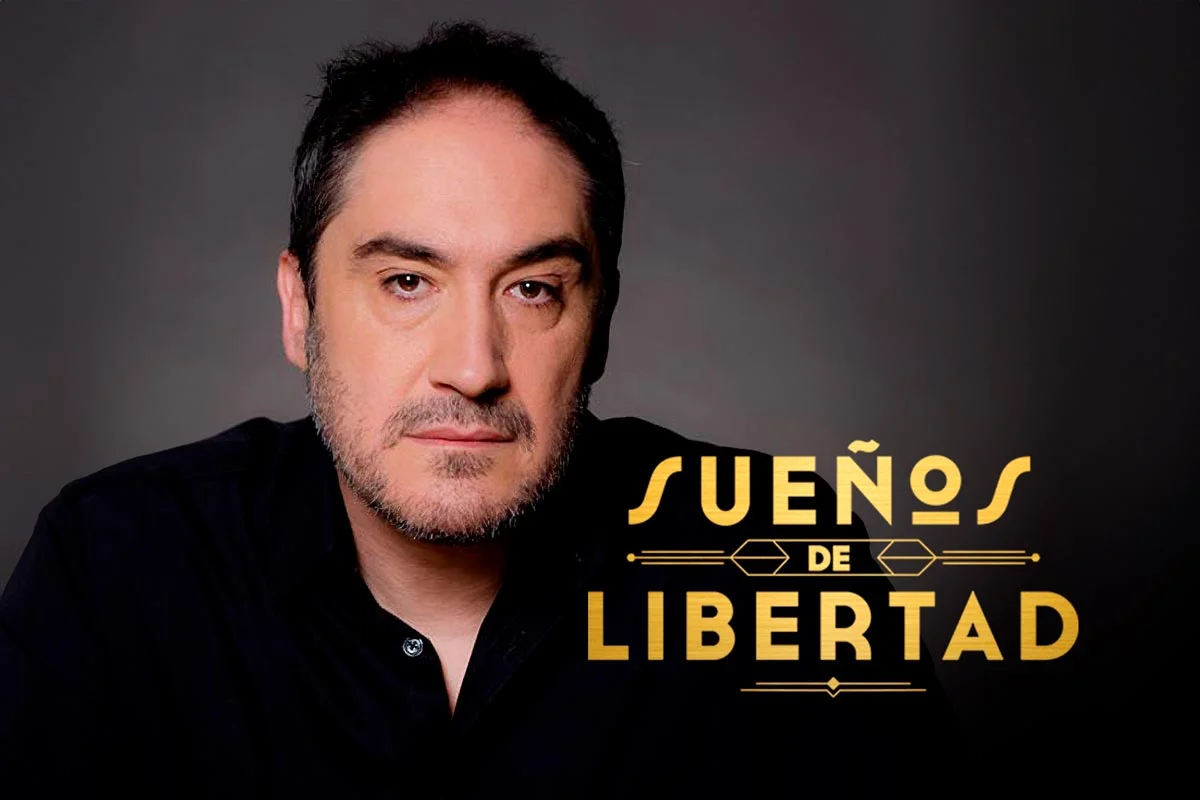
The much-anticipated return of Alberto, portrayed by Alfonso Lara, in episode 519 of "Sueños de Libertad" has injected a potent dose of drama and moral complexity into the Antena 3 series. His reappearance, occurring on March 16th, 2026, is not merely a narrative device but the catalyst for one of the season’s most emotionally taxing storylines, forcing Luz, the series’ central medical figure, into an ethical quagmire surrounding euthanasia. This pivotal moment in the fictional narrative of "Sueños de Libertad" delves deep into the personal history of Luz, played by Carolina Lapausa, and confronts her with a devastating request from her biological father, a man she has only recently begun to know.
A Tumultuous Past and a Father’s Unexpected Reemergence
Luz’s journey throughout "Sueños de Libertad" has been marked by profound hardship and resilience. Abandoned as a child, she grew up in an orphanage, her parentage a complete mystery. Her life took a significant turn when she began working as a maid in the household of Doctor Borrell. It was under his tutelage that her innate passion and aptitude for medicine were recognized and nurtured. Lacking the formal resources to pursue higher education, Luz absorbed medical knowledge from Doctor Borrell, a testament to her dedication and ambition. Following his death, Luz made a life-altering decision: to assume Doctor Borrell’s surname, enabling her to practice medicine without a formal degree. This clandestine career path, while driven by noble intentions to serve others, eventually led to her exposure and even imprisonment.
Her arrival in Toledo and subsequent employment at the Perfumerías De la Reina factory marked a new chapter, offering a chance for a fresh start. Despite the lack of official qualifications, Luz consistently demonstrated her exceptional medical capabilities within the factory’s dispensary, earning the respect and trust of her colleagues and the community. Her backstory, therefore, is one of overcoming adversity and a relentless pursuit of her calling, making the current ethical challenge all the more poignant.
Alberto’s Tragic Return: A Race Against Time and Suffering
Alberto’s initial appearance in the series was characterized by his concealed identity as he sought to reconnect with his daughter. However, his current return is steeped in tragedy. After a prolonged period working as a merchant marine, Alberto disembarks in Valencia harbor, critically ill. A former colleague, aware of his deteriorating condition, contacts Luz to relay the dire news. This urgent message triggers a desperate search by Luz, culminating in her finding her father in Madrid. The harsh reality she uncovers is devastating: Alberto is suffering from advanced poliomyelitis, a debilitating and incurable disease that offers no prospect of recovery. The progression of his illness is rapid and agonizing, leading to immense physical suffering.
The narrative of Alberto’s illness unfolds with a stark depiction of its progression. Poliomyelitis, a viral disease that can lead to paralysis and respiratory failure, was a significant public health concern prior to widespread vaccination. In the context of the series’ historical setting, effective treatments were limited, and the prognosis for advanced cases was often grim. Alberto’s advanced stage of the disease signifies a point of no return, where medical intervention can only offer palliative care, if that. The emotional toll on both father and daughter is amplified by the knowledge that Alberto’s remaining time will be consumed by pain and a gradual loss of bodily function.
A Heart-Wrenching Plea: The Euthanasia Dilemma
Faced with the imminent and agonizing end of his life, Alberto makes a plea to Luz that is as unexpected as it is heart-rending: he implores her to help him die. This request throws Luz into an ethical abyss. Within the historical period depicted in "Sueños de Libertad," euthanasia is not only illegal but considered a grave criminal offense. Furthermore, as a physician, Luz has taken an oath to preserve life, a fundamental tenet of her profession. This internal conflict is intensified by her past experiences. She has previously encountered situations where patients have expressed a desire to end their suffering, and on those occasions, she felt compelled to refuse, upholding her professional and moral obligations. However, the current request comes from her biological father, a man whose life she is only beginning to understand, adding an unprecedented layer of personal anguish to her professional duty.
The legal ramifications of assisting in a patient’s death in the era depicted are severe. Historically, physicians who facilitated or performed euthanasia faced charges ranging from manslaughter to murder, with significant prison sentences. This legal backdrop creates an immediate and tangible threat for Luz, should she consider honoring her father’s request. Beyond the legal consequences, the Hippocratic Oath, a cornerstone of medical ethics, traditionally emphasizes doing no harm and acting in the best interests of the patient. For Luz, these principles are now in direct conflict with her father’s desperate wish to escape suffering. The emotional weight of this decision is amplified by the knowledge that her father is not only her biological parent but a man who has suffered immensely and is seeking peace from unbearable pain.
Begoña and Nieves: Pillars of Support and Sources of Insight
Navigating this profound ethical and emotional crisis, Luz finds solace and counsel in two key figures in her life: Begoña, her steadfast friend and confidante, and Nieves, the dispensary nurse, with whom Luz has forged an increasingly strong bond. Their support is crucial as Luz grapples with the monumental decision before her.
The presence of Nieves takes on particular significance. It is revealed that Nieves previously worked with Doctor Giralt in Tarragona, a physician who was reportedly under suspicion for having performed euthanasia on several patients. This past association provides Luz with a potential source of information and a precedent, however controversial, for considering the possibility of assisted dying. Luz’s interactions with Nieves may offer insights into the practicalities, ethical considerations, and potential repercussions of such actions, albeit within a clandestine context. Nieves’ own experiences and moral compass will undoubtedly play a role in shaping Luz’s perspective as she weighs her father’s plea against her professional and legal obligations. The dialogue between Luz and Nieves will likely explore the nuances of compassion, the definition of suffering, and the boundaries of medical intervention.
A Narrative Crossroads: Implications for Luz’s Future
This deeply personal and ethically charged storyline is poised to become a significant turning point in "Sueños de Libertad" in the coming weeks. The narrative not only ignites a vital debate on the ethics of euthanasia but also carries the potential to irrevocably alter Luz’s future. The consequences of her decision, whatever it may be, could have far-reaching implications for her career, her personal relationships, and her standing within the community.
The timing of this plot development is particularly noteworthy. It arrives at a juncture where the character of Luz appears to be approaching a potential narrative exit from the series. This confluence of events amplifies the tension and uncertainty surrounding her fate, leaving audiences to speculate on whether this ethical crucible will be her final challenge within the factory or a profound experience that reshapes her path moving forward. The resolution of this dilemma will undoubtedly leave a lasting impact on the series’ overall arc and the character development of Luz.
Alfonso Lara: A Veteran Actor’s Return to the Forefront
The re-entry of Alberto into "Sueños de Libertad" also signifies the return to prominence of the accomplished actor Alfonso Lara. With a distinguished career spanning television, film, and theatre, Lara has established himself as a respected figure in Spanish entertainment. Born in Madrid in 1968, his extensive television work includes memorable roles in numerous Spanish series. He is perhaps most widely recognized for his portrayal of Juan Taberner in "Un Paso Adelante," a highly popular television series that achieved significant success in the early 2000s. Lara’s presence in "Sueños de Libertad" adds significant gravitas to the storyline, bringing depth and emotional resonance to the complex character of Alberto. His performance is expected to be a critical element in conveying the profound suffering and the moral weight of the euthanasia dilemma. His established acting prowess ensures that Alberto’s plight will be depicted with authenticity and emotional impact, drawing viewers deeper into the narrative’s ethical complexities.

0 Comments