
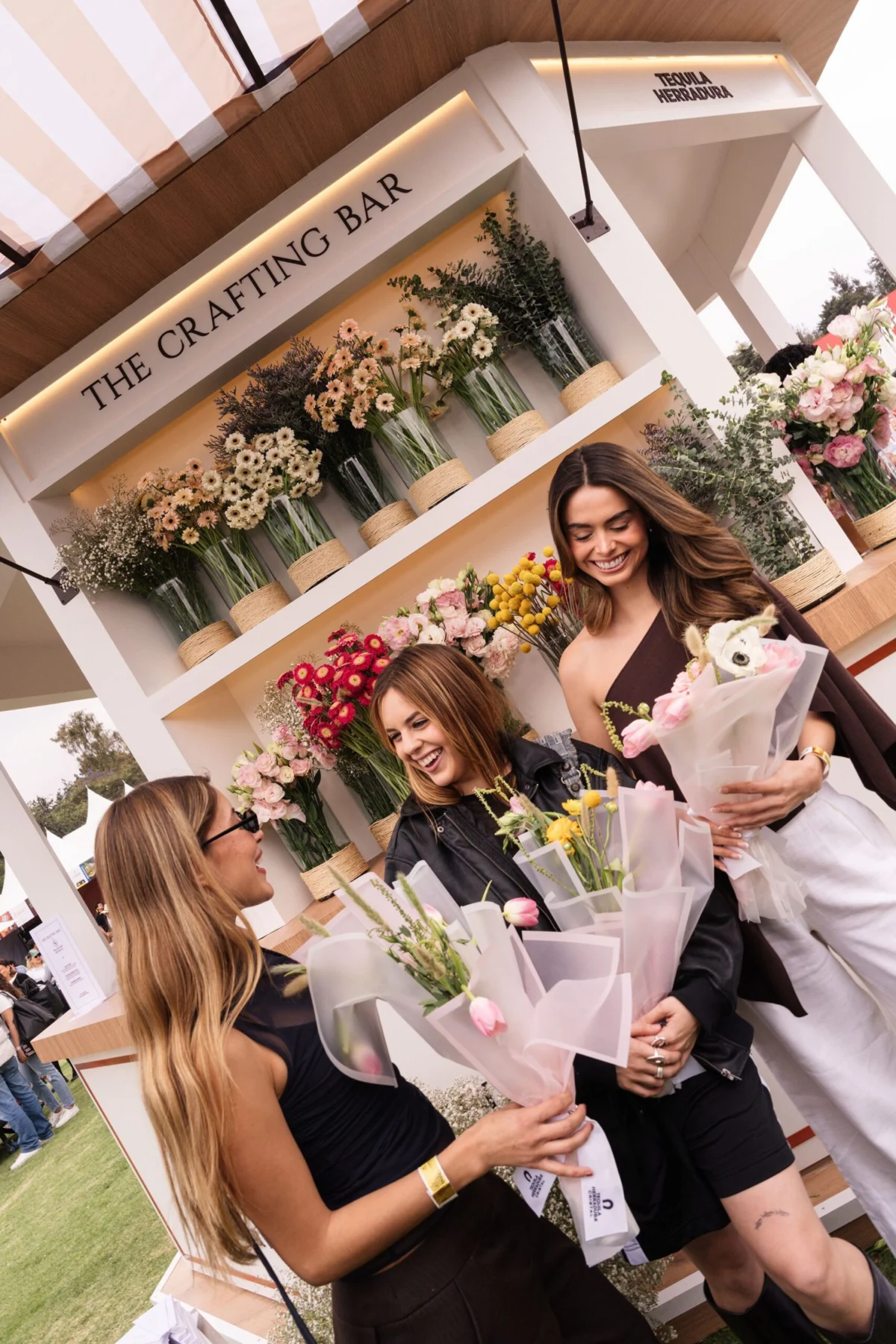
The twelfth edition of Sabor es Polanco, Mexico City’s premier gourmet festival, recently concluded its latest installment at the gardens of Campo Marte, reaffirming its status as a cornerstone of the capital’s culinary calendar. Amidst a sprawling assembly of the nation’s finest restaurateurs, sommeliers, and producers, Tequila Herradura Cristal emerged as a focal point of the event, providing a sophisticated bridge between traditional Mexican heritage and contemporary lifestyle trends. The festival, which has grown significantly since its inception, once again utilized the expansive military equestrian grounds of Campo Marte to host thousands of attendees, offering a curated selection of seafood, premium meat cuts, artisanal pastas, and high-end confectionery. Within this high-density gastronomic environment, the presence of Tequila Herradura served not merely as a beverage provider but as an architect of a multi-sensory experience designed to highlight the nuances of the Cristalino tequila category.
The Strategic Significance of Sabor es Polanco in the Gastronomic Sector
Sabor es Polanco has evolved into more than a food fair; it is a critical platform for the Mexican hospitality industry. Since its first edition, the festival has aimed to centralize the diverse culinary offerings of the Polanco district—an area internationally recognized for its concentration of high-end dining establishments—and bring them to a wider audience in a single, open-air venue. The 12th edition saw a participation of over 70 restaurants and 200 exhibitors, reflecting a robust recovery and growth in the post-pandemic luxury event sector.
For brands like Tequila Herradura, participation in such an event is a strategic move to engage with a demographic that values both quality and provenance. The festival provides a unique "touchpoint" where consumers can interact with the product in a controlled, premium environment. Industry analysts note that gastronomic tourism and high-end food festivals contribute significantly to the local economy, with Sabor es Polanco attracting visitors from across the country and abroad, thereby bolstering Mexico City’s reputation as a global culinary capital.

Technical Profile: The Artistry Behind Tequila Herradura Cristal
Central to the brand’s activation was Tequila Herradura Cristal, a product that exemplifies the "Cristalino" trend that has dominated the premium spirits market over the last decade. To understand its role at the festival, one must look at the technical specifications of the liquid. Herradura Cristal is a Reposado tequila, aged in charred American white oak barrels for 15 months, which exceeds the standard requirement for the Reposado category. Following the aging process, the tequila undergoes a proprietary filtration method that removes the amber color imparted by the wood while retaining the complex flavor profile.
The resulting spirit offers a balance between the vibrant, herbal notes of the agave and the smooth, creamy textures of an aged tequila. On the nose, it presents cooked agave intertwined with floral and woody undertones. On the palate, the experience is defined by a distinct silkiness, featuring notes of caramel, vanilla, citrus fruits, and a subtle finish of black pepper. This profile makes it an exceptionally versatile spirit for food pairings, a quality that was extensively explored throughout the weekend at Campo Marte.
The Crafting Bar: A Chronological Journey of Sensory Interaction
The Herradura experience was structured around "The Crafting Bar," a dedicated space that moved beyond traditional sampling to offer interactive workshops. The chronology of the activation was designed to mirror the "slow living" philosophy, encouraging guests to pause and engage with the brand on a deeper level.
The day’s activities began with a floral workshop, a strategic lifestyle integration that emphasized the "floral notes" found within the tequila itself. High-profile attendees, including Regina Peredo, Daniela Guillermo, and Dany Rodríguez, participated in this phase, selecting various stems and colors to construct personalized bouquets. This activity served as a metaphorical introduction to the complexity of blending—much like a master distiller selects different batches of tequila to create a final product, the guests selected floral elements to create a harmonious whole.

Following the floral workshop, the focus shifted to "The Crafting Bar’s" mixology program, led by renowned bartender Diego Morales. The objective was to move away from the standard "margarita" template and introduce sophisticated "Coctelería de Autor" (signature cocktails). Guests were invited to participate in the ritual of preparation, learning the mechanics of balance, dilution, and garnish.
Signature Mixology and Flavor Theory
The menu designed by Diego Morales for the festival highlighted three distinct directions in contemporary tequila mixology:
- The Cristal Spritz: Selected by Daniela Guillermo, this drink catered to the afternoon crowd looking for effervescence and lightness. By combining the smooth base of Herradura Cristal with sparkling elements and citrus, the cocktail showcased the tequila’s ability to remain present without overpowering the delicate bubbles of a spritz.
- The Cristal Negroni: A choice made by Dany Rodríguez, this cocktail represented a bolder, more structural approach. Substituting gin for Tequila Herradura Cristal in a Negroni format allows the agave’s earthy notes to interact with the bitterness of the vermouth and amaro, proving the spirit’s resilience in high-intensity, bitter-forward profiles.
- The Margarita 1870: Regina Peredo opted for this modern classic. Named in honor of the year Casa Herradura was founded, this iteration of the Margarita used the Cristalino base to provide a cleaner, more refined finish than the traditional silver tequila, bridging the gap between historical legacy and modern palate preferences.
Market Context: The Rise of the Cristalino Category
The emphasis on Tequila Herradura Cristal at Sabor es Polanco reflects broader trends in the global spirits industry. According to data from the Tequila Regulatory Council (CRT), the production and export of premium tequilas have seen double-digit growth annually. The "Cristalino" sub-category, in particular, has become a driver for "premiumization," as it appeals to consumers who seek the smoothness of an aged spirit but prefer the aesthetic of a clear liquid.
Market research suggests that younger, affluent consumers are increasingly drawn to tequilas that offer a "smooth" drinking experience, often opting to sip the spirit neat or in high-end cocktails. Herradura’s decision to focus on the Cristalino expression at a premier event like Sabor es Polanco aligns with this consumer shift. By positioning the product alongside high-fashion influencers and elite gastronomy, the brand reinforces its status as a lifestyle choice rather than just a beverage.

Institutional Heritage and Cultural Impact
The presence of Tequila Herradura at Campo Marte also carries historical weight. Casa Herradura, located in Amatitán, Jalisco, is one of Mexico’s oldest and most respected tequila producers. Since 1870, the estate has maintained traditional production methods, such as using brick ovens to cook the agave and relying on natural fermentation with wild yeasts.
Bringing this heritage to the heart of Mexico City via Sabor es Polanco serves a dual purpose: it educates the urban consumer on the rigors of traditional production while demonstrating the brand’s adaptability to modern settings. The festival environment allows for a "democratization of luxury," where attendees can learn about the 15-month aging process and the nuances of volcanic soil directly from brand ambassadors, fostering a more informed consumer base.
Implications for the Future of Gastronomic Events
The success of the 12th edition of Sabor es Polanco and the integrated Herradura experience points toward a future where "experiential marketing" is mandatory for brand relevance. Static booths are being replaced by interactive "bars" and "crafting stations" that demand the consumer’s time and creativity.
From an industry perspective, the event demonstrates that the synergy between spirits brands and the culinary world is deepening. As Mexican gastronomy continues to receive international accolades (with several Polanco-based restaurants appearing on "World’s 50 Best" lists), the spirits that accompany these meals are under greater scrutiny. The "Cristalino" category, as demonstrated by Herradura, appears well-positioned to meet the demands of this elevated culinary landscape.

In conclusion, the twelfth edition of Sabor es Polanco served as a vital indicator of the health and sophistication of Mexico’s luxury food and beverage sector. By weaving together the technical excellence of Tequila Herradura Cristal with the social and creative atmosphere of the festival, the event provided a comprehensive look at how tradition can be successfully repackaged for a contemporary audience. As the curtains close on this edition, the impact remains in the form of increased brand loyalty, a more educated palate for the thousands of attendees, and a reinforced benchmark for what a premier gastronomic festival should represent in the 21st century.

0 Comments