
 Raisa Andriana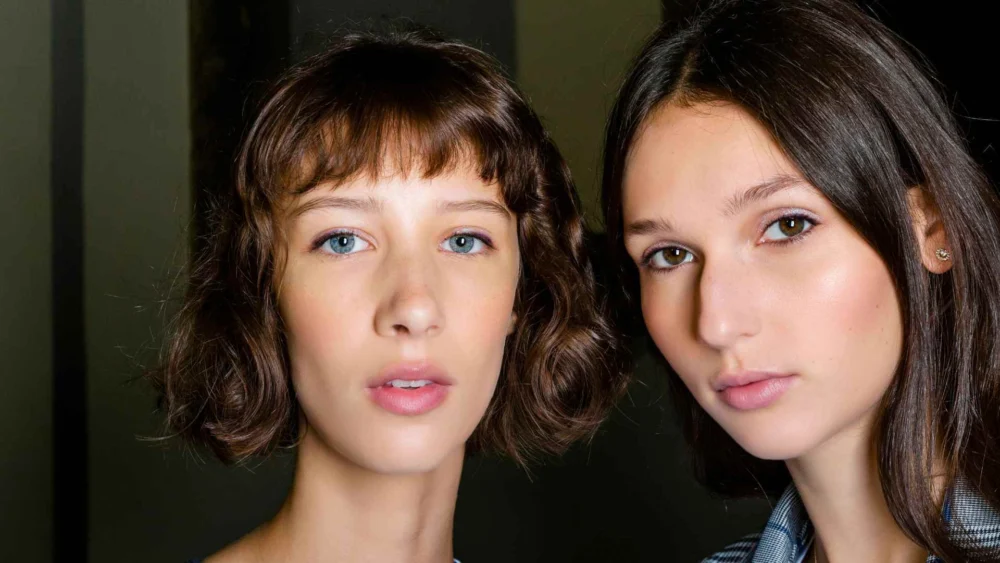
The hairstyling landscape of 2026 has been defined by a significant and sophisticated return of the mullet, a silhouette once relegated to the archives of 1980s kitsch but now reclaimed as a pinnacle of avant-garde fashion. While the haircut has seen various iterations over the last several decades, its current iteration represents a departure from the "ironic" or "retro" labels of the past. Today, the mullet is being utilized by stylists and fashion houses as a versatile tool for self-expression, blending technical precision with a rebellious aesthetic that transcends gender boundaries and traditional beauty standards.
Historically characterized by the "business in the front, party in the back" philosophy, the 2026 mullet has been structurally reimagined. The contemporary version emphasizes seamless transitions, internal layering, and customized textures that allow the cut to flatter various face shapes and hair types. This resurgence is not merely a localized trend but a global phenomenon observed on runways from Paris to Tokyo, signaling a broader shift in consumer preferences toward low-maintenance yet high-impact personal styling.

The Historical Evolution and Chronology of the Mullet
To understand the 2026 resurgence, one must examine the chronological trajectory of the mullet. The style’s roots can be traced back to ancient civilizations, where warriors often kept hair short in the front to maintain visibility and long in the back for warmth and protection. However, its modern fashion journey began in the 1970s.
- The 1970s (The Glam Rock Era): Icons like David Bowie, through his persona Ziggy Stardust, popularized the feathered, dyed mullet. It was a symbol of the "androgynous chic" movement, challenging the rigid gender norms of the time.
- The 1980s (The Mainstream Peak): The mullet became a ubiquitous cultural staple. From Hollywood actors to professional athletes and rock stars, the style was the definitive look of the decade. It was during this time that the stark contrast between the short sides and the long back became most pronounced.
- The 1990s and 2000s (The Decline and Derision): Following its overexposure, the mullet fell out of favor, becoming a subject of cultural mockery. It was often associated with a lack of sophistication, leading to its disappearance from high-fashion circles for nearly two decades.
- 2020–2024 (The Renaissance): The COVID-19 pandemic served as an unexpected catalyst for the mullet’s return. With salons closed, "DIY" home haircuts led to the rise of the "Wolf Cut" and the "Shag," both of which are direct descendants of the mullet. Celebrities like Miley Cyrus and Zendaya helped reintroduce the look to a younger, Gen Z audience.
- 2026 (The Refined Maturity): The current year marks the stabilization of the trend. No longer a "quarantine experiment," the 2026 mullet is a deliberate, professional cut characterized by soft layers and artisanal texture.
Market Data and Consumer Trends in 2026
The prevalence of the mullet in 2026 is supported by significant industry data. According to the International Hairdressers Association (IHA) and global search engine metrics, "mullet-variant" haircuts have seen a 45% increase in salon requests compared to the previous two years.
Social media analytics further underscore this dominance. On platforms like TikTok and Instagram, hashtags such as #ModernMullet and #Mullet2026 have garnered over 5 billion cumulative views. Market research indicates that the primary demographic driving this trend is aged 18 to 34, though there is a growing segment of professionals over 40 who are adopting "soft mullets" or "midi-mullets" as a way to modernize their professional appearance.

Furthermore, the professional hair care industry has responded to this demand by launching specialized texturizing products. Sales of sea salt sprays, molding clays, and lightweight pomades—products essential for maintaining the "messy" and "punk" variations of the mullet—have grown by 22% in the first quarter of 2026 alone.
Defining the Five Essential Mullet Trends of 2026
As the mullet continues to evolve, five distinct variations have emerged as the most requested styles in high-end salons. Each offers a different level of commitment and aesthetic impact.
1. The Long-Length Mullet
For individuals with significant hair length, the 2026 long mullet offers a high-contrast look that maintains femininity or masculinity while adding a modern edge. Unlike the 80s version, which often looked disjointed, the 2026 long mullet utilizes "ghost layers"—internal thinning that creates movement without sacrificing the appearance of density. This style is particularly effective for those with natural waves, as it allows the weight of the back to provide a cascading effect while the shorter top adds volume.

2. The Midi-Mullet and Soft Transitions
The "Midi-Mullet" is the most conservative iteration of the trend, designed for those seeking a transition into the style without a drastic change. It features a subtle graduation of length from the temples to the nape of the neck. Stylists describe this as a "hybrid cut," blending elements of the traditional bob with the mullet’s signature asymmetry. It is highly versatile and can be styled sleek for corporate environments or textured for weekend outings.
3. The Open-Bangs (Curtain) Mullet
A major development in 2026 is the integration of "curtain bangs" or open fringes with the mullet structure. This combination softens the facial features and frames the eyes, making the often-aggressive mullet silhouette more approachable. The open-bangs mullet is frequently paired with face-framing layers that blend into the longer back, creating a cohesive look that works exceptionally well on heart-shaped and oval faces.
4. The Modern Punk and High-Texture Variant
Reviving the rebellious spirit of the 80s underground scene, the 2026 punk mullet incorporates jagged layers, disconnected sections, and often, vibrant color placements. This version is less about "flow" and more about "architecture." It is a statement piece that requires regular maintenance to keep the edges sharp. Industry experts note that this style has become a favorite among the creative industries and the fashion-forward youth of urban centers like London, Berlin, and Seoul.

5. The Short "Micro-Mullet"
The micro-mullet is a derivative of the pixie cut, featuring a very short fringe and sides, with the hair extending just past the ears or to the base of the neck. It is favored for its ease of styling and "wash-and-go" nature. In 2026, this style is often accompanied by "baby bangs," providing a futuristic, almost cyberpunk aesthetic that has been widely adopted by tech-sector professionals and artists.
Industry Reactions and Expert Perspectives
The professional community has largely embraced the mullet’s return, viewing it as a testament to the skill required in modern barbering and hairdressing. Julianne Mercer, a senior educator at a leading global hair academy, states: "The 2026 mullet is a technical masterpiece. It requires a deep understanding of head shape and hair growth patterns. You cannot simply cut a mullet; you have to sculpt it to the individual. It’s the ultimate bespoke haircut."
Fashion critics have also weighed in on the sociological implications of the trend. Many argue that the mullet’s popularity is a reflection of a "post-perfection" society. In an era dominated by AI-generated imagery and filtered photos, the deliberate asymmetry and "messy" nature of the mullet represent an embrace of human imperfection and individuality.

Furthermore, the gender-neutral quality of the cut has been cited as a key factor in its longevity. "The mullet doesn’t belong to any one gender," says fashion sociologist Dr. Aris Thorne. "In 2026, we are seeing a total dissolution of ‘men’s’ and ‘women’s’ styles. The mullet is the vanguard of this movement because it is inherently adaptable to any identity."
Broader Implications and Future Outlook
The resurgence of the mullet in 2026 is more than a passing fad; it is an indicator of the cyclical nature of fashion and the increasing speed at which subcultures move into the mainstream. As digital connectivity allows trends to spread instantly, the "rebellion" of the mullet has been democratized.
Looking ahead to 2027 and beyond, industry analysts predict that the mullet will continue to splinter into even more niche variations. We may see the "Tailored Mullet"—a ultra-sharp, symmetrical version—or the "Ethereal Mullet," which uses pastel colors and fine, wispy textures.

In conclusion, the 2026 mullet stands as a symbol of the current era’s fashion philosophy: a respect for historical icons, a demand for technical excellence, and an unwavering commitment to personal authenticity. Whether through a long, cascading mane or a short, punk-inspired crop, the mullet has proven that it is no longer a joke of the past, but a sophisticated staple of the present and future.

 Eva Lovia
 Julia Chirkova
 Julia Prastini
 Nila Kartika Wati
 Lina Irawan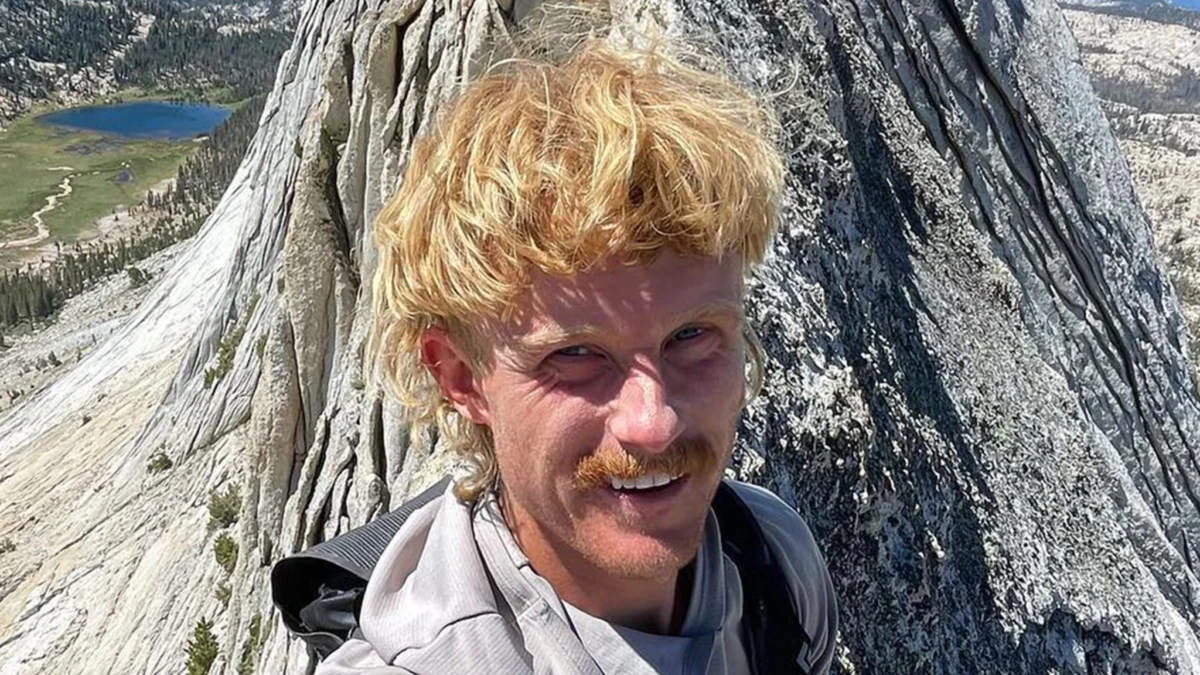
 Jia Lissa