
 Raisa Andriana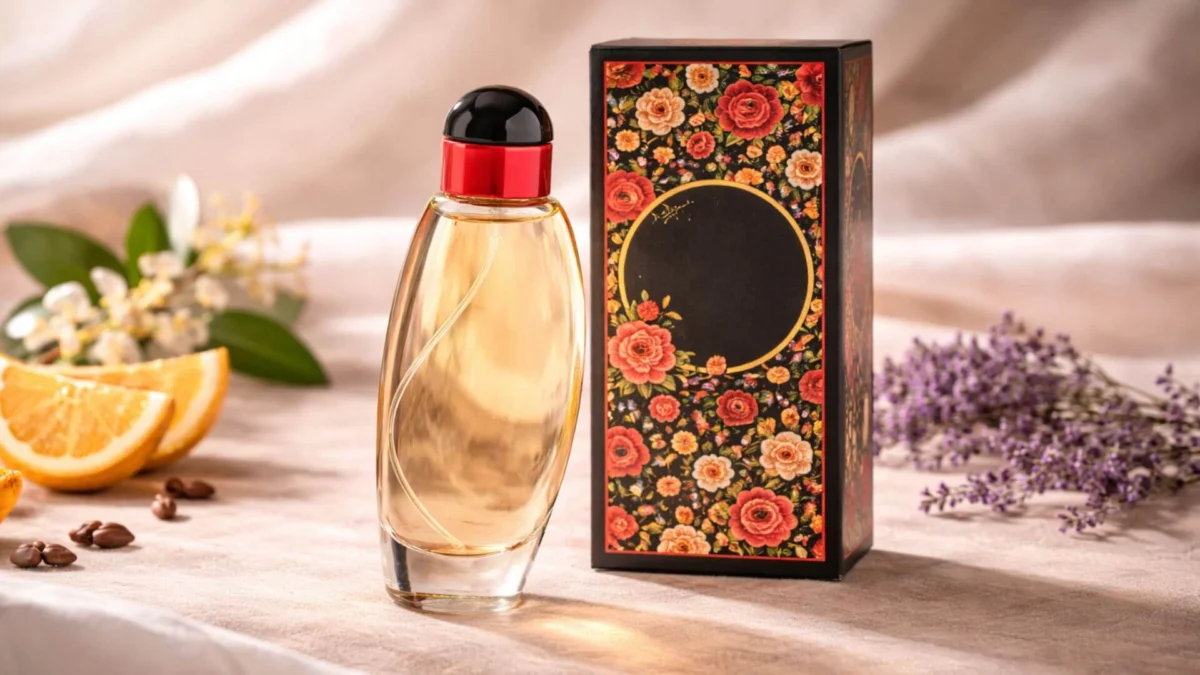
The year 1921 stands as a pivotal milestone in the history of global perfumery, marking the birth of fragrances that would eventually transcend their eras to become cultural institutions. Among these, the Spanish house Myrurgia introduced Maja, a scent that distilled the essence of Iberian aesthetics into a bottle. While the French houses of the time, such as Chanel and Guerlain, were experimenting with synthetic aldehydes and oriental resins, Myrurgia’s founder, Esteve Monegal Prat, sought to create a composition that balanced traditional Spanish floral notes with a sophisticated, modern edge. Today, Maja remains one of the few fragrances from the early 20th century that continues to enjoy widespread commercial availability and a place in the collective memory of multiple generations.
The Cultural Landscape of the Roaring Twenties
To understand the impact of Maja, one must look at the broader context of the 1920s. This was a decade characterized by a radical shift in social norms, particularly regarding femininity. The "flapper" era brought shorter hemlines, bobbed hair, and a demand for scents that were more daring than the simple, single-note floral waters of the Victorian age. In the 1920s, perfumery evolved into a complex art form, utilizing new extraction techniques and synthetic molecules to create "abstract" smells.
In Spain, this period was marked by an artistic renaissance. Myrurgia, founded in Barcelona in 1916, was at the forefront of this movement. The brand did not merely sell perfume; it sold a vision of Spanish identity that was both folkloric and avant-garde. The launch of Maja in 1921 coincided with the rise of Art Deco, a style that heavily influenced the brand’s iconic packaging and marketing. The image of the "Maja"—the elegant, spirited Spanish woman immortalized by painters like Francisco Goya—became the face of the fragrance, bridging the gap between historical romanticism and the modern 20th-century woman.

Olfactory Composition: A Technical Breakdown of Maja
Maja is categorized as an Oriental-Floral fragrance, though it possesses unique spicy and "clean" characteristics that set it apart from its contemporaries. Its longevity in the market is often attributed to a complex pyramid of notes that offers a multidimensional sensory experience.
The Top Notes: Immediate Freshness
Upon application, Maja presents a vibrant opening. The primary top notes include citrus oils and geranium. The citrus components provide a sharp, dry brightness, while the geranium offers a green, slightly metallic floralcy. Uniquely, the inclusion of a subtle tobacco accord in the opening provides a smoky, earthy undertone that prevents the citrus from becoming overly sweet. This is complemented by orange blossom (azahar), which introduces a delicate, honeyed whiteness.
The Heart Notes: Spices and Florals
The heart of the fragrance is where Maja reveals its true character. It utilizes a heavy concentration of cloves and carnation, two notes that were hallmarks of 1920s perfumery. These spices provide a "hot," peppery intensity. Nutmeg adds a woody warmth, while lavender introduces a herbal, soapy cleanliness that evokes the ritual of traditional Spanish grooming. A velvet-like rose note softens the spice, ensuring the composition remains balanced and feminine.
The Base Notes: Depth and Longevity
The dry-down of Maja is deep and resinous. It features patchouli, which provides an aroma of damp earth and wood. Benzoin and amber create a golden, balsamic sweetness, while tonka bean adds a hint of vanilla-like warmth. Leather notes are also present, giving the scent a sophisticated, dry finish that anchors the more volatile floral notes. This complex base is what allows the fragrance to linger on the skin, evolving over several hours from a fresh floral to a warm, skin-like musk.

The Artistic Vision of Esteve Monegal
The success of Maja was not due to the scent alone but also to the holistic artistic vision of Esteve Monegal. As a sculptor and violinist, Monegal viewed perfume bottles as pieces of art. He collaborated with renowned artists like Eduard Jener to design the labels and advertising posters. The Maja imagery—featuring a woman in a traditional mantilla with a fan—was a masterpiece of graphic design that helped the brand expand internationally. By the mid-1920s, Myrurgia was exporting to Paris, New York, and Latin America, competing directly with established French luxury houses.
Comparative Analysis: Maja vs. Arpège and the French School
While Maja represented the Spanish spirit, the 1920s also saw the rise of French classics that shared certain structural similarities while pursuing different aesthetic goals. A notable contemporary is Arpège by Lanvin, launched in 1927.
Arpège, created by Paul Vacher and André Fraysse, is often compared to Maja because both fragrances utilize a complex floral heart and a woody base. However, Arpège is famous for its heavy use of aldehydes—synthetic chemicals that give the perfume a "sparkling" or "fizzy" quality, reminiscent of expensive soap or chilled champagne. While Maja leans into the warmth of spices like cloves and nutmeg, Arpège emphasizes the powdery texture of iris and the creaminess of sandalwood.
The price points of these fragrances today reflect their different market positions. While Maja is positioned as an accessible heritage classic, often retailing for approximately €19.90, Arpège remains in the luxury tier, typically priced around €28.00 to €50.00 depending on the retailer. Despite the price difference, both perfumes are celebrated by critics for maintaining their original "DNA" despite decades of industry regulations and reformulations.

Chronology of Myrurgia and the Evolution of Maja
The history of Maja is intertwined with the corporate history of Spanish industry:
- 1916: Esteve Monegal Prat founds Myrurgia in Barcelona.
- 1921: Maja is launched, featuring the iconic artwork inspired by Spanish dance and folklore.
- 1925: Myrurgia wins the Grand Prix at the International Exhibition of Decorative and Industrial Arts in Paris, cementing its global reputation.
- 1940s-1950s: Maja becomes a staple in Spanish households, often gifted in elaborate sets including soaps and talcum powders.
- 2000: The Puig Group, a Spanish fashion and fragrance giant, acquires Myrurgia.
- 2020s: Maja experiences a resurgence as consumers seek "vintage" and "authentic" scents that offer a departure from the sugary-sweet gourmand fragrances dominant in the modern market.
Market Data and the Enduring Appeal of Heritage Scents
According to industry data from organizations like the Fragrance Foundation, there has been a 15% increase in the "heritage" segment of the perfume market over the last five years. Consumers are increasingly drawn to fragrances with a documented history, viewing them as more reliable and "soulful" than mass-marketed celebrity scents.
The affordability of Maja has been a key factor in its survival. By maintaining a price point below €20, the brand has ensured that the fragrance remains an everyday luxury. Market analysis suggests that Maja benefits from a "dual-consumer" base: older generations who purchase it out of nostalgia and younger "Gen Z" consumers who discover it through social media trends focusing on "old-money aesthetics" and "vintage vanity" aesthetics.
Implications for the Future of Spanish Perfumery
The continued success of Maja serves as a blueprint for other heritage brands. It demonstrates that a fragrance can survive for over a century if it possesses a strong visual identity and a unique olfactory profile. In a globalized market where many perfumes smell remarkably similar, the distinct spicy-clean profile of Maja offers a point of differentiation.

Furthermore, the fragrance industry is currently seeing a return to "slow beauty," where consumers value the craftsmanship and stories behind their products. Maja, with its roots in 1920s artistry and its connection to the cultural history of Spain, is perfectly positioned to capitalize on this trend. It is no longer just a "grandmother’s perfume"; it is a piece of liquid history.
Conclusion: A Fragrance That Defies Time
Maja by Myrurgia is more than an olfactory composition; it is a survivor of a bygone era that continues to resonate in the modern world. Through the clever use of traditional Spanish ingredients like geranium and azahar, combined with the sophisticated depth of amber and patchouli, it captured a specific moment in 1921 and preserved it for eternity. As it sits on the shelves alongside modern scents, it serves as a reminder that true elegance is not a matter of fleeting trends, but of a balanced character that can withstand the test of a century. Whether through its affordable price, its artistic heritage, or its complex aroma, Maja continues to prove that some classics never truly fade.


 Jia Lissa
 admin
admin
 Pevita Pearce
 Eva Lovia
 Julia Chirkova