
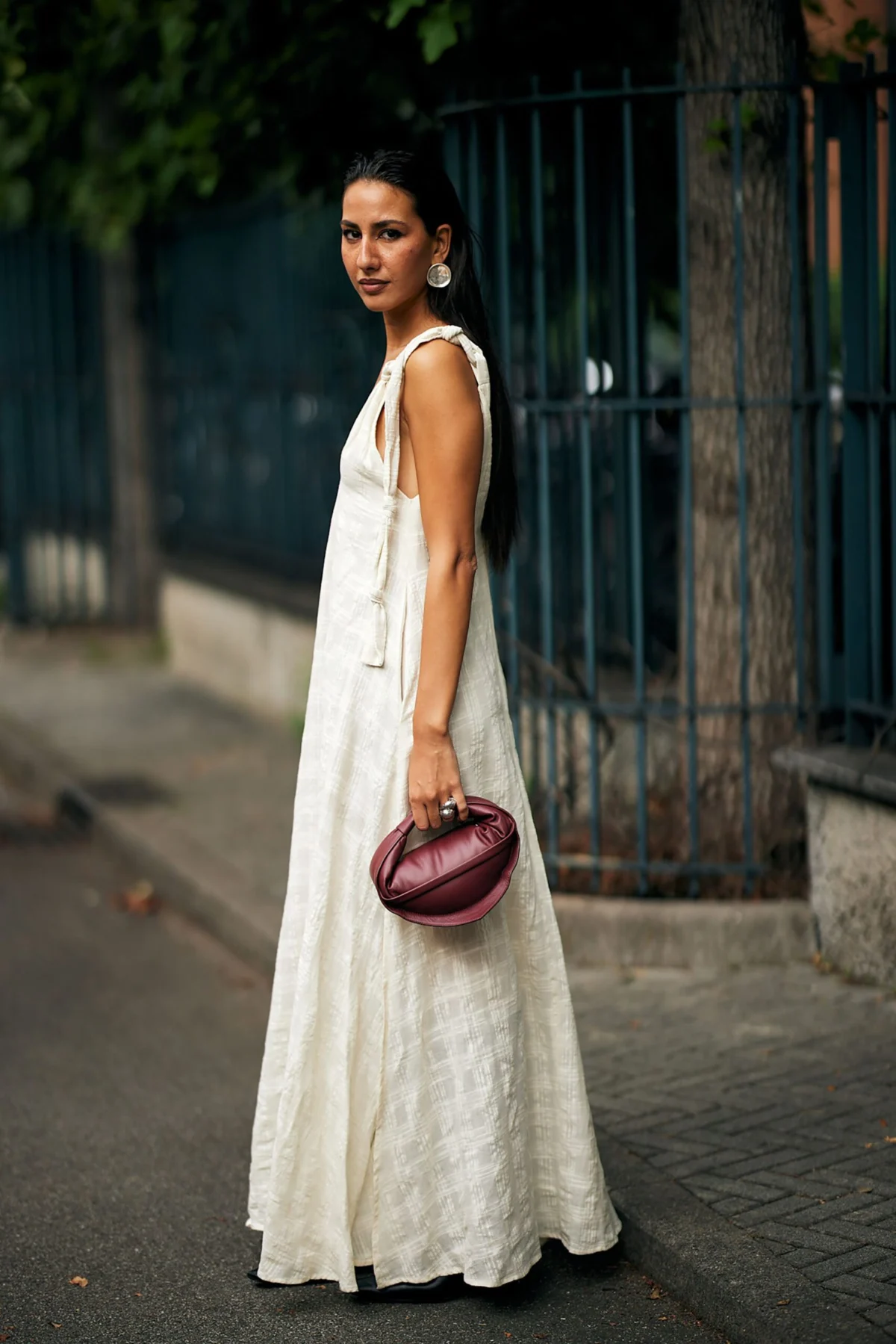
The global footwear market has witnessed a significant shift in consumer preferences leading into the Spring/Summer 2026 season, characterized by a convergence of traditional craftsmanship and modern ergonomic technology. Central to this movement is the resurgence of the espadrille, a shoe that has transitioned from a rustic Mediterranean staple to a cornerstone of contemporary high-fashion and daily wear. Market analysts and fashion historians note that the current demand for espadrilles—particularly models that prioritize foot health without sacrificing aesthetic appeal—reflects a broader "utility-boho" trend. Within this landscape, the Skechers Desert Kiss Sun model has emerged as a focal point for consumers seeking the "cool mom" aesthetic popularized by global style icons such as Jennifer Lopez, Queen Letizia of Spain, and Katie Holmes. This shift signifies more than a mere change in seasonal wardrobes; it represents a fundamental realignment of the footwear industry toward "comfort-first" luxury.
Historical Context: From Catalan Fields to the Global Runway
The espadrille, or alpargata, possesses a lineage that dates back over seven centuries. Originating in the Occitania and Catalonia regions of the Pyrenees, the shoe was characterized by its sturdy esparto rope sole and canvas upper. Historically worn by peasants and soldiers, its lightweight and breathable design made it ideal for the arduous climates of Southern Europe. The 20th century saw the espadrille’s first major transformation into a fashion item, largely credited to the creative intervention of Yves Saint Laurent in the early 1970s. By commissioning the Spanish manufacturer Castañer to create a wedged version of the flat rope shoe, Saint Laurent integrated the rustic silhouette into the world of haute couture.

In the 2026 fashion cycle, this trajectory has reached a new pinnacle. The modern consumer no longer views the espadrille as a disposable vacation accessory but as a versatile investment. The 2025-2026 revival of "Boho-Chic," led by creative directors at houses like Chloé and Isabel Marant, has provided the necessary cultural backdrop for brands like Skechers to introduce technical variations of this classic design. By merging the artisanal look of hand-woven raffia with the patented cushioning systems of athletic footwear, the industry has successfully modernized a centuries-old concept.
The Skechers Desert Kiss Sun: A Case Study in Market Adaptation
As the Spring 2026 season approaches, the Skechers Desert Kiss Sun has gained traction as a primary example of "hybrid footwear." While Skechers was traditionally viewed as a brand focused exclusively on performance and athletic walking shoes, its recent pivot into lifestyle and "elevated casuals" has proven financially lucrative. The Desert Kiss Sun model incorporates a traditional wedge silhouette wrapped in natural raffia, satisfying the aesthetic requirements of the boho trend. However, its success is largely attributed to the integration of the brand’s signature Memory Foam footbed.
Consumer data from major e-commerce platforms, including Amazon, indicates that the Desert Kiss Sun has maintained a high satisfaction rating, with over 40 five-star reviews appearing in the first quarter of the pre-season alone. This feedback loop highlights a specific demand among "Generation X" and "Millennial" demographics—often referred to in fashion media as the "cool mom" demographic—who prioritize footwear that can withstand long durations of activity while remaining visually compatible with seasonal trends like floral maxi dresses and midi skirts. The availability of the model in a spectrum of colors, including neutral beige, vibrant red, sky blue, and classic black, further enhances its market penetration by catering to diverse stylistic palettes.

Celebrity Influence and the "Royal Endorsement" Factor
The endorsement of the espadrille by high-profile figures has historically been a major driver of retail spikes. Queen Letizia of Spain has long been an ambassador for the style, frequently opting for Spanish-made espadrilles for official engagements during the warmer months. Her preference for the silhouette has signaled to the global market that the espadrille is an appropriate choice for formal and semi-formal contexts, effectively removing its "beach-only" stigma.
Similarly, figures like Jennifer Lopez and Katie Holmes have been instrumental in showcasing the "street-style" potential of the wedged espadrille. By pairing these shoes with high-end denim or artisanal crochet dresses, they have demonstrated a versatile "low-high" approach to dressing. This celebrity-driven narrative has created a trickle-down effect, where accessible brands like Skechers are sought after for providing the same visual silhouette as luxury labels but with the added benefit of mass-market availability and enhanced comfort features.
Technical Specifications and Design Innovations for 2026
The Spring/Summer 2026 iterations of the espadrille are defined by specific technical advancements. In the case of the Skechers Desert Kiss Sun, the design team focused on three key areas:

- Textural Contrast: The use of crochet detailing on the toe cap provides a vintage, handcrafted appeal that aligns with the "Cottagecore" and "Coastal Grandmother" aesthetics that remain influential in 2026.
- Sustainability in Materials: While the soles are primarily synthetic for durability, the aesthetic use of jute and raffia speaks to a growing consumer desire for natural-looking materials. Industry reports suggest that brands are increasingly looking into biodegradable rope alternatives to further align with global ESG (Environmental, Social, and Governance) standards.
- Ergonomic Geometry: Unlike traditional flat espadrilles, which often lack arch support, the 2026 models utilize a slight wedge. This elevation is preferred by podiatrists for reducing strain on the Achilles tendon, making the shoe a healthier alternative to completely flat sandals.
Styling and Seasonal Versatility: The 2026 Outlook
Fashion forecasters suggest that the 2026 season will be dominated by a return to "Effortless Femininity." This involves a reliance on garments that offer movement and breathability. The espadrille serves as the foundational footwear for several key looks:
- The Printed Maxi: Large-scale floral prints, such as those seen in recent Zara collections, provide a bold contrast to the neutral tones of a beige raffia wedge.
- Minimalist Monochrome: Pairing cream or white minimalist blouses with matching skirts and beige espadrilles creates a sophisticated, monochromatic look suitable for professional environments in warmer climates.
- Artisanal Crochet: The "boho" look is completed by pairing crochet-detailed footwear with dresses that feature similar open-knit patterns, emphasizing a cohesive, tactile aesthetic.
Economic Impact and Footwear Industry Trends
The rise of comfort-centric lifestyle shoes like those produced by Skechers reflects a broader economic trend within the footwear sector. According to market research, the global footwear market is projected to grow at a CAGR of 3.8% through 2028, with the "casual and lifestyle" segment outpacing "performance athletic." This growth is driven by the "work-from-anywhere" culture, which has permanently altered professional dress codes to favor comfort.
Major retailers have responded by diversifying their inventories. The integration of Skechers products into high-volume platforms like Amazon has democratized access to these trends, allowing for rapid stock turnover and data-driven restocking. This logistical efficiency ensures that when a specific model like the Desert Kiss Sun trends on social media platforms, the supply chain can meet the sudden surge in demand.

Implications for the Future of Seasonal Fashion
The longevity of the espadrille trend suggests a shift away from "fast fashion" cycles that prioritize temporary aesthetics over long-term utility. As consumers become more discerning, the "cool mom" archetype—defined by practicality, grace, and an eye for timeless silhouettes—is becoming the dominant influence for designers. The Spring/Summer 2026 season confirms that the espadrille has successfully navigated the transition from a historical relic to a modern necessity.
In conclusion, the popularity of the Skechers Desert Kiss Sun and similar models is not an isolated event but a symptom of a maturing market. By blending the heritage of the Mediterranean with the technological prowess of American footwear engineering, brands are providing a product that meets the complex needs of the modern woman. Whether through the lens of celebrity influence, technical innovation, or economic shifts, the espadrille remains an enduring symbol of summer elegance and functional design. As the industry moves forward, the focus will likely remain on refining these hybrids, ensuring that the footwear of the future is as comfortable as it is culturally resonant.

0 Comments