
 Eva Lovia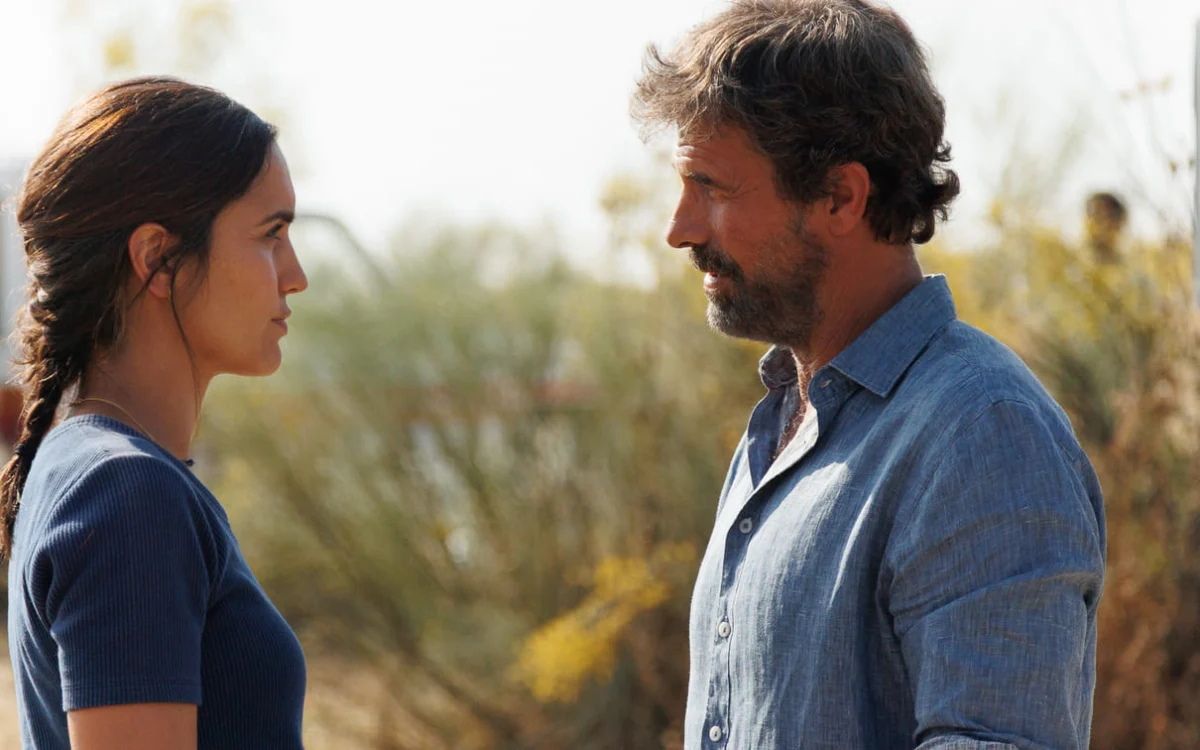
The highly acclaimed Spanish drama series, "Entre Tierras," is set to captivate audiences once again as its second season unfolds on the streaming platform atresplayer. The latest installment, released on Sunday, plunges viewers deeper into the tumultuous life of its central character, María, a woman who has become a symbol of resilience and strength in the face of overwhelming adversity. This new episode not only escalates the personal conflicts María grapples with but also reflects the broader societal and economic transformations of rural Spain during the period depicted. The series, which garnered significant attention for being the most-watched television series in Spain in 2024, continues to offer its premium subscribers early access to new episodes, a strategy that has proven effective in building anticipation ahead of its broadcast on the prime-time slot of Antena 3.
María’s Trials: Navigating Ruin and Resistance
The current arc of "Entre Tierras" places María at a critical juncture, two decades after the death of her husband, Manuel. Burdened with the responsibility of raising her children and managing the family estate, she finds herself perpetually battling an ever-changing environment. The narrative skillfully weaves together the modernization of agriculture, the persistent undercurrents of family disputes, and the stark social disparities that define her world. These external pressures are compounded by intensely personal emotional struggles, including profound grief and the inconvenient blossoming of love, adding layers of complexity to her character and her choices.
The third episode of the season ratchets up the tension to an almost unbearable degree. Facing financial ruin and hounded by creditors, María makes a decisive move that could irrevocably alter her destiny: she resolves to modernize the family estate to ensure its survival. This bold initiative, however, is met with considerable resistance. The very workers who depend on the estate express deep-seated mistrust of the proposed changes, their apprehension rooted in tradition and fear of the unknown. Furthermore, her family members also view her decision with skepticism, unwilling to embrace a path that deviates so drastically from established norms and practices. This internal conflict within the estate mirrors the broader societal shifts occurring, where tradition and modernity clash.
Toscano’s Entanglement: Loyalty, Love, and Hidden Secrets
In parallel to María’s struggles, Toscano finds himself ensnared in his own intricate web of conflicts. Torn between his loyalty to his employer and his burgeoning feelings for María, the character harbors a significant secret at home. This clandestine burden adds another layer of pressure to his already precarious situation. While his storyline progresses with a quiet intensity, it carries a palpable emotional weight, hinting at an impending eruption that could have far-reaching consequences for all involved. The character’s internal turmoil and the potential fallout of his hidden actions are central to the unfolding drama, contributing to the series’ reputation for suspenseful plot developments.
Manuela’s Rebellion: A Love That Threatens Stability
Adding another critical dimension to the episode, Manuela emerges as a focal point of escalating familial tension. Her increasingly defiant attitude leads her to fall for the son of her mother’s sworn enemy. This forbidden romance poses a grave threat to the delicate equilibrium of the family, pushing the already strained mother-daughter relationship to its breaking point. The inevitable clash between mother and daughter occurs at a moment when María is most in need of familial unity and support, amplifying the stakes of her personal and professional challenges. The generational conflict and the consequences of romantic choices in a deeply divided social landscape are explored with raw emotional honesty.
The Enduring Appeal of "Entre Tierras"
The series, anchored by the compelling performance of Megan Montaner in the lead role, remains steadfast in its commitment to delivering an emotionally resonant and relatable narrative. This is further bolstered by a strong ensemble cast that includes esteemed actors such as Rodolfo Sancho, Silvia Abascal, and Ginés García Millán, among others. Each episode, typically around 50 minutes in length, showcases meticulous attention to detail in its production, particularly in the choice of authentic rural locations. "Entre Tierras" continues its exploration of a Spain undergoing profound rural transformation, where every decision carries significant and often unpredictable consequences.
The enduring success of "Entre Tierras" can be attributed to its potent combination of a tenacious protagonist who refuses to yield, conflicts that resonate with a sense of lived reality, and plot twists that rigorously test the strength of the most profound bonds. In this latest episode, María finds herself pushed to the absolute limit, and the question of whether her resilience will be enough to overcome the mounting challenges looms large. The series has consistently demonstrated its ability to connect with audiences by portraying the raw human experience against a backdrop of historical and social change, making it a standout in contemporary television drama.
Contextualizing the Series’ Success and Societal Resonance
"Entre Tierras," adapted from the Italian series "La Storia," made its debut in September 2023 and quickly became a television phenomenon. Its initial season achieved an average audience share of 14.3% and an average of 1,390,000 viewers, establishing it as the most-watched fiction series of the year. This impressive viewership translated into an average of 17.1% share in the young adult demographic (16-34 years), highlighting its appeal to a broad audience. The series’ premiere on Antena 3 was watched by 1,799,000 viewers, a strong start that set the stage for its subsequent success.
The narrative of "Entre Tierras" is set against the backdrop of Spain in the 1960s, a period of significant societal and economic upheaval. The country was transitioning from a predominantly agricultural economy to one increasingly influenced by industrialization and modernization. This era was marked by stark contrasts between traditional rural life and the burgeoning urban centers, as well as significant social stratification. The series expertly captures the challenges faced by women in this patriarchal society, particularly those in rural areas, who often bore the brunt of economic hardship and social constraints. María’s journey reflects the broader struggles of a generation grappling with profound change, where land ownership, labor rights, and family honor were deeply intertwined.
The decision to adapt "La Storia" for the Spanish market was strategic, tapping into a desire for compelling period dramas that explore universal themes of love, loss, and survival. The original Italian series, based on the novel by Elsa Morante, is a powerful exploration of post-war Italy, and its transposition to the Spanish context allows for a nuanced examination of Spain’s own post-war recovery and subsequent development. The historical accuracy and emotional depth of the series have been widely praised by critics, contributing to its critical acclaim and audience engagement.
Analyzing the Broader Impact and Future Trajectories
The current trajectory of "Entre Tierras" season two suggests a continued exploration of María’s agency and her capacity to adapt and thrive in the face of adversity. Her decision to modernize the estate, while met with resistance, signifies a forward-thinking approach that challenges the status quo. This element of her character is crucial to the series’ appeal, as it showcases a protagonist who is not merely a victim of circumstance but an active agent in shaping her own future.
The interwoven storylines of Toscano and Manuela add significant dramatic tension and promise further complications. Toscano’s internal conflict and hidden secret suggest a potential for betrayal or a moral dilemma that could impact María directly. Manuela’s burgeoning romance with the son of an adversary represents a classic trope of forbidden love that often leads to dramatic confrontations and familial ruptures, particularly within the context of honor and reputation that were paramount in the era.
The series’ sustained popularity indicates a strong audience appetite for well-crafted historical dramas that tackle complex social issues with emotional depth. The success of "Entre Tierras" on both streaming and linear television platforms underscores the evolving landscape of media consumption, where audiences engage with content across multiple platforms. The continued anticipation for new episodes suggests that "Entre Tierras" is poised to remain a significant player in the Spanish television landscape, offering viewers a compelling blend of historical context, personal drama, and enduring human spirit. The series’ commitment to exploring the nuances of rural life and the challenges of social transformation ensures its continued relevance and appeal to a wide demographic.



 Julia Chirkova
 Julia Prastini
 Nila Kartika Wati
 Lina Irawan
 Jia Lissa