
The highly anticipated sequel to the 2021 cinematic reboot of the Mortal Kombat franchise has officially transitioned from theaters to the streaming world, marking a significant milestone for Warner Bros. Discovery and fans of the long-running fighting game series. After a wait of 1,928 days—roughly five years since the previous installment debuted—Mortal Kombat 2 is now available for subscribers on HBO Max. The film arrives on the platform following a successful 78-day exclusive theatrical window, during which it garnered over $129 million at the global box office, a figure that notably surpassed the financial performance of its predecessor.
This release represents a strategic shift for the franchise, moving away from the day-and-date streaming model that characterized the 2021 film’s debut during the height of the global pandemic. While the first film was a massive success for HBO Max, recording over 5.6 million views in its opening weekend and becoming the platform’s most-watched title at the time, Mortal Kombat 2 was allowed to breathe in a traditional theatrical environment before becoming a centerpiece of the service’s digital library.
The Evolution of the Mortal Kombat Cinematic Universe
The journey to Mortal Kombat 2 began immediately following the commercial success of the 2021 reboot directed by Simon McQuoid. While the first film was praised for its visual effects, costume design, and R-rated violence, it faced criticism from the core gaming community for its departure from established lore. Specifically, the introduction of a new protagonist, Cole Young, and the absence of franchise staple Johnny Cage were points of contention.
The production of the sequel, however, was framed as a direct response to those critiques. By incorporating Ed Boon, the co-creator of the original video game series, as a creative consultant and producer, the filmmakers aimed to align the narrative more closely with the source material. This involvement ensured that the "Fatalities," character motivations, and world-building elements reflected the nuances of the games, particularly drawing inspiration from the storylines found in Mortal Kombat 2, Mortal Kombat 3, and the modern "reboot" titles, Mortal Kombat 9 and 11.
The development timeline was extended by several factors, including the 2023 industry-wide strikes by the Writers Guild of America (WGA) and the Screen Actors Guild (SAG-AFTRA), which paused filming in Australia. Despite these delays, the production maintained high expectations, culminating in a May 2026 theatrical release that solidified the franchise’s viability as a big-screen spectacle.

Narrative Expansion and Character Fidelity
Mortal Kombat 2 picks up the narrative threads left by the 2021 film, focusing on the high-stakes tournament that decides the fate of Earthrealm. In the established lore, Earthrealm stands on the brink of subjugation. Having lost nine consecutive tournaments to the forces of Outworld, the defenders of Earth must win the tenth and final tournament to prevent the sorcerer-conqueror Shao Kahn from merging the realms.
The sequel’s narrative primary achievement is its shift in focus toward the iconic roster of the video games. While Cole Young remains part of the ensemble, the spotlight is shared with a much larger and more familiar cast. The film introduces Shao Kahn as the primary antagonist, a move that provides a more formidable and "boss-level" threat than the previous film’s Shang Tsung.
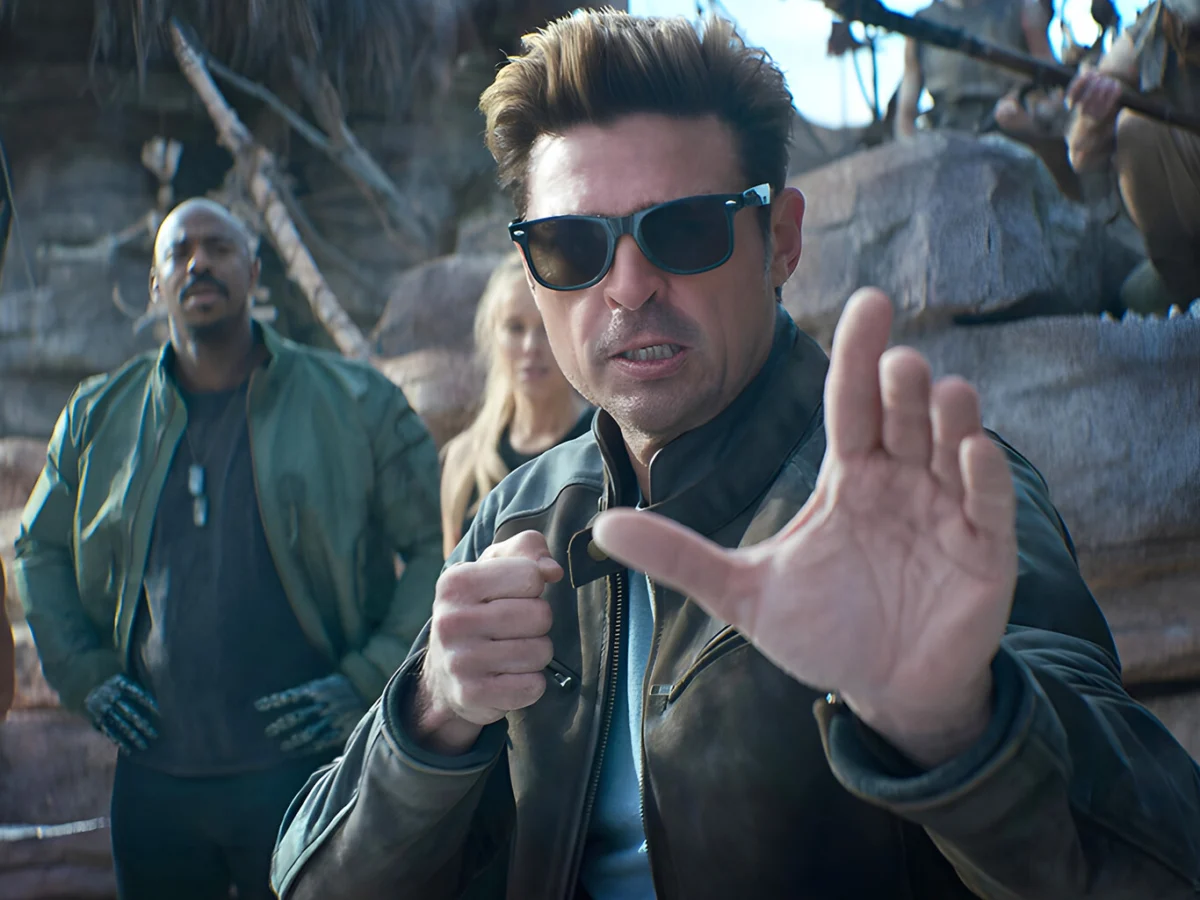
The casting of Karl Urban as Johnny Cage has been cited by critics and fans alike as the film’s standout element. Urban’s portrayal of the narcissistic, high-kicking Hollywood star provides a necessary comedic relief and meta-commentary on the absurdity of the Mortal Kombat world, bridging the gap between the film’s gritty violence and the games’ inherent campiness. Other notable additions include the introduction of Kitana, Jade, and Sindel, who bring the complex political intrigue of Outworld’s royalty to the screen.
Technical Execution and Artistic Direction
A core appeal of the Mortal Kombat franchise is its uncompromising approach to violence, a tradition that the sequel elevates through advanced practical effects and CGI. The film features a series of "Fatalities"—the signature finishing moves from the games—recreated with forensic detail. These sequences were choreographed by leading martial arts experts to ensure that the physical combat remained grounded even as characters utilized supernatural "Arcana" powers.
The film’s cinematography and production design also saw a notable budget increase. The diverse landscapes of Outworld, ranging from the eerie Flesh Pits to the opulent throne rooms of Shao Kahn, were realized with a blend of massive physical sets and cutting-edge digital environments. This visual fidelity extends to the costume design, which sought to replicate the iconic silhouettes of the game characters while providing a functional, battle-worn aesthetic suitable for live-action.
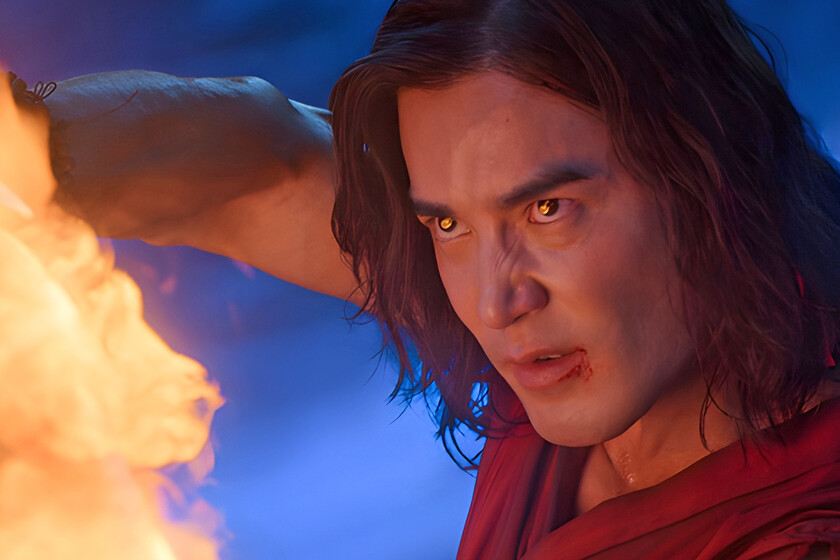
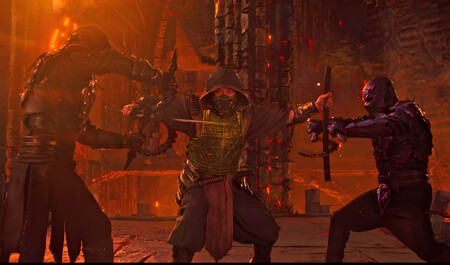
The involvement of Ed Boon is perhaps most evident in the specific fight choreography. Fans have noted that the move sets used by characters like Scorpion, Bi-Han (who transitions into the shadow-wraith Noob Saibot in this installment), and Kung Lao are frame-accurate recreations of their digital counterparts. A climactic battle between Liu Kang and Kung Lao has been highlighted as a technical masterclass in martial arts filmmaking, blending traditional wushu techniques with modern visual effects.

Financial Performance and Industry Implications
The $129 million box office haul of Mortal Kombat 2 is a significant indicator of the "video game adaptation" boom currently sweeping the entertainment industry. Following in the footsteps of successful adaptations like The Last of Us, Fallout, and The Super Mario Bros. Movie, Mortal Kombat 2 proves that niche gaming properties can achieve mainstream success when they balance fan service with high-quality production values.
For Warner Bros. Discovery, the 78-day window before the HBO Max release represents a "goldilocks" strategy for mid-to-high budget genre films. By maximizing theatrical revenue first, the studio ensures the film’s status as a premium event, which in turn drives higher engagement when the title eventually hits the streaming platform. Early data suggests that the film’s arrival on HBO Max has already triggered a surge in viewership for the 2021 original, as well as the animated Mortal Kombat Legends series, indicating a "halo effect" for the entire franchise library.
Official Responses and Fan Reception
While official statements from the studio have focused on the film’s commercial success, creative leads have been more vocal about the narrative direction. Director Simon McQuoid stated in several press junkets that the goal of the sequel was to "expand the canvas" and "repay the patience of the fans who have stayed with the franchise for decades."
Ed Boon’s cameo and active promotion of the film have served as a "seal of approval" for the gaming community. On social media platforms, the reception has been markedly more positive than that of the 2021 film, with particular praise directed at the improved pacing and the more faithful depiction of the Netherrealm and Outworld mythologies. The inclusion of Quan Chi and the exploration of the rivalry between Scorpion and the newly reborn Noob Saibot have been cited as highlights that set the stage for future installments.
Broader Impact and the Future of the Franchise
The arrival of Mortal Kombat 2 on streaming is not merely the end of a release cycle but the beginning of a broader expansion for the intellectual property. The film’s ending explicitly sets the stage for a third chapter, hinting at the "Mortal Kombat" tournament itself finally taking place in its full, formalized glory, potentially involving even more cosmic threats like Shinnok or the Elder Gods.
Furthermore, the success of the film has sparked rumors of spin-off series for HBO Max, potentially focusing on the origins of the Shirai Ryu and Lin Kuei clans or a procedural-style series following the Special Forces unit led by Sonya Blade and Jax Briggs.
In conclusion, Mortal Kombat 2 serves as a successful case study in franchise management. By acknowledging the shortcomings of the first film, leaning into the deep lore of the source material, and utilizing a traditional theatrical-to-streaming release model, Warner Bros. has solidified Mortal Kombat as a pillar of its action cinema portfolio. For subscribers of HBO Max, the film offers a high-octane, visually stunning experience that honors the legacy of one of gaming’s most storied franchises while pushing the boundaries of what video game adaptations can achieve on screen.

0 Comments