
 Nila Kartika Wati
The global streaming landscape is set for a significant shift as Netflix prepares to remove the entire James Bond 007 film collection from its library on April 20, 2026. This departure marks the end of a high-profile licensing agreement that allowed the world’s most famous secret agent to reside on the platform, encompassing 25 official films spanning over six decades of cinematic history. The move is widely viewed by industry analysts as a strategic consolidation of intellectual property, following Amazon’s landmark acquisition of Metro-Goldwyn-Mayer (MGM) for $8.45 billion in 2022. As the expiration date approaches, subscribers are facing a limited window to engage in a comprehensive marathon of the franchise that defined the modern spy genre.
The Evolution of a Cinematic Icon: Six Decades of 007
The James Bond franchise, based on the novels by Ian Fleming, is one of the longest-running and most successful series in film history. Since the premiere of Dr. No in 1962, the character has served as a cultural barometer, reflecting the geopolitical tensions, technological advancements, and shifting social norms of each era. The collection currently on Netflix offers a rare opportunity to witness this evolution chronologically, showcasing the distinct contributions of the six actors who have officially donned the tuxedo.
The journey begins with Sean Connery, whose portrayal established the fundamental DNA of the character: a blend of ruthless efficiency and sophisticated charm. His tenure, which includes classics like Goldfinger (1964) and From Russia with Love (1963), set the standard for action cinema. Following a brief departure with George Lazenby in On Her Majesty’s Secret Service (1969)—a film now praised for its emotional depth and cinematography—the franchise transitioned into the Roger Moore era. Moore’s portrayal introduced a lighter, more humorous tone characterized by extravagant gadgets and increasingly fantastical plots, such as those found in The Spy Who Loved Me (1977) and Moonraker (1979).
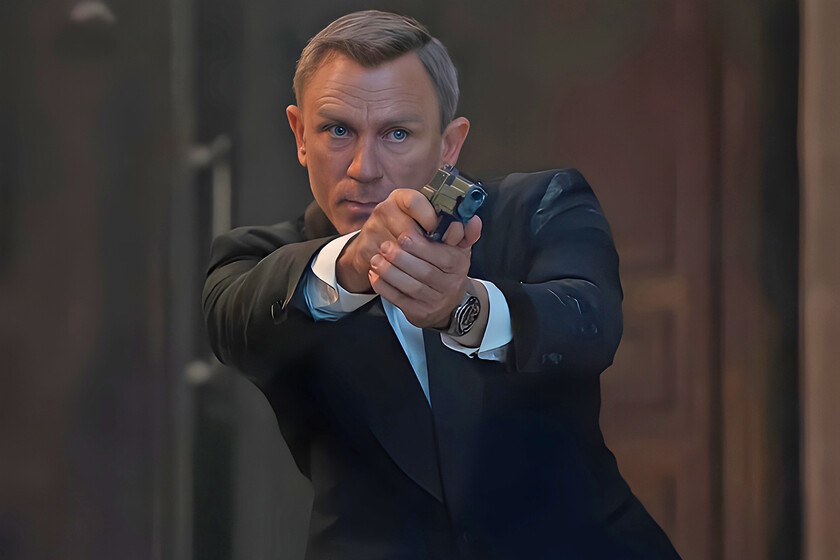
In the late 1980s, Timothy Dalton brought a darker, more brooding interpretation that stayed closer to Fleming’s original literary vision. Though his two films, The Living Daylights (1987) and Licence to Kill (1989), were polarizing at the time, they are now credited with laying the groundwork for the gritty realism of modern Bond. Pierce Brosnan’s entry in the 1990s with GoldenEye (1995) successfully revitalized the franchise for a post-Cold War audience, blending high-octane action with traditional Bond elegance. Finally, the Daniel Craig era, beginning with Casino Royale (2006) and concluding with No Time to Die (2021), introduced a serialized narrative structure and a vulnerable, more humanized version of the character that resonated deeply with 21st-century viewers.
Chronology of the 007 Franchise Leaving Netflix
The following timeline illustrates the release history of the films included in the departing catalog, representing the massive volume of content exiting the platform:
- The Connery Era (1962–1971): Dr. No, From Russia with Love, Goldfinger, Thunderball, You Only Live Twice, Diamonds Are Forever.
- The Lazenby Interlude (1969): On Her Majesty’s Secret Service.
- The Moore Era (1973–1985): Live and Let Die, The Man with the Golden Gun, The Spy Who Loved Me, Moonraker, For Your Eyes Only, Octopussy, A View to a Kill.
- The Dalton Era (1987–1989): The Living Daylights, Licence to Kill.
- The Brosnan Era (1995–2002): GoldenEye, Tomorrow Never Dies, The World Is Not Enough, Die Another Day.
- The Craig Era (2006–2021): Casino Royale, Quantum of Solace, Skyfall, Spectre, No Time to Die.
The Business of Bond: The MGM-Amazon Acquisition
The departure of the James Bond library from Netflix is a direct consequence of the shifting tides in corporate media ownership. In May 2021, Amazon announced its intention to acquire MGM, the storied Hollywood studio that co-owns the Bond franchise alongside Eon Productions. The deal was finalized in March 2022, granting Amazon control over a vast catalog of more than 4,000 films and 17,000 TV shows.
For Amazon, James Bond is the "crown jewel" of this acquisition. While Eon Productions, led by Barbara Broccoli and Michael G. Wilson, maintains creative control over the character and future casting, Amazon now holds the distribution rights. Industry experts suggest that the presence of Bond on Netflix was the result of legacy licensing agreements signed before the Amazon merger. As these contracts expire, Amazon is systematically moving its premium content to Prime Video to bolster its own streaming value proposition and drive subscriptions.

Supporting Data: The Economic Power of 007
The James Bond franchise is not merely a cultural phenomenon but a massive economic engine. The following data highlights the scale of the intellectual property Netflix is losing:
- Box Office Performance: The 25 official films have collectively grossed over $7.8 billion at the global box office. When adjusted for inflation, that figure exceeds $19 billion, making it one of the top five highest-grossing film franchises in history.
- Critical Acclaim: The series has earned multiple Academy Awards, including wins for Best Sound Editing (Skyfall) and Best Original Song (Skyfall, Writing’s on the Wall, and No Time to Die).
- Viewership Longevity: Unlike many action franchises that lose relevance, Bond films maintain high "rewatchability" scores. Data from streaming analytics firms suggests that Bond films consistently rank in the top tier of "evergreen" content, providing steady engagement for platforms during periods between new blockbuster releases.
Industry Implications and the "Streaming Wars"
The exit of 007 from Netflix is a poignant example of the "fragmentation" currently plaguing the streaming industry. In the early 2010s, Netflix acted as a centralized hub for diverse studio content. Today, the "Streaming Wars" have forced major studios—Disney, Warner Bros. Discovery, Paramount, and now Amazon/MGM—to pull their content back into "walled gardens."
For Netflix, the loss of the Bond catalog represents a significant blow to its library of third-party prestige content. While Netflix has pivoted toward producing original films like The Gray Man and Red Notice to fill the void of the spy thriller genre, these titles often lack the multi-generational brand loyalty associated with James Bond.
Market analysts from firms such as MoffettNathanson suggest that this trend of content "re-homing" will continue to accelerate. "Platforms are no longer content with just being distributors; they want to be owners," noted one senior analyst. "Losing a franchise as deep and storied as James Bond forces Netflix to rely even more heavily on its original IP, which is a higher-risk, higher-reward strategy."

Future Availability: Where to Watch After April 20
Following the April 20 deadline, the distribution of James Bond films will become more segmented. Amazon Prime Video will become the primary destination for the franchise. According to current distribution plans:
- Amazon Prime Video: A rotating selection of Bond titles will be available at no additional cost to Prime members.
- Prime Video Channels (Universal+): Certain titles, particularly more recent entries, may require an additional subscription to partner channels like Universal+.
- Transactional VOD: All 25 films will remain available for individual digital purchase or rental on platforms such as Apple TV, Google Play, and the Amazon Store.
The Search for the Next 007
As the films exit Netflix, the franchise itself is at a historic crossroads. Following Daniel Craig’s departure in No Time to Die, Eon Productions is currently in the process of "reinventing" the character for a new generation. Barbara Broccoli has stated that the next Bond will be a "thirty-something" actor and that the producers are looking for a long-term commitment of at least a decade.
The transition of the back catalog to Amazon Prime Video coincides with this period of creative development. Analysts speculate that Amazon may use its platform to host unscripted Bond-themed content—such as the recently released 007: Road to a Million—to keep the brand active during the hiatus between films.
Conclusion: A Final Call for Subscribers
For fans of cinema, the James Bond collection on Netflix represents more than just entertainment; it is a visual history of the last 60 years of filmmaking technology, fashion, and music. The departure of these films on April 20, 2026, marks the end of an era for Netflix and a significant win for Amazon’s ecosystem. Viewers intending to complete the 25-film marathon are advised to begin immediately, as the sheer volume of content—totaling approximately 52 hours of footage—requires a disciplined viewing schedule before the world’s most famous spy officially changes his digital home.


 Eva Lovia
 Julia Chirkova
 Julia Prastini
 Lina Irawan
 Jia Lissa