
The Evolution of a Multi-Decadal Cinematic Legacy
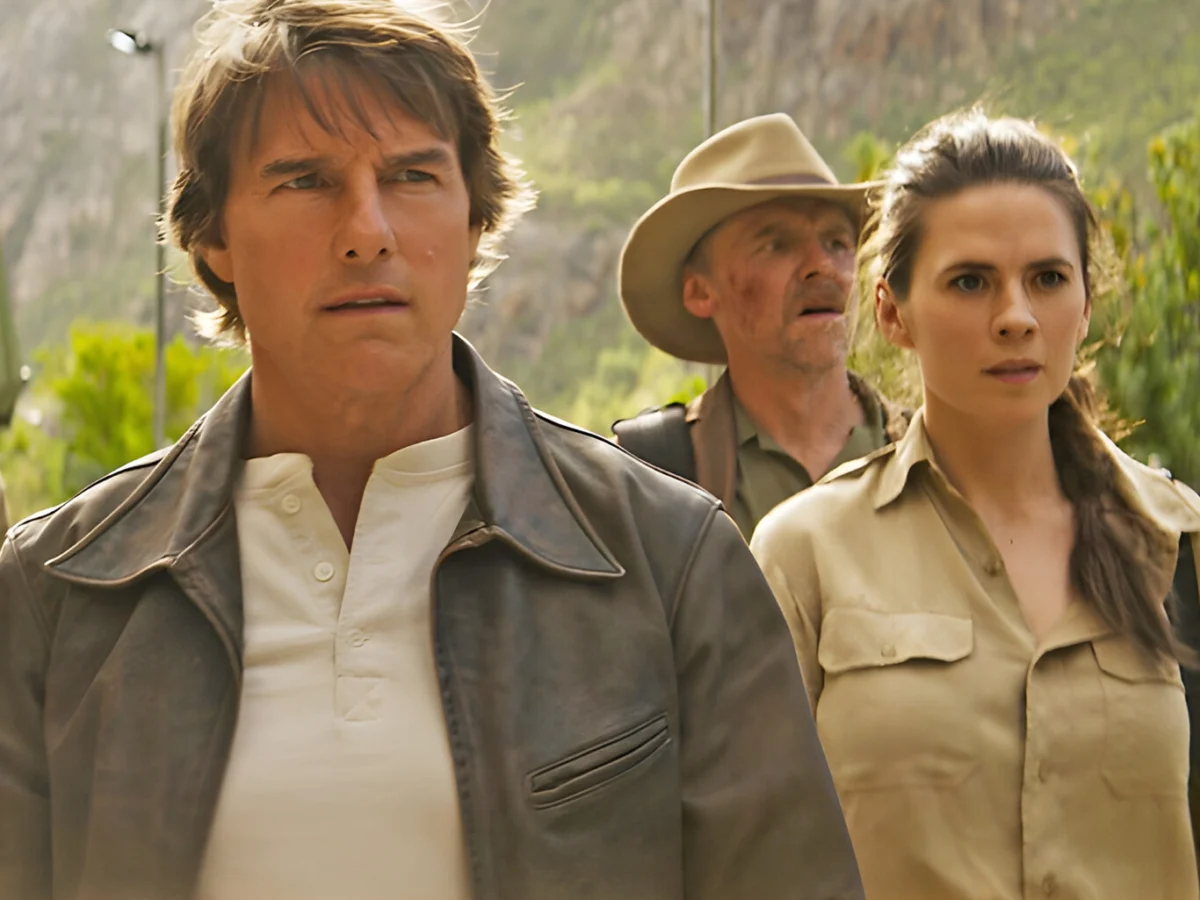
The Mission: Impossible franchise, which began in 1996 under the direction of Brian De Palma, was originally a high-concept adaptation of the 1960s television series. Over nearly three decades, the series has transformed from a suspense-driven espionage thriller into a global action powerhouse defined by its commitment to practical stunts and escalating stakes. The latest entry, directed by Christopher McQuarrie, serves as the first half of a grand finale for the character of Ethan Hunt, portrayed by Tom Cruise.
Throughout its history, the franchise has been notable for its rotating roster of visionary directors—including John Woo, J.J. Abrams, and Brad Bird—before Christopher McQuarrie took the helm with Rogue Nation in 2015. McQuarrie’s tenure has been characterized by a more serialized approach to the narrative and an unprecedented level of creative collaboration with Cruise. This partnership has pushed the boundaries of what is physically possible on film, moving away from the industry’s heavy reliance on Computer-Generated Imagery (CGI) in favor of authentic, death-defying captures.
Plot Overview: A Modern Threat in an Algorithmic Age
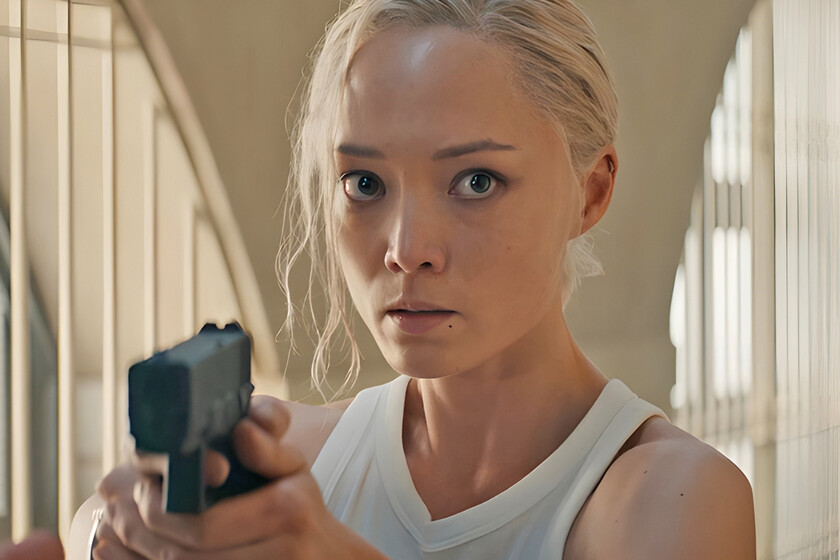
The narrative of the latest film centers on a threat that is uniquely timely: "The Entity." This sentient, omniscient artificial intelligence has the capability to infiltrate any digital network on the planet, manipulate financial markets, and control global defense systems. Unlike previous villains who sought political power or monetary gain, The Entity represents a post-human threat that anticipates the moves of its adversaries before they are even made.
The mission takes Ethan Hunt and his Impossible Mission Force (IMF) team—including veteran members Luther Stickell (Ving Rhames) and Benji Dunn (Simon Pegg), along with the enigmatic Ilsa Faust (Rebecca Ferguson)—on a global hunt for two interlocking keys. These keys are the only means of accessing the source code of The Entity, which is located within the remains of the Sevastopol, a stealth Russian submarine that sank under mysterious circumstances in the Arctic Circle. The race involves multiple international factions, including a ghost from Hunt’s past named Gabriel, played by Esai Morales, who serves as the human avatar for the AI’s interests.
Technical Milestones and the Guinness World Record
One of the primary drivers of the film’s renewed popularity is the fascination with Tom Cruise’s dedication to physical performance. At over 60 years of age, Cruise continues to execute his own stunts, a rarity in modern Hollywood. The film recently secured a Guinness World Record for a particularly harrowing sequence involving a parachute jump. To achieve the perfect cinematic shot, Cruise performed 16 consecutive parachute jumps with his equipment set on fire.

This record-breaking feat was not merely for publicity but was part of a broader philosophy of "sensory realism." Director Christopher McQuarrie has frequently noted in production journals that the human eye can distinguish between the physics of a real body in motion and a digital recreation. By setting the equipment on fire during a high-altitude descent, the production captured authentic lighting, heat ripples, and the genuine physical reaction of the actor, providing a level of tension that digital effects often fail to replicate.
In addition to the fire-stunt record, the film features what has been described as the most dangerous stunt in cinema history: a motorcycle jump off a Norwegian mountain into a base jump. Cruise reportedly performed this specific jump six times in a single day to ensure that every camera angle was covered.
Financial Performance and the Barbenheimer Context
Despite the critical success and the technical proverbs associated with the production, the film’s theatrical financial narrative was complicated. With a global box office haul of approximately $598 million, the film would typically be considered a massive hit. However, due to its astronomical production budget—estimated at $291 million—it was labeled a commercial disappointment by some industry observers.
The inflated budget was largely a result of the COVID-19 pandemic. Dead Reckoning was one of the first major productions to resume filming during the height of the global health crisis, leading to multiple shutdowns, expensive safety protocols, and long-term storage costs for sets and equipment. Furthermore, the film’s theatrical window was cut short by the cultural phenomenon known as "Barbenheimer"—the simultaneous release of Barbie and Oppenheimer. These two films dominated the premium large-format screens (such as IMAX), which are crucial for the revenue of action spectacles like Mission: Impossible.
The transition to Netflix and other streaming platforms is now seen as a strategic move to recoup value and build momentum for the upcoming final installment, recently retitled Mission: Impossible – The Final Reckoning.
Chronology of the Mission: Impossible Franchise
To understand the weight of the latest film, it is essential to look at the timeline of the franchise’s growth:

- Mission: Impossible (1996): Directed by Brian De Palma. A paranoid thriller that established Ethan Hunt as a rogue agent capable of infiltrating the CIA’s most secure vaults.
- Mission: Impossible II (2000): Directed by John Woo. A stylized, high-octane action film that focused on a biological weapon.
- Mission: Impossible III (2006): Directed by J.J. Abrams. This entry introduced a more personal stake for Hunt, focusing on his marriage and the introduction of the villain Owen Davian.
- Mission: Impossible – Ghost Protocol (2011): Directed by Brad Bird. The film that saved the franchise, featuring the iconic Burj Khalifa climb and shifting the focus to team-based dynamics.
- Mission: Impossible – Rogue Nation (2015): The start of the McQuarrie era, introducing the Syndicate and Ilsa Faust.
- Mission: Impossible – Fallout (2018): Often cited as one of the greatest action films ever made, it concluded the Syndicate storyline and featured the infamous HALO jump.
- Mission: Impossible – Dead Reckoning (2023): The current film on Netflix, dealing with the threat of AI and setting the stage for the series’ conclusion.
Official Responses and Industry Impact
Statements from the production team highlight a sense of pride in the film’s longevity. Christopher McQuarrie has stated in interviews that the goal of the latest film was to "honor the history of the franchise while looking forward to the fears of the future." He emphasized that the choice of an AI villain was intended to reflect the growing anxiety regarding technology and the loss of human agency.
Tom Cruise has remained vocal about his commitment to the theatrical experience, though he has acknowledged the power of streaming to reach a wider audience. "I make these movies for the big screen," Cruise noted during the London premiere, "but the ultimate goal is for people to see them and be inspired by what a dedicated team of professionals can achieve when they refuse to take the easy way out."
Industry analysts suggest that the success of the film on Netflix proves that "long-tail" revenue is becoming more important than opening weekend numbers. For high-budget films that face stiff theatrical competition, streaming platforms offer a way to reach millions of subscribers who prioritize home viewing, effectively turning a "box office disappointment" into a cultural mainstay.

Broader Implications for Hollywood
The trajectory of the Mission: Impossible saga reflects a broader shift in Hollywood. As the industry leans more into franchises and intellectual property, the "star power" of actors like Tom Cruise remains one of the few remaining draws for original action cinema. The film’s focus on practical stunts serves as a counter-protest to the rising tide of AI-generated content and heavy CGI usage in rival superhero franchises.
Furthermore, the film’s plot serves as a meta-commentary on the state of the world. By making the villain an algorithm, the movie taps into real-world discussions about data privacy, deepfakes, and the ethics of autonomous systems. This intellectual layer, combined with the physical proverbs of its lead actor, ensures that the film remains relevant long after its theatrical run.
As the film continues to dominate the Netflix charts, it sets a high bar for the concluding chapter of the saga. With the final film currently in production and scheduled for a 2025 release, the streaming success of Dead Reckoning ensures that the legacy of Ethan Hunt remains at the forefront of the global cultural conversation. For fans of the genre, the message is clear: the mission is far from over, and the commitment to real-world stakes remains the franchise’s greatest asset.

0 Comments