
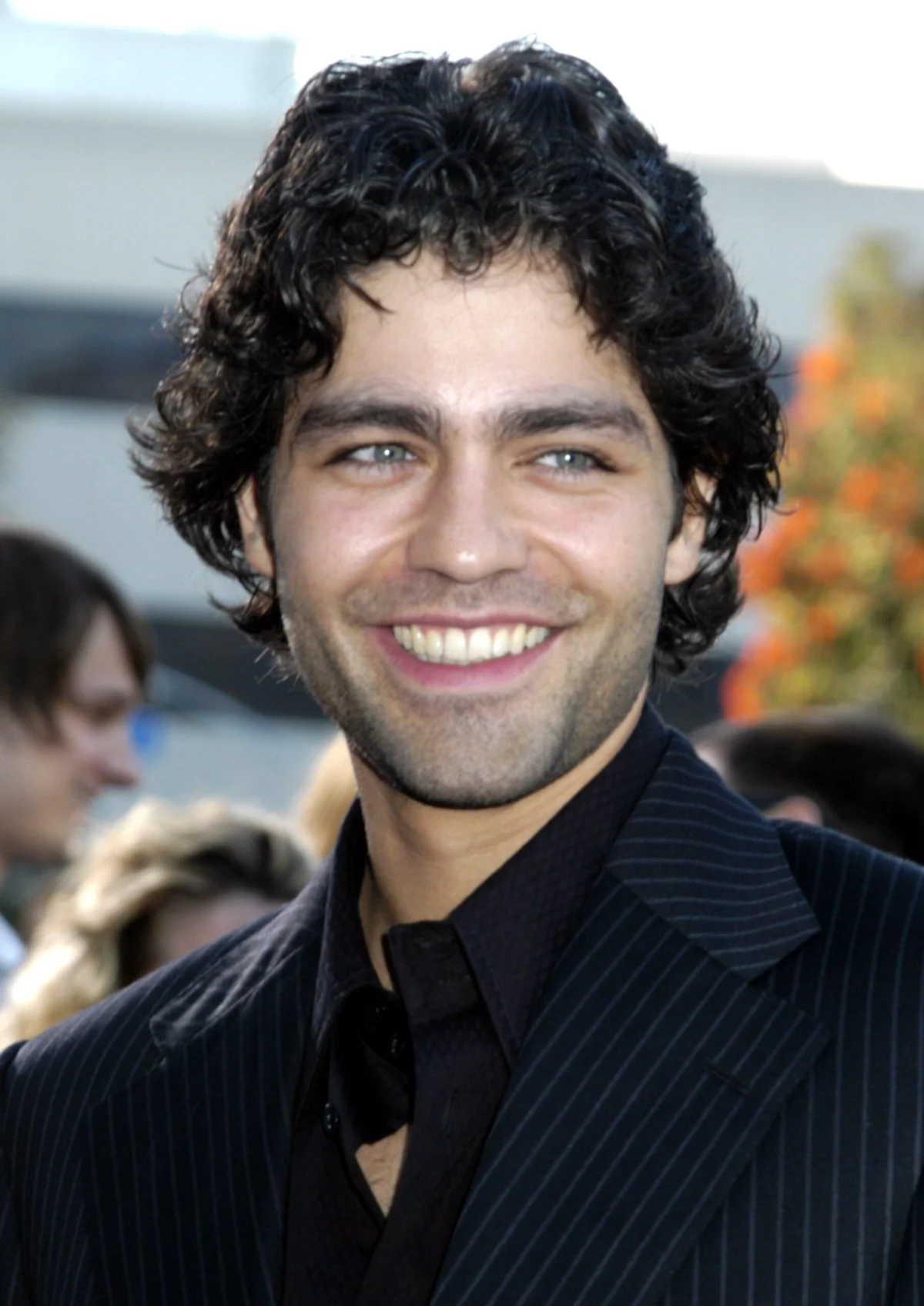
The 2006 release of The Devil Wears Prada, directed by David Frankel and based on Lauren Weisberger’s 2003 novel, stands as a seminal moment in mid-2000s cinema, capturing the intersection of high fashion, corporate ambition, and personal sacrifice. While the film was initially marketed as a comedy-drama highlighting the grueling demands of the fashion industry under the iron fist of editor-in-chief Miranda Priestly, the passage of nearly two decades has fundamentally altered how audiences perceive its central conflicts. Specifically, the character of Nate Cooper, portrayed by Adrian Grenier, has transitioned from a sympathetic, grounded boyfriend to a subject of intense critical scrutiny. Modern retrospective analysis suggests that the friction between Andy Sachs’ professional ascent and Nate’s dissatisfaction reflects deeper societal shifts regarding gender roles, emotional labor, and the valuation of female ambition in the workplace.
The Narrative Framework and Historical Context of 2006
When The Devil Wears Prada premiered, the global economic landscape was characterized by a specific brand of "hustle culture" that preceded the digital age’s obsession with work-life balance. In 2006, the character of Andy Sachs, played by Anne Hathaway, was framed as a fish-out-of-water protagonist—a serious aspiring journalist who views her role as a junior assistant at Runway magazine as a temporary, albeit prestigious, stepping stone. The film’s primary tension is derived from Andy’s gradual immersion into a world she initially despises, eventually excelling in a role that demands 24/7 availability.
During the film’s original theatrical run, many viewers and critics aligned with the perspective that Andy was "losing herself" to a superficial industry. The narrative arc, which concludes with Andy throwing her phone into a fountain in Paris and reconciling with Nate, was largely viewed as a triumphant return to her "true" values. However, contemporary viewers, often analyzing the film through the lens of modern feminist theory and updated labor standards, increasingly view this resolution as a regression. The debate centers on whether Andy’s "transformation" was a loss of integrity or a necessary evolution in a competitive professional environment.
A Chronological Analysis of Andy Sachs’ Professional Arc
The professional trajectory of Andy Sachs follows a classic three-act structure that mirrors the reality of many high-pressure entry-level positions.
- The Outsider Phase: Andy enters Runway with a sense of intellectual superiority, dismissing the fashion industry as frivolous. During this stage, Nate and her circle of friends support her because she remains "one of them"—unaffected by the prestige of her employer.
- The Integration Phase: Following a pivotal lecture from art director Nigel (Stanley Tucci) regarding the historical and economic importance of fashion, Andy begins to take her job seriously. She changes her aesthetic, improves her performance, and anticipates Miranda’s needs. It is at this juncture that the domestic conflict begins, as Andy’s professional success requires her to prioritize her career over social gatherings.
- The Conflict and Peak: The climax occurs during the Paris Fashion Week trip, where Andy replaces her colleague Emily. This promotion, while professionally logical, is treated as a moral failing by her social circle. The film concludes with Andy’s resignation, a move that modern career experts often describe as an unnecessary sacrifice of a hard-won professional network.
Supporting Data: Gender Roles and Workplace Statistics
The shifting perception of Nate Cooper as a "villain" is supported by evolving data regarding women in the workforce and the domestic expectations placed upon them. In 2006, the gender pay gap and the "glass ceiling" were prominent topics, but the concept of "emotional labor"—the invisible work of managing a partner’s emotions—had not yet entered the mainstream vernacular.
According to data from the U.S. Bureau of Labor Statistics, women’s participation in high-level management roles has increased significantly since 2006, yet the expectation for women to maintain "traditional" domestic availability remains a point of friction. Sociological studies indicate that "status leakage"—where a partner feels threatened by the other’s professional rise—is a documented phenomenon in heterosexual relationships. Nate’s dialogue, which totals approximately 150 words across the film, frequently minimizes Andy’s accomplishments. His assertion that she "used to make fun of the Runway girls" serves to gatekeep her identity, preventing her from evolving as her career demands.
Furthermore, the "Bechdel Test," which the film passes, highlights that while the movie focuses on women’s professional lives, the male characters’ limited screen time often carries disproportionate weight in the protagonist’s decision-making. The fact that 150 words from a boyfriend could derail a career trajectory at a global media powerhouse is now cited by film historians as a reflection of 2000s-era "subliminal submission."
The Re-evaluation of Nate: Resentment vs. Concern
The modern critique of Nate Cooper focuses on his lack of professional empathy. Throughout the film, Nate is depicted as a chef—a profession notoriously known for long hours and high stress. Despite this, he shows little patience for Andy’s similar professional demands. A key scene often cited in modern discourse is Nate’s birthday party, which Andy misses due to a last-minute work crisis. Nate’s reaction is not one of concern for his partner’s grueling schedule, but rather a passive-aggressive dismissal of her industry.

In a 2021 interview with Entertainment Weekly for the film’s 15th anniversary, actor Adrian Grenier acknowledged this shift in public opinion. "I didn’t see some of the subtleties and the more nuanced devices of the character," Grenier stated, noting that he now understands why Nate is viewed as "the real villain" of the film. He characterized Nate as a person who was "not supporting his girlfriend in her professional growth."
The dialogue in the film reinforces this interpretation. Nate tells Andy, "I wouldn’t care if you were pole dancing all night if you did it with integrity." This statement is now analyzed as highly problematic, as it suggests that working in fashion—a multi-billion dollar global industry—somehow lacks the "integrity" of his own work as a chef. It posits that Andy’s professional choices are only valid if they meet Nate’s personal standards of "seriousness."
Broader Impact and the "Prestige vs. Exploitation" Debate
The Devil Wears Prada also serves as a case study for the debate between professional prestige and labor exploitation. While Nate’s methods are criticized, his underlying point regarding the toxic nature of Miranda Priestly’s management style remains valid. The film depicts a workplace where boundaries are non-existent and psychological intimidation is the primary management tool.
However, the journalistic consensus in 2024 differentiates between criticizing an exploitative boss and sabotaging a partner’s career. Modern career coaching often uses the film to discuss "burnout" and "quiet quitting." While Miranda Priestly represents the extreme of workplace toxicity, Andy’s growth—her ability to multitask, her expanded cultural knowledge, and her professional poise—are objective gains. The tragedy of the film’s original reception was the suggestion that Andy had to choose between being a "good person" (staying with Nate) and being a "successful person" (working for Miranda).
Implications for Future Media and the Announced Sequel
The enduring relevance of this debate has contributed to the high level of interest in the recently announced sequel to The Devil Wears Prada. Reports indicate that the new installment will follow Miranda Priestly as she navigates the decline of traditional magazine publishing in the digital age, with Emily Charlton (Emily Blunt) now positioned as a high-powered executive.
This sequel offers an opportunity to address the criticisms of the original film’s ending. If Andy Sachs returns, audiences will likely look for a character who has reconciled her ambition with her personal life without the need for the "apology" she offered Nate at the end of the first film. The shift in tone from 2006 to 2024 reflects a broader cultural maturation: we no longer view a woman’s professional evolution as a betrayal of her "authentic" self, but rather as a standard component of adult development.
Conclusion: The Legacy of a Cultural Milestone
The Devil Wears Prada remains a masterpiece of costume design and performance, but its greatest legacy may be its role as a cultural barometer. The transition of the "Nate vs. Andy" debate from a fringe opinion to a mainstream consensus demonstrates how much the collective understanding of relationship equity and professional ambition has changed.
By examining the film 18 years later, it becomes clear that the "devil" was not just the boss wearing Prada, but also the societal expectations that demanded women shrink their professional lives to fit the comfort levels of their partners. As the industry looks toward a sequel, the conversation continues to evolve, moving away from the "integrity" of the work and toward the integrity of the support systems that surround ambitious professionals. The film stands as a reminder that professional success does not occur in a vacuum, and the most significant "villains" are often those who refuse to let their partners grow.

0 Comments