
 Nila Kartika Wati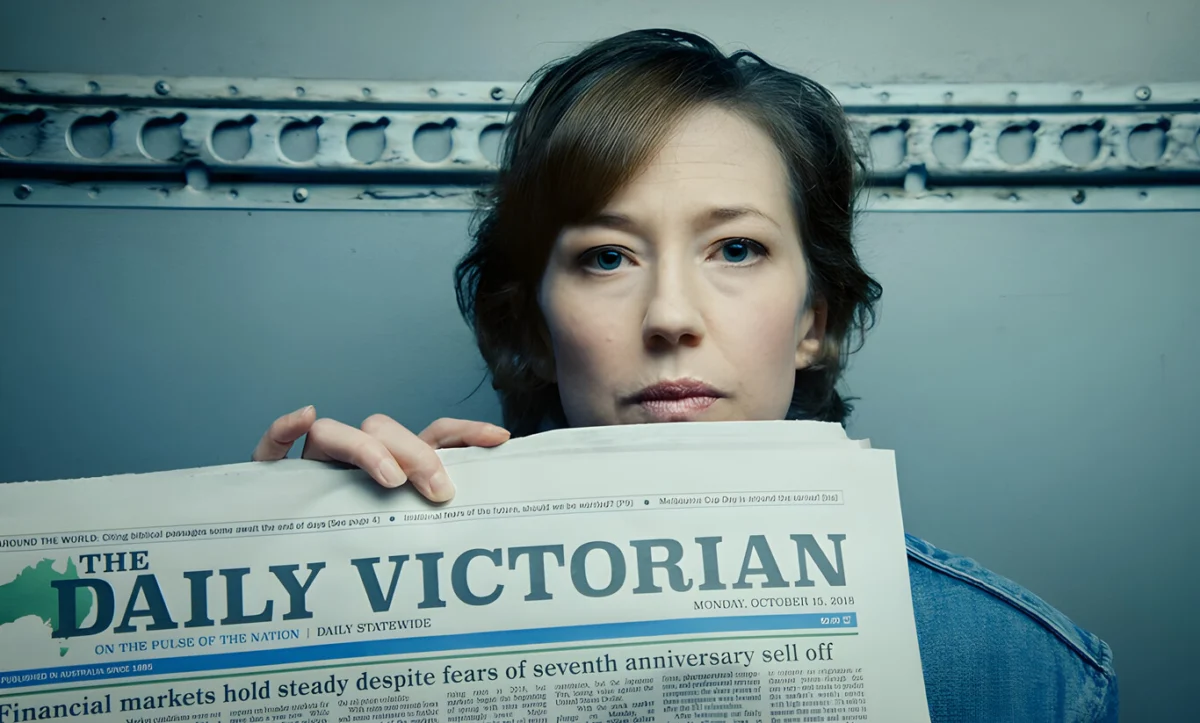
The Leftovers and the Psychological Legacy of the Sudden Departure: Analyzing the Enduring Relevance of Damon Lindelof’s Dystopian Masterpiece on HBO Max represents a pivotal moment in the evolution of prestige television, bridging the gap between speculative science fiction and profound existential drama. Originally premiering on HBO in 2014, the series was co-created by Damon Lindelof—the primary creative force behind the cultural phenomenon Lost—and Tom Perrotta, the author of the 2011 novel upon which the series is based. While the show concluded its three-season run in 2017, its thematic resonance has only intensified in the years following the global COVID-19 pandemic. The narrative explores a world grappling with the "Sudden Departure," an event in which 2% of the world’s population—approximately 140 million people—vanished simultaneously without explanation. Far from being a traditional mystery-box thriller, the production serves as an intricate study of collective trauma, the fragility of social structures, and the desperate human need for meaning in an indifferent universe.
The Genesis of a Dystopian Masterpiece
The development of The Leftovers occurred at a critical juncture for HBO and for Damon Lindelof. Following the divisive conclusion of Lost in 2010, Lindelof sought a project that prioritized character interiority and emotional honesty over convoluted mythology. In Tom Perrotta’s novel, he found a premise that allowed for a "post-apocalyptic" setting without the traditional tropes of societal collapse or external monsters. Instead, the "apocalypse" in The Leftovers is internal and spiritual.
The production was greenlit during a period when HBO was diversifying its drama slate, moving beyond the shadow of The Sopranos and The Wire. The series was designed to be a high-concept drama that avoided the pitfalls of explaining its central mystery. From the outset, Lindelof and the writing staff made it clear to the audience that the "how" and "where" of the vanished would never be definitively answered. This creative decision forced the audience to focus on the "why"—not why the event happened, but why the survivors chose to continue living.
A Chronological Breakdown of the Narrative Evolution
The series is structured into three distinct acts, each represented by a season that shifts the geographical and tonal focus of the story, reflecting the evolving stages of grief.
Season 1: The Weight of the Immediate Aftermath
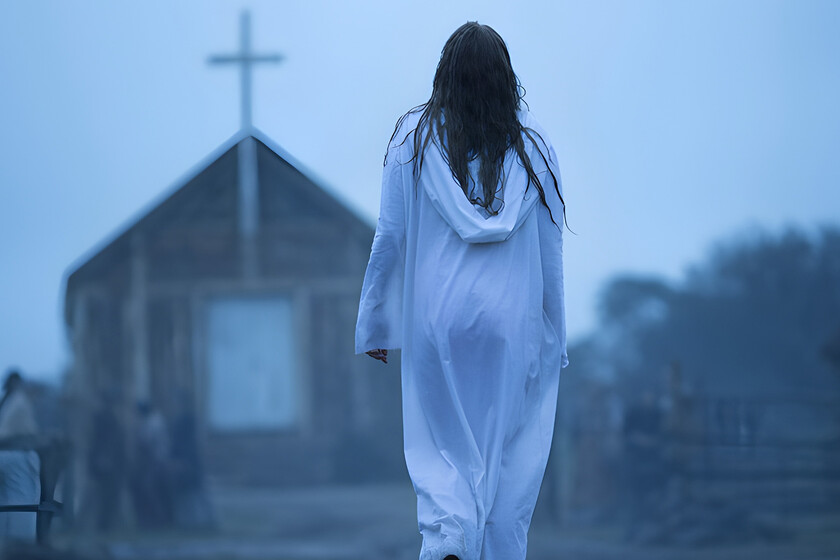
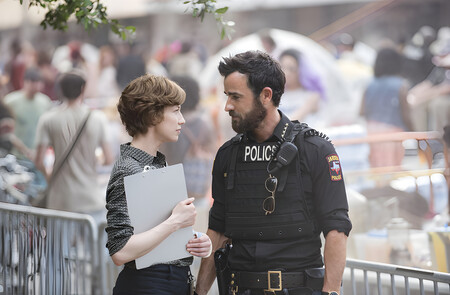
Set three years after the Departure, the first season centers on Mappletown, New York. The focus is on Kevin Garvey (Justin Theroux), the Chief of Police attempting to maintain order in a town simmering with resentment and confusion. This season introduces the "Guilty Remnant," a nihilistic cult whose members dress in white, maintain a vow of silence, and smoke constantly as a "living reminder" of the tragedy. The primary conflict involves the tension between those who wish to return to normalcy and those who believe that the world ended on the day of the Departure.
Season 2: The Search for Sanctity and Safety
In a radical creative pivot, the second season moves the Garvey family to Jarden, Texas—a town rebranded as "Miracle" because it reported zero departures. This shift introduced the concept of "geographic hope," where people believe certain places are divinely protected. The season explores the commercialization of tragedy and the desperation of those seeking a miracle, culminating in a deeper exploration of the supernatural versus the psychological.
Season 3: The End of the World as a Finality
The final season takes place seven years after the Departure, primarily in Australia. As the anniversary of the event approaches, characters grapple with the possibility of a second Departure or a biblical flood. The narrative narrows its focus to the core relationship between Kevin Garvey and Nora Durst (Carrie Coon), eventually leading to one of the most discussed and critically acclaimed series finales in television history, which offers a resolution based on faith rather than empirical proof.

Data-Driven Success and Critical Standing
Despite its heavy themes, The Leftovers maintained a dedicated viewership and achieved a rare level of critical consensus. According to HBO production data, the first season averaged approximately 1.6 million viewers per episode during its initial airings. While these numbers were modest compared to contemporaries like Game of Thrones, the series’ value lay in its critical prestige and the "stickiness" of its audience.
On the review aggregator Rotten Tomatoes, the show’s trajectory is a testament to its increasing quality. While Season 1 holds an 82% approval rating, Season 2 jumped to 94%, and Season 3 reached a near-perfect 99%. Critics frequently cited the performances of Justin Theroux and Carrie Coon as some of the best of the decade. The show’s score, composed by Max Richter, has also been recognized as a cornerstone of the series’ emotional impact, with the "Departure" theme becoming an iconic piece of modern television music.
The Pandemic Metaphor: Art Preceding Reality
One of the most striking aspects of The Leftovers is how accurately it predicted the social and psychological climate of the 2020s. Although the show concluded three years before the onset of the COVID-19 pandemic, it serves as a startlingly accurate metaphor for a world living in the shadow of a global catastrophe.
In the series, the Sudden Departure is not a virus, but its effects on the social fabric are identical to those experienced during the pandemic. The show depicts the breakdown of trust in institutions, the rise of fringe ideologies and cults, and the pervasive sense of "survivor’s guilt." Much like the real-world response to COVID-19, the characters in The Leftovers find themselves unable to return to the "old world," yet they are terrified of the "new normal."
The psychological phenomenon of "ambiguous loss"—a term used by therapists to describe grief where there is no closure or body to bury—is the central engine of the series. During the pandemic, millions experienced a version of this through the loss of normalcy, the disappearance of social rituals, and the sudden, often isolated deaths of loved ones. The Leftovers captures this specific type of pain with a precision that feels almost prophetic.
Societal Implications and the "Guilty Remnant" Philosophy
The series offers a profound analysis of how societies react to inexplicable trauma. The "Guilty Remnant" (GR) serves as a fascinating case study in radicalization. The cult’s philosophy—that the world ended and any attempt to rebuild is a lie—resonates with modern nihilistic movements. The GR members do not want to be "saved"; they want to ensure that no one else forgets the pain of the Departure.
Conversely, the show explores the "Holy Wayne" movement, a charismatic leader who claims he can "hug the pain out" of people. This represents the commodification of healing and the rise of "toxic positivity" or predatory spiritualism that often follows a mass tragedy. By presenting these two extremes, Lindelof and Perrotta highlight the vulnerability of the human psyche when faced with a void of information.
The Legacy of the "Prestige TV" Era
The Leftovers is often cited by television historians as one of the definitive works of the "Peak TV" era. It pushed the boundaries of narrative structure, frequently employing "bottle episodes" that focused on a single character for an entire hour to deepen the emotional stakes. Episodes like "International Assassin" and "The Book of Nora" are frequently listed among the greatest individual episodes of television ever produced.

Furthermore, the series’ refusal to cater to audience demands for easy answers set a precedent for later shows like Station Eleven or Watchmen (also helmed by Lindelof). It proved that a mainstream audience could sustain interest in a high-concept story that prioritized philosophical inquiry over plot-driven resolution.
Broader Impact and Conclusion
Today, The Leftovers remains available in its entirety on the Max streaming platform. Its 28-episode run offers a complete, closed-loop narrative that rewards multiple viewings. For modern viewers, the series provides a cathartic space to process the lingering anxieties of the post-2020 era. It validates the feeling that the world has fundamentally changed and that the search for meaning is a personal, often messy journey rather than a destination.
In summary, The Leftovers is more than a science fiction drama; it is a monumental exploration of the human condition under duress. By focusing on the 98% who were left behind, the series provides a mirror to our own world, reminding us that while we may never understand the "why" behind the tragedies that befall us, the act of "letting the mystery be" and finding connection in the ruins is the ultimate act of survival. Its legacy as a masterclass in storytelling and a psychological roadmap for the 21st century remains undisputed.


 Jia Lissa
 admin
admin
 Raisa Andriana
 Pevita Pearce
 Eva Lovia
 Julia Chirkova