
The 2026 FIFA World Cup, the most expansive and ambitious iteration of the tournament to date, reaches its ultimate conclusion this Sunday, July 19. In a clash of footballing titans, Spain and Argentina will compete for the prestigious trophy at MetLife Stadium in East Rutherford, New Jersey. This final match represents the culmination of a 39-day journey that saw 48 nations compete across three host countries—the United States, Mexico, and Canada. For the first time in the history of the competition, the closing ceremony will transition into a high-production entertainment spectacle, featuring global icons Madonna, Shakira, and Tom Cruise, signaling a shift in how FIFA presents its flagship event to a global audience.
The Path to the Final: A Statistical Overview
The journey to the MetLife Stadium has been a grueling test of endurance and tactical depth. Spain enters the final having demonstrated a revitalized version of their signature possession-based style, blended with a more direct attacking threat from their young wingers. Throughout the knockout stages, Spain maintained an average possession rate of 64%, the highest in the tournament, while recording a pass completion rate of 91% in the final third. Their semi-final victory was characterized by defensive discipline, conceding only three shots on target over 90 minutes.
Argentina, the defending champions from the 2022 campaign, have reached the final through a combination of veteran leadership and the emergence of a new generation of midfielders. Statistically, Argentina has been the most efficient team in transition, leading the tournament in goals scored from counter-attacking situations. Their path to the final included a dramatic quarter-final penalty shootout and a dominant semi-final performance where they capitalized on set-piece opportunities. This final marks Argentina’s sixth appearance in a World Cup final, as they seek to secure their fourth star.
A New Era of Entertainment: The Closing Ceremony and Halftime Show
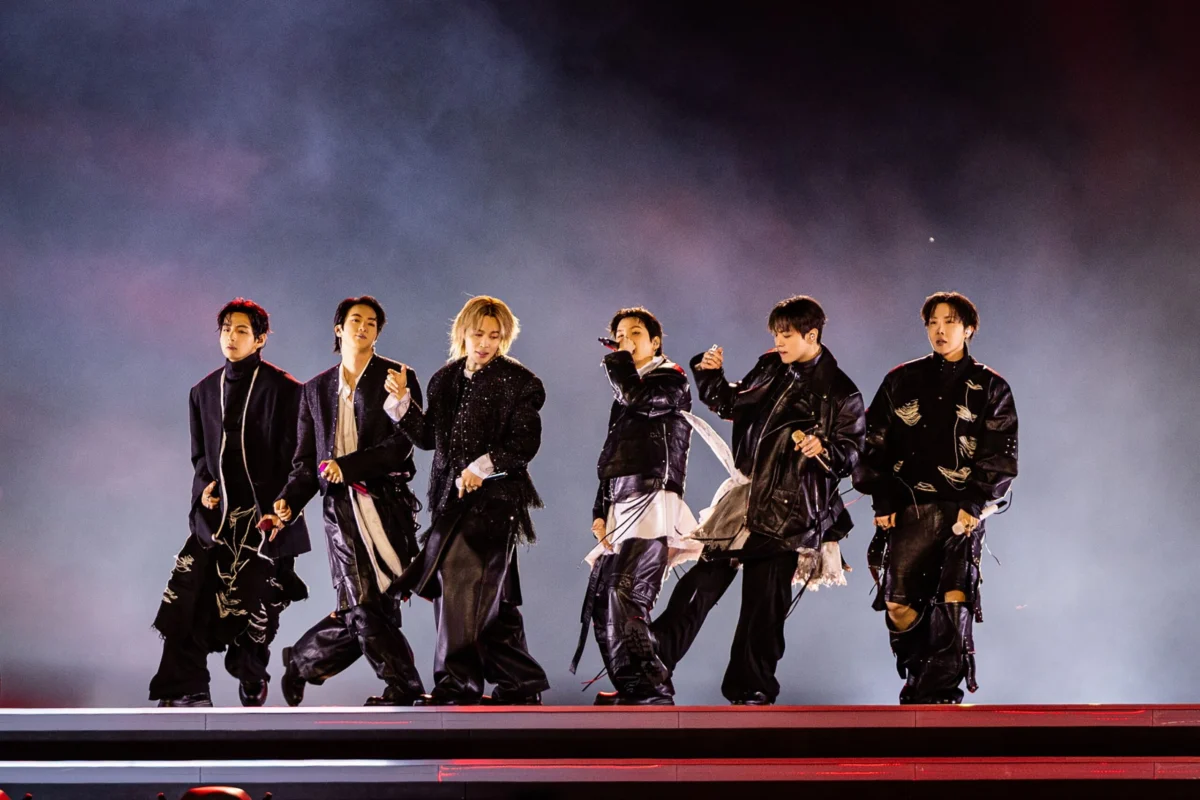
FIFA has traditionally opted for relatively brief opening and closing ceremonies focused on cultural displays. However, the 2026 final introduces a "Super Bowl-style" halftime and closing show, designed to capture the massive American media market and a projected global television audience of over 1.5 billion viewers.
The inclusion of Madonna, Shakira, and Tom Cruise represents a strategic move to blend sports with Hollywood-caliber production. Madonna is expected to lead a retrospective performance celebrating global unity, while Shakira—a veteran of World Cup performances—is slated to perform the official closing anthem. Tom Cruise, known for his high-octane stunts, is rumored to be involved in a pre-match sequence involving the delivery of the FIFA World Cup Trophy. According to production insiders, the stage for the halftime show is engineered to be assembled and disassembled in under seven minutes to ensure the integrity of the pitch remains uncompromised for the athletes.
MetLife Stadium: The Global Stage
MetLife Stadium, located just outside New York City, was selected over several other high-profile venues due to its massive 82,500-seat capacity and its proximity to a major international travel hub. For the final, the stadium has undergone significant modifications, including the installation of a sophisticated natural grass surface over its traditional synthetic turf to meet FIFA’s stringent requirements.
Local authorities in New Jersey and New York have implemented a comprehensive security and transportation plan. With over 1 million visitors estimated to have passed through the region during the tournament, the final is expected to generate an economic impact exceeding $600 million for the local economy. New Jersey Governor’s office released a statement noting that "the eyes of the world are on our state, and we are prepared to deliver a world-class experience that reflects the diversity and energy of the global football community."
Broadcasting and Global Accessibility: Where to Watch
The final will be accessible through a massive network of terrestrial and digital broadcasters. Given the 48-team format, the reach of this tournament has shattered previous records for digital engagement. Below is the comprehensive guide for international viewing:
North America
In the United States, the match will be broadcast in English on FOX and streamed via the Peacock platform. Spanish-language coverage is provided by Telemundo, which has seen record-breaking ratings during this tournament. In Mexico, the broadcast will be shared between TV Azteca, Televisa, and the streaming platform ViX, ensuring that the final is accessible even in the most remote regions.
South America
Argentina will see the final aired on TV Pública, DirecTV Sports, and Telefe, with streaming available on Paramount+. The nation is expected to come to a standstill as the "Albiceleste" seeks back-to-back titles. In Colombia, Caracol and RCN TV will provide free-to-air coverage, while Disney+ (Premium) and DSport will handle digital distribution. Chile and Peru will follow similar models, with Chilevisión and América Televisión leading the terrestrial broadcasts, respectively. Venezuela will tune in via Televen and DSport.
Europe
In Spain, the final will be a national event broadcast on RTVE (La 1) and DAZN. Markets in Europe have had to adjust to the North American time zones, with the final kicking off in the late evening or early morning hours across the continent.
Chronology of the 2026 World Cup
The road to the final began on June 11, 2026, at the Estadio Azteca in Mexico City. The tournament moved through a revamped group stage consisting of 12 groups of four teams.
- June 11 – June 27: The Group Stage saw the elimination of several traditional powerhouses, as the expanded 48-team format allowed "underdog" nations from Asia and Africa to secure historic upsets.
- June 28 – July 3: The Round of 32 introduced a new layer of knockout tension. This round was marked by high-scoring affairs, as teams adjusted to the single-elimination pressure.
- July 4 – July 8: The Round of 16 and Quarter-finals saw the emergence of Spain and Argentina as the clear favorites. Spain’s victory over a resilient French side and Argentina’s tactical masterclass against Brazil were the highlights of this period.
- July 14 – July 15: The Semi-finals determined the finalists. Spain overcame a physical German squad, while Argentina defeated the tournament’s "dark horse," Morocco, in a high-intensity match in Los Angeles.
- July 19: The Grand Final at MetLife Stadium.
Analysis of Implications: The 48-Team Legacy
The 2026 World Cup will be remembered as the "Tournament of Expansion." Critics initially argued that increasing the field to 48 teams would dilute the quality of play. However, preliminary data suggests the opposite. The average goals per match increased by 12% compared to the 2022 tournament, and the "Round of 32" provided a significant boost in global broadcasting revenue, which FIFA estimates will exceed $11 billion for the four-year cycle.
Furthermore, the logistical success of the three-nation hosting model (United States, Canada, and Mexico) sets a precedent for future multi-national bids. The use of existing NFL and CFL infrastructure in the U.S. and Canada reduced the need for "white elephant" stadiums, a common criticism of previous World Cups.
Official Statements and Reactions
FIFA President Gianni Infantino, in a press briefing held 48 hours before the final, described the event as "the greatest show on Earth." He stated, "We have seen the beautiful game grow in every corner of the world. This final between Spain and Argentina is not just a game; it is a celebration of human excellence and the unifying power of sport. With the addition of a world-class entertainment program, we are bringing the World Cup into a new era."
Coaches from both squads have expressed mutual respect. Spanish manager Luis de la Fuente emphasized the importance of neutralizing Argentina’s midfield transition, while Lionel Scaloni of Argentina noted that Spain’s technical proficiency requires a "perfect defensive game."
Conclusion: A Historic Night in New Jersey
As the sun sets over the New Jersey skyline this Sunday, the 2026 World Cup will conclude with a spectacle that blends the traditional passion of football with the modern demands of global entertainment. Whether Spain secures their second title or Argentina continues their era of dominance, the event has already succeeded in redefining the scale and scope of international sports. With Madonna, Shakira, and Tom Cruise providing the backdrop to the world’s most-watched sporting event, the 2026 final is poised to be a landmark moment in 21st-century culture.

0 Comments