

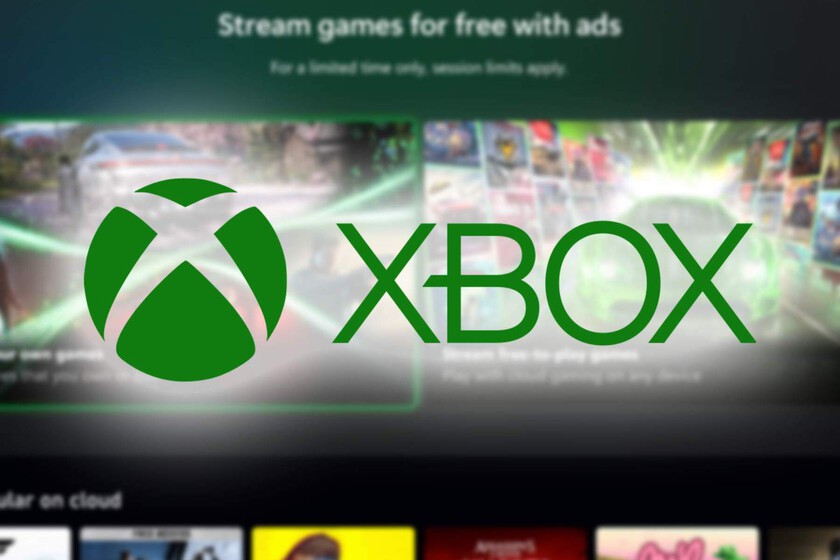
Microsoft has officially initiated a pilot program within its Xbox Insider community to test a new ad-supported model for its cloud gaming service, marking a significant strategic pivot in how the company delivers digital content. This initiative, which includes participants in Mexico and other select regions, allows users to access a curated library of titles via Xbox Cloud Gaming without the prerequisite of a paid Xbox Game Pass Ultimate subscription. In exchange for this access, players are required to view short-form advertisements prior to the commencement of their gaming sessions. This move represents one of the most substantial attempts by a major console manufacturer to integrate traditional advertising models into a high-end streaming environment, aiming to lower the barrier to entry for the broader gaming public.
Historically, Xbox Cloud Gaming—formerly known during its development phase as Project xCloud—has been positioned as a premium "value-add" exclusive to the highest tier of the Xbox Game Pass ecosystem. Since its wide release in 2020, the service has required a monthly commitment of approximately $16.99 to $19.99, depending on the region. By decoupling the cloud streaming technology from the subscription paywall, Microsoft is signaling a shift toward a "freemium" model that mirrors the evolution of video streaming giants like Netflix and Disney+, both of which have successfully introduced lower-cost, ad-supported tiers to combat subscription fatigue and expand their user bases.
The Mechanics of the Pilot Program and Technical Requirements
The current testing phase is restricted to the Xbox Insider Hub, a platform used by Microsoft to gather feedback on pre-release features. Users enrolled in the program can launch specific titles directly from the cloud on various devices, including Xbox Series X|S consoles, Xbox One, and Windows PCs. The primary technical advantage of this model is its ability to bridge the generational hardware gap. For instance, owners of the legacy Xbox One console, which launched in 2013, can utilize the cloud to stream modern, resource-intensive titles designed specifically for the Xbox Series X|S. This effectively extends the lifecycle of older hardware by offloading the computational burden to Microsoft’s Azure-powered data centers.
Microsoft’s approach to advertising within this framework is reportedly designed to be as non-intrusive as possible. Unlike mobile gaming or linear television, where advertisements often interrupt the core experience, Microsoft’s current implementation focuses on "pre-roll" content. This means the advertisements are served during the initial loading and handshaking process of the cloud stream, ensuring that once the gameplay begins, the user experience remains uninterrupted by commercial breaks. This decision aligns with the company’s stated "Player-First" advertising principles, which prioritize the integrity of the gameplay loop over aggressive monetization.
Strategic Context: The Global Push for Three Billion Gamers
The introduction of an ad-supported tier is a critical component of Microsoft Gaming CEO Phil Spencer’s long-term vision to reach three billion gamers worldwide. While the console market in North America and Western Europe is relatively mature, emerging markets in Latin America, Southeast Asia, and Africa present vast growth opportunities where the upfront cost of a $500 console or a $20 monthly subscription may be prohibitive.
Mexico, specifically cited as a primary testing ground for this program, represents one of the most vibrant gaming markets in the world. According to data from the Competitive Intelligence Unit (CIU), Mexico has over 70 million gamers, a significant portion of whom play primarily on mobile devices. By offering a free, ad-supported pathway to high-quality console games on mobile phones and tablets via the cloud, Microsoft is positioning itself to capture a demographic that has traditionally been underserved by the "buy-to-play" console model.
Chronology of Xbox Cloud Gaming Development
The journey toward an ad-supported cloud model has been several years in the making. The following timeline highlights the key milestones that have led to this current testing phase:
- October 2018: Microsoft officially announces "Project xCloud," its vision for a global game-streaming service powered by Azure.
- September 2020: Xbox Cloud Gaming launches in 22 countries as a bundled feature of Xbox Game Pass Ultimate.
- June 2021: Microsoft completes a massive infrastructure upgrade, replacing older Xbox One S-based server blades with custom Xbox Series X hardware to improve latency and visual fidelity.
- May 2022: Microsoft partners with Epic Games to offer Fortnite for free via the cloud without a subscription, serving as the first "proof of concept" for a free-to-play cloud model.
- Late 2023: Internal reports begin to surface regarding Microsoft’s exploration of "ad-supported" game time, particularly for regional markets with high mobile penetration.
- July 2024/2025: The official rollout of the ad-supported pilot program for Xbox Insiders begins, focusing on testing server stability and user sentiment regarding advertisement integration.
Industry Implications and Competitive Landscape
Microsoft is not alone in its pursuit of cloud dominance, but its infrastructure gives it a distinct advantage. Sony’s PlayStation Plus Premium offers cloud streaming for PS5 titles, yet it remains tethered to a high-cost subscription and is largely focused on the console ecosystem. NVIDIA’s GeForce Now provides a high-performance streaming alternative but requires users to already own the games they wish to play.
By integrating advertising, Microsoft is addressing the "content-plus-delivery" problem. The company provides the hardware (the cloud), the platform (the Xbox app), and the content (the Game Pass library) all in one package. Analysts suggest that if the pilot is successful, it could force competitors to reconsider their pricing structures. The "Free-to-Play" revolution, led by titles like League of Legends and Warzone, proved that massive revenue can be generated through scale rather than upfront sales. Microsoft is now attempting to apply that same logic to the entire platform level.
However, the transition is not without risks. The success of an ad-supported model depends heavily on the quality of the advertisers and the stability of the stream. Cloud gaming is notoriously sensitive to network congestion; if the addition of advertising servers introduces any significant latency or "input lag," the user experience could degrade, leading to high churn rates. Furthermore, Microsoft must navigate the delicate balance of data privacy, ensuring that the targeted advertising used to fund the service complies with increasingly stringent global regulations.
Official Philosophy and Player Principles
Microsoft has been transparent about its goals for this testing phase, emphasizing that the feedback from Xbox Insiders will dictate the final form of the service. The company has outlined several core principles that guide its advertising integration:

- Accessibility: Providing a way for players who cannot afford a subscription to still participate in the Xbox ecosystem.
- Sustainability: Creating a revenue stream that allows Microsoft to continue maintaining expensive cloud server infrastructure without charging every user.
- Experience Integrity: Ensuring that ads do not appear during critical gameplay moments, such as boss fights or competitive matches.
- Transparency: Clearly labeling ad-supported content and providing users with information on how their data is used to serve ads.
The company has clarified that this is not a replacement for the current subscription model but an expansion of choice. Users who prefer a premium, ad-free experience will continue to have the option to subscribe to Game Pass Ultimate, which also includes benefits like Day One releases, online multiplayer, and EA Play.
How to Participate in the Testing Phase
For users interested in shaping the future of this service, Microsoft has made the Xbox Insider program accessible to the general public. To join, players must download the Xbox Insider Hub app from the Microsoft Store on their console or PC. Once registered, users can navigate to the "Previews" section to see if the ad-supported cloud gaming trial is available in their specific region.
Participation involves more than just playing; Microsoft actively encourages "Insiders" to use the "Report a Problem" tool to flag issues with ad playback or stream quality. This data is then used by engineering teams to optimize the service before a potential global rollout.
Future Outlook: The End of the Console War?
As Microsoft continues to decouple its software from its hardware, the traditional "console war" between Xbox and PlayStation is evolving into a battle for platform ubiquity. If an ad-supported tier becomes a permanent fixture, the physical Xbox console becomes less of a gatekeeper and more of a specialized peripheral for enthusiasts.
The broader implications for the industry are profound. If Microsoft can prove that ad-supported cloud gaming is financially viable, it could lead to a future where high-fidelity gaming is as accessible as watching a video on YouTube. For now, the Xbox Insider pilot remains a critical experiment in digital economics, testing whether the modern gamer is willing to trade a few moments of their time for access to the world’s most advanced gaming library. The results of this trial in markets like Mexico will likely determine the trajectory of the Xbox brand for the next decade.

0 Comments