
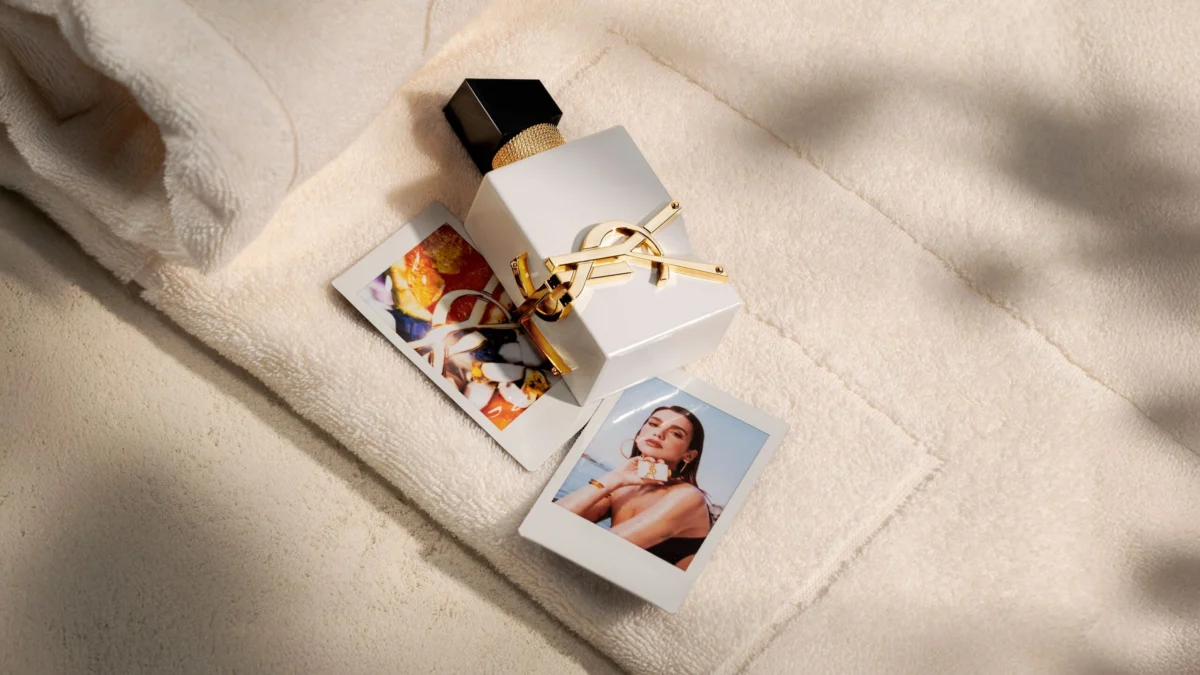
The global luxury fragrance industry is currently undergoing a structural transformation, shifting away from traditional alcohol-based formulas toward skin-centric compositions that bridge the gap between perfumery and skincare. Yves Saint Laurent Beauty (YSL Beauty), a flagship brand within the L’Oréal Luxe portfolio, has officially entered this evolving space with the introduction of LIBRE L’EAU NUE. This release marks the first alcohol-free "Parfum de Peau" (Skin Perfume) in the brand’s history, signaling a significant pivot in how legacy fashion houses approach olfactory innovation. For decades, denatured alcohol served as the industry-standard carrier for aromatic compounds, prized for its ability to dissolve essential oils and its rapid evaporation, which projects scent into the air. However, as consumer demand for "cleaner," non-drying, and multi-functional beauty products reaches a fever pitch, YSL Beauty’s latest venture suggests that the future of prestige fragrance may lie in its ability to nurture the skin rather than merely sit atop it.
The Technical Evolution and Two-Year Development Cycle
The creation of LIBRE L’EAU NUE was not a simple adaptation of the original 2019 Libre Eau de Parfum. Instead, it represented a two-year research and development undertaking within YSL Beauty’s laboratories. The primary challenge of alcohol-free perfumery lies in stability and scent fidelity; without alcohol as a solvent, the fragrance oils must be suspended in a water-based or oil-based emulsion that does not feel sticky or oily, and that does not separate over time. According to internal reports from the development phase, the brand’s chemists and perfumers cycled through more than 60 distinct iterations before finalizing the current formula.
Master perfumers Anne Flipo and Carlos Benaïm, the original architects of the Libre franchise, were tasked with translating the high-impact, "gender-bending" fougère DNA of the original scent into a water-based medium. The technical difficulty was twofold: first, maintaining the "sillage" (the trail left by a perfume) without the volatile lift provided by alcohol; and second, ensuring the fragrance remained shelf-stable without traditional preservatives. The resulting "Parfum de Peau" utilizes a breakthrough emulsion technology that allows the scent to bond with the skin’s natural lipid barrier, creating a localized glow and a persistent, intimate aroma that evolves with the wearer’s body heat.
The Olfactory Profile: Mediterranean Solar Energy
While the delivery system is revolutionary for the house, the scent profile of LIBRE L’EAU NUE remains deeply rooted in the established Libre aesthetic—a tension between masculine and feminine notes. The composition centers on the "divine duality" of refreshing citrus and warm, solar florals.
- Top Notes: The opening is characterized by a vibrant, luminous citrus accord. In the absence of alcohol, these notes do not "sting" the nose upon application but instead emerge with a soft, dewy freshness.
- Heart Notes: The signature of the Libre line, Moroccan orange blossom, remains the focal point. In this alcohol-free version, the floralcy is described as "solar," mimicking the sensation of skin warmed by the Mediterranean sun.
- Base Notes: The fragrance is anchored by a creamy, sensual finish that emphasizes the "skin-to-skin" concept.
Unlike traditional Eau de Parfums that aim to dominate a room, LIBRE L’EAU NUE is designed to stay close to the body. This "skin scent" trend reflects a broader cultural shift toward "quiet luxury" and personal wellness, where fragrance is viewed as a private ritual rather than a public statement.

The Skincare-ification of Fragrance
The launch of LIBRE L’EAU NUE is a primary example of the "skincare-ification" of the beauty industry. Market data from the last three fiscal years indicates that consumers—particularly within the Gen Z and Millennial demographics—no longer view beauty categories in isolation. There is an increasing expectation that makeup should contain SPF, that hair care should treat the scalp, and that fragrance should not irritate or dehydrate the skin.
Traditional alcohol-based perfumes can be problematic for individuals with sensitive skin, eczema, or those who spend significant time in the sun, as alcohol can increase photosensitivity and cause localized dryness. By removing ethanol, YSL Beauty has positioned LIBRE L’EAU NUE as a product suitable for all-over body application, including the hair—where alcohol is known to strip moisture—and the pulse points of the neck and chest. The formula leaves a subtle, radiant finish on the skin, effectively acting as a hybrid between a fragrance and a lightweight body treatment.
Industry Context and Competitive Landscape
YSL is not the only player exploring this territory, but its entry marks a tipping point for the L’Oréal Group’s luxury division. In recent years, competitors like Dior have experimented with water-based innovations (such as J’adore Parfum d’Eau), proving that there is a high-volume market for alcohol-free alternatives.
The move is also strategically aligned with the "clean beauty" movement, even though YSL remains a traditional luxury house. By offering an alcohol-free option, the brand appeals to "conscious consumers" who scrutinize ingredient lists for potential irritants. Furthermore, the global fragrance market is projected to reach a valuation of approximately $70 billion by 2030, with the "natural and organic" and "skin-friendly" segments growing at a faster Compound Annual Growth Rate (CAGR) than traditional categories. LIBRE L’EAU NUE allows YSL to capture this growth while maintaining its high-fashion prestige.
Visual Identity and Sustainable Design
The aesthetic presentation of LIBRE L’EAU NUE reflects the "Nue" (Nude) concept. The iconic Libre bottle, designed by Suzanne Dalton, features the oversized golden Cassandre logo bent around the glass—a feat of engineering that mirrors the bold nature of the scent. For this new iteration, the bottle has been reimagined with a bright, opaque white finish. This choice of color is intended to evoke the purity of the water-based formula and the luminosity of the scent itself.
From a sustainability perspective, the move toward alcohol-free formulas also opens discussions about the sourcing of ethanol. Most industrial alcohol used in perfumery is derived from fermented crops like beets or corn. By diversifying its formula types, the L’Oréal Group continues its "L’Oréal for the Future" program, which aims to reduce the environmental footprint of its products through green chemistry and sustainable sourcing, although the brand maintains that the primary driver for this specific launch was consumer experience and skin comfort.

Consumer Reception and Strategic Implications
Early reactions from beauty analysts and focus groups suggest that the "Parfum de Peau" format is particularly successful in regions with warmer climates, such as the Middle East, Latin America, and Southeast Asia. In these markets, heavy alcohol-based scents can sometimes become cloying or evaporate too quickly in the heat. A water-based emulsion provides a cooling sensation upon application and a more stable scent profile that resists "turning" in high temperatures.
Furthermore, the versatility of the product—being safe for hair and sensitive areas—positions it as a lifestyle product rather than just a "night out" accessory. YSL Beauty’s marketing strategy for LIBRE L’EAU NUE emphasizes this lack of rules. The brand encourages users to "mist generously," moving away from the traditional "dab on the wrists" methodology.
Conclusion: A New Chapter for the Maison
The introduction of LIBRE L’EAU NUE is more than a line extension; it is a declaration of intent. By investing two years and dozens of formulations into an alcohol-free product, YSL Beauty is acknowledging that the definition of luxury is changing. It is no longer enough for a fragrance to be recognizable; it must also be responsible, comfortable, and integrated into a holistic beauty routine.
As the industry moves forward, it is likely that other major houses will follow suit, developing their own versions of "Skin Perfumes" that prioritize the biological needs of the wearer. For now, YSL stands at the forefront of this movement, proving that the spirit of "Libre"—freedom—applies not just to the woman who wears the scent, but to the very chemistry of the scent itself. The success of this launch will likely dictate the direction of the brand’s future olfactory portfolio, potentially leading to alcohol-free versions of other classics like Black Opium or Y. For the modern consumer, LIBRE L’EAU NUE offers a glimpse into a future where fragrance is as much about how you feel in your own skin as it is about the air you leave behind.

0 Comments