
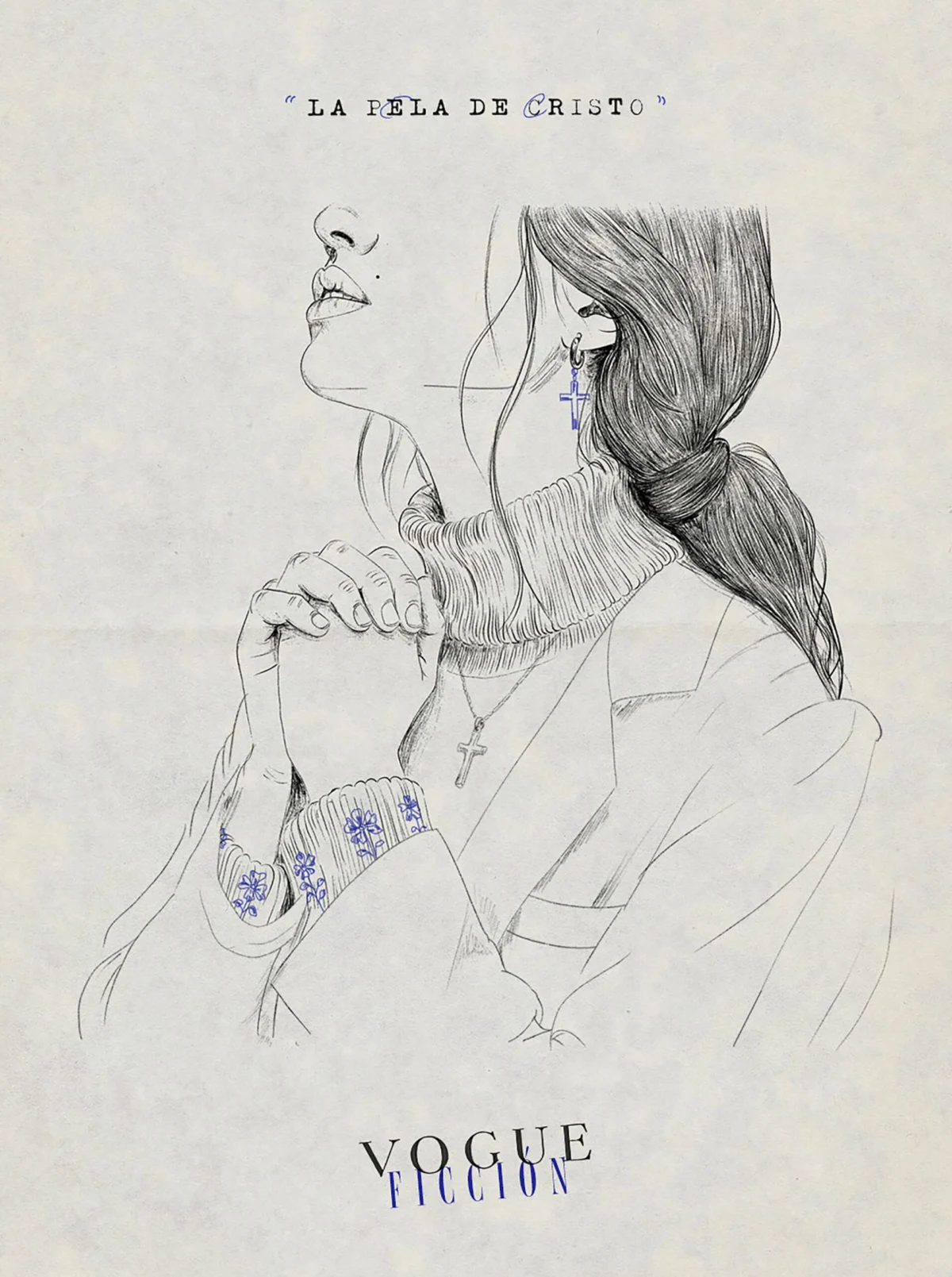
The preservation of traditional family-owned businesses in the modern urban landscape remains a complex challenge, often bridging the gap between economic necessity and profound personal grief. In the case of Peluquería La Esperanza, a local establishment currently managed by its third-generation proprietor, Ángela, the shop has transitioned from a simple service provider to a site of cultural and personal preservation. Since inheriting the business three years ago following the passing of her grandfather, the current administrator has maintained a strict adherence to mid-20th-century operational standards, resisting the prevailing market trends of modernization and digital integration. This commitment to the past is not merely aesthetic but serves as a functional framework for the management of legacy and the continuation of specialized artisanal practices that are increasingly rare in the contemporary beauty industry.
Heritage Preservation in the Modern Service Sector
Peluquería La Esperanza operates as a living museum of the traditional barbershop era. The interior architecture remains unchanged from the tenure of its founder, featuring brown leather swivel chairs, white ironwork, and a waiting area characterized by the natural patina of decades of use. A notable fixture of the establishment is the "lámpara de caramelo"—the traditional barber’s pole—which, though meticulously cleaned, remains non-functional, serving as a symbolic rather than operational marker of the trade.
The management’s refusal to remodel the premises reflects a broader sociological phenomenon where the physical environment of a business serves as a mnemonic device. For Ángela, the dusting of her grandfather’s portraits beneath a porcelain figure of Christ is a daily ritual that integrates memorialization into the standard operating procedure of the shop. This intersection of commerce and personal history is common in family-run enterprises across Latin America, where the workspace often doubles as a domestic and spiritual sanctuary.
Chronology of a Family Institution
The history of Peluquería La Esperanza can be traced through the photographic records maintained on-site. The earliest documentation shows the founder seated at the entrance, establishing the shop’s presence in the community with a modest setup. At its inception, the business lacked the specialized "Se compran trenzas" (Braids purchased) signage that would later become a defining feature of its economic model.
A timeline of the establishment’s evolution reveals several key phases:
- The Founding Era: The shop opened as a standard neighborhood barber service, focusing on men’s grooming and basic community social interaction.
- The Expansion of Services: The introduction of the hair-buying trade, marked by the addition of specialized wooden magazine racks and the iconic signage, diversifying the shop’s revenue streams.
- The Transition Period: Following the founder’s death three years ago, the management shifted to his granddaughter, who opted for total aesthetic stagnation to honor the original vision.
- The Modern Specialized Phase: Within the last year, the shop has expanded its processing of raw materials to include dyed hair and advanced treatment protocols for hair extensions, all while maintaining the original’s facade.
The Economics of the Hair Trade and Artisanal Craft
A significant portion of the shop’s operations is dedicated to the acquisition and processing of human hair. The sign "Se compran trenzas" represents a micro-economic sector that persists despite the rise of synthetic alternatives. In the rear of Peluquería La Esperanza, behind a mirrored door marked "Out of Service," Ángela operates a specialized workshop. Here, the raw material—purchased braids—undergoes a rigorous process of disinfection, sorting, and preparation.
The hair trade industry requires a high degree of technical skill. According to industry standards, human hair must be categorized by texture, length, and chemical history (virgin vs. dyed). Ángela’s recent decision to accept dyed hair indicates an adaptation to current consumer demographics, where chemically treated hair is more prevalent than in previous decades. The processing involves deep conditioning treatments, precision trimming (despunte), and storage in waxed paper to maintain cuticle integrity. This back-room operation provides the primary material for high-end extensions, a service that remains lucrative despite the shop’s lack of modern advertising.
Cultural Significance of the Commercial Altar
The presence of a religious altar at the entrance of the shop is a critical component of its operational identity. Every morning at 8:00 AM, the lighting of candles and the recitation of prayers precede the cleaning of the mirrors. This ritualistic approach to business hours ensures a consistent structure, even in the absence of immediate clientele.

The centerpiece of this altar is a porcelain Christ figure, which serves as both a spiritual icon and a focal point for the proprietor’s ongoing restoration project. In many traditional shops, the "patron saint" or religious figure is believed to provide protection and prosperity. However, at Peluquería La Esperanza, the relationship with the icon is more tactile. The proprietor has been observed meticulously matching human hair samples to the figure’s "pela" (hairpiece), seeking a specific shade of reddish-brown that mirrors her grandfather’s natural hair. This act merges the professional skill of a hair technician with the devotional requirements of religious iconography.
Operational Challenges and Consumer Pressure
The shop’s adherence to tradition has created a point of friction with its contemporary customer base. While Ángela is recognized for her speed and technical proficiency—often multitasking between chemical treatments and precision cutting—she frequently faces unsolicited advice from patrons regarding modernization. Common suggestions from the clientele include:
- The installation of modern entertainment systems (televisions or radios).
- The expansion of services to include nail artistry and eyelash extensions.
- The adoption of a more contemporary "salon" aesthetic, including updated uniforms and more vibrant interior colors.
- Digital engagement and social media marketing.
The proprietor’s response to these pressures is characterized by a stoic commitment to her established methods. By maintaining a silent, focused demeanor, she prioritizes the technical aspects of the craft over the social expectations of the modern salon experience. This "nostalgia-trapped" operational style, while perhaps limiting growth in a traditional sense, ensures the loyalty of a specific demographic that values efficiency and historical continuity over contemporary amenities.
Industry Analysis: The Survival of Traditional Establishments
The case of Peluquería La Esperanza is representative of a larger trend in the global service industry. As "fast-beauty" chains and high-end boutique salons dominate the market, traditional neighborhood shops are forced to find niche avenues for survival. For this establishment, that niche is the intersection of high-quality manual labor and the specialized hair trade.
Data regarding small business longevity suggests that enterprises with a strong sense of identity and low overhead—often achieved through the use of inherited equipment and premises—are more resilient during economic downturns. By avoiding the debt associated with major renovations and high-tech equipment, Ángela has stabilized the shop’s financial standing, even if the "lámpara de caramelo" remains broken.
Furthermore, the psychological aspect of the business cannot be overlooked. For the proprietor, the shop is a site of "productive grief." The meticulous care given to the hair samples and the daily maintenance of the grandfather’s furniture serve as a form of labor-intensive memorialization. This suggests that for many small business owners, the "bottom line" is not only financial but emotional and legacy-driven.
Broader Implications and Sociological Context
The final daily ritual at Peluquería La Esperanza—closing at 9:00 PM, cleaning the seats, and returning to the altar—highlights the solitary nature of traditional craftsmanship. The proprietor’s ongoing struggle to find the "perfect" reddish tone for the Christ figure’s hair symbolizes the impossibility of perfectly replicating the past. It is an acknowledgment that while the tools and the techniques can be inherited, the presence of the predecessor is irreplaceable.
In a broader sociological context, Peluquería La Esperanza stands as a testament to the "economy of memory." In cities where gentrification often erases local history, these stagnant pockets of commerce provide a necessary anchor for community identity. They remind the public of a time when service was defined by the steady hand of a practitioner and the silent atmosphere of a shared space, rather than the frenetic pace of modern consumerism.
As Ángela continues to manage the shop, the "Se compran trenzas" sign remains a beacon for a dying trade. Whether she will eventually yield to the pressures of modernization or continue to operate the shop as a shrine to her grandfather’s era remains to be seen. However, for now, Peluquería La Esperanza remains a vital, if quiet, participant in the local economy, proving that there is still a market for nostalgia, silence, and the meticulous processing of human hair.

0 Comments