
 Nila Kartika Wati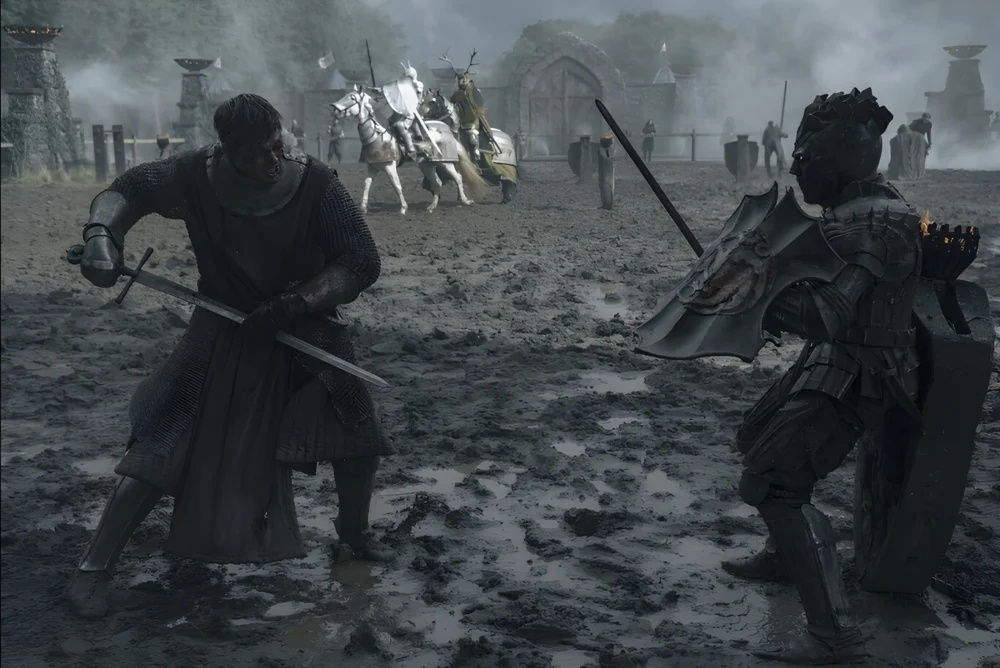
The landscape of prestige television has once again been reshaped by the sprawling literary world of George R.R. Martin, as HBO concludes the inaugural season of its latest spin-off, A Knight of the Seven Kingdoms. Following a six-week broadcast window that has captivated both legacy fans of Game of Thrones and newcomers to the franchise, the series has emerged as a critical triumph for the network. Comprising a concise six-episode arc, the production has been lauded for its intimate storytelling and departure from the high-fantasy spectacle that defined its predecessors. By focusing on the grounded realities of medieval life rather than the scale of dragon warfare, the series has demonstrated the narrative versatility of the Westeros setting, securing its place as a cornerstone of HBO’s long-term programming strategy.
The conclusion of the first season marks a significant milestone in the expansion of the "A Song of Ice and Fire" cinematic universe. Unlike the high-stakes political maneuvering of Game of Thrones or the dynastic tragedies of House of the Dragon, A Knight of the Seven Kingdoms offers a more personal, character-driven perspective. The series serves as an adaptation of Martin’s beloved "Tales of Dunk and Egg" novellas, specifically focusing on the early adventures of Ser Duncan the Tall and his young squire, Egg. This shift in tone has resonated deeply with audiences, as evidenced by near-perfect critical scores and a surge in viewership across the Max streaming platform.
A New Era of Grounded Storytelling in Westeros
The success of A Knight of the Seven Kingdoms is particularly noteworthy given its intentional omission of the franchise’s most iconic elements: dragons and high magic. For over a decade, the image of the Targaryen dragon has been synonymous with the brand’s identity. However, showrunners and executive producers made a calculated decision to pivot toward the "hedge knight" subculture of the Seven Kingdoms. This sub-genre of Martin’s world explores the lives of landless knights who travel the countryside seeking employment, adhering to a code of chivalry that is often at odds with the brutal reality of their environment.
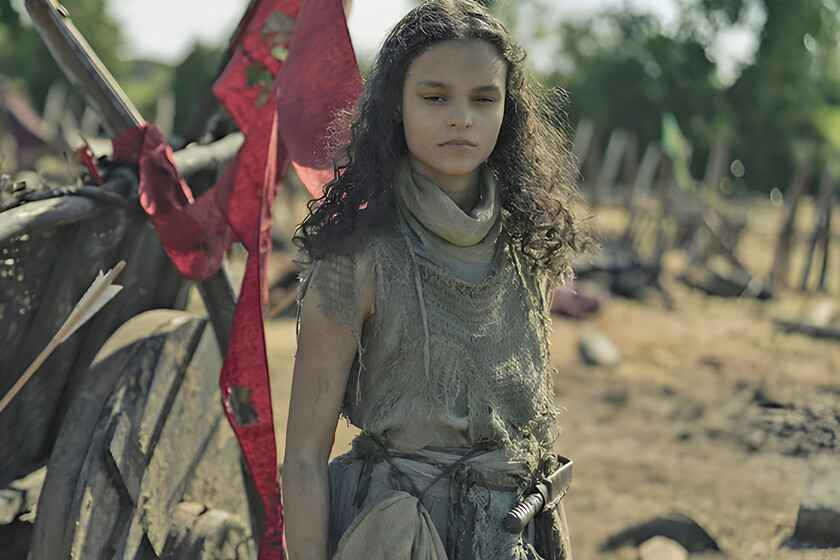
Set approximately 100 years after the events of House of the Dragon and 100 years before the birth of Daenerys Targaryen, the series occupies a unique chronological space. It depicts a Westeros that is relatively stable under Targaryen rule but simmering with the internal tensions of a post-war society. By removing the "nuclear option" of dragonfire from the equation, the writers have forced the narrative to rely on the weight of steel, the nuances of knightly honor, and the burgeoning friendship between a low-born warrior and a hidden prince. Industry analysts suggest that this "low-fantasy" approach not only reduces production costs significantly compared to the CGI-heavy House of the Dragon but also allows for a faster production cycle, ensuring that the HBO schedule remains populated with Westeros-related content during the long intervals between flagship seasons.
Critical Reception and the Landmark Fifth Episode
The critical data surrounding the first season indicates a rare level of consensus among both professional critics and the general audience. While the series maintained a high standard throughout its six-episode run, the fifth episode has been singled out as a masterclass in television production. On the global database IMDb, the penultimate chapter achieved a staggering 9.9 rating, placing it in the upper echelon of television history alongside legendary episodes such as Game of Thrones’ "Battle of the Bastards" and Breaking Bad’s "Ozymandias."
The acclaim for the fifth episode stems from its seamless integration of visceral action and emotional payoff. The episode centers on a grand tournament—a staple of medieval life that had been previously glimpsed but never fully explored with such technical precision. The choreography of the jousting and the subsequent "Trial by Seven" melee provided the "brutal and intense" combat fans expect, but the stakes were rooted in the personal honor of Ser Duncan rather than the fate of the Iron Throne. This focus on "heart" over "spectacle" has been cited by reviewers as the primary reason for the show’s success, proving that the audience’s emotional investment in the characters can outweigh the thrill of visual effects.
Chronology of the Targaryen Legacy
To understand the broader implications of A Knight of the Seven Kingdoms, it is essential to view it within the established timeline of the Seven Kingdoms. The series bridges the gap between the era of dragon-riders and the era of the "Mad King" Aerys II.

- The Era of the Dance (c. 130 AC): Explored in House of the Dragon, this period marks the height of Targaryen power and the beginning of the dragons’ extinction.
- The Era of the Hedge Knight (c. 209 AC): The setting for A Knight of the Seven Kingdoms. The dragons are gone, but the Targaryen dynasty remains at its peak of administrative power, though shadowed by the recent Blackfyre Rebellions.
- The Era of the Rebellion and the Great Game (c. 298 AC): The setting for the original Game of Thrones series, where the Targaryens have been deposed and the supernatural threat of the White Walkers returns.
By filling these historical gaps, HBO is creating a comprehensive televised history of Martin’s world. The network has confirmed that this strategy will continue, with multiple scripts currently in various stages of development. The goal is to create a "perennial" franchise where at least one series from the world of Westeros is in production or on-air at any given time, mirroring the model used by Disney with its Marvel and Star Wars properties.
The Future of House of the Dragon: Season 3 and Beyond
While A Knight of the Seven Kingdoms has dominated the cultural conversation over the past month, the flagship series House of the Dragon remains the primary engine of the franchise. HBO has officially confirmed that the third season of the dragon-centric drama is slated for a June 2026 release. Although this timeline requires a two-year wait for fans, the network has emphasized that the scale of the upcoming season necessitates an extensive post-production period.
Season 3 is expected to cover the most devastating chapters of the "Dance of the Dragons," the civil war between the "Blacks," led by Rhaenyra Targaryen, and the "Greens," led by Aegon II. With several of the realm’s largest dragons now engaged in active combat, the budget for Season 3 is rumored to exceed that of its predecessors. The 2026 release window also strategically positions the show to avoid direct competition with other major fantasy releases, ensuring HBO maintains its dominance in the summer blockbuster television slot.
Official statements from the production team suggest that Season 3 will delve deeper into the psychological toll of the war. "We are moving past the initial provocations and into the grim reality of a war of attrition," noted a source close to the production. The inclusion of new locations within Westeros, such as the Reach and the Riverlands, will expand the scope of the conflict, bringing the total war to every corner of the continent.
Strategic Implications for Warner Bros. Discovery
The continued success of the Game of Thrones universe is a vital component of Warner Bros. Discovery’s broader corporate strategy. As the streaming wars intensify, "sticky" intellectual property—content that retains subscribers over long periods—is the most valuable asset a network can possess. The high engagement rates for A Knight of the Seven Kingdoms demonstrate that the brand can thrive even without its most expensive tropes, provided the writing remains consistent with the source material’s quality.
Furthermore, the "miniserie" format of A Knight of the Seven Kingdoms (six episodes) provides a template for more agile content creation. By alternating between large-scale epic series like House of the Dragon and smaller, more focused narratives, HBO can manage its production pipeline more effectively. This "hybrid" model allows the network to maintain a constant presence in the zeitgeist without exhausting its creative or financial resources.
Rumors of additional spin-offs continue to circulate within the industry. Reports suggest that a series centered on Aegon the Conqueror’s initial invasion of Westeros is in the early stages of writing, while an animated series exploring the Golden Age of the Empire of Yi Ti is also under consideration. While HBO executives remain tight-lipped about which projects will receive a formal green light, the message to investors is clear: Westeros is a multi-generational franchise with decades of stories yet to be told.
Conclusion: A Franchise Reinvigorated
As the final credits roll on the first season of A Knight of the Seven Kingdoms, the consensus among industry observers is that the Game of Thrones brand is stronger than ever. By successfully launching a "low-fantasy" spin-off that rivals the original series in critical acclaim, HBO has proven that the appeal of George R.R. Martin’s world lies in its complex characters and moral ambiguity, not just its mythical creatures.
With the first season now available in its entirety for "marathon" viewing on Max, and the countdown to House of the Dragon Season 3 officially beginning for June 2026, the roadmap for the Seven Kingdoms is well-defined. Fans can expect a steady stream of content that honors the legacy of the original series while exploring new thematic territories. In the competitive world of streaming, where many franchises struggle to maintain relevance after their initial run, the world of Westeros appears to be just beginning its second act. Ser Duncan the Tall and his squire Egg have not only survived their first foray into the television landscape; they have ensured that the fire of the Targaryen legacy—with or without dragons—continues to burn brightly.


 Eva Lovia
 Julia Chirkova
 Julia Prastini
 Jia Lissa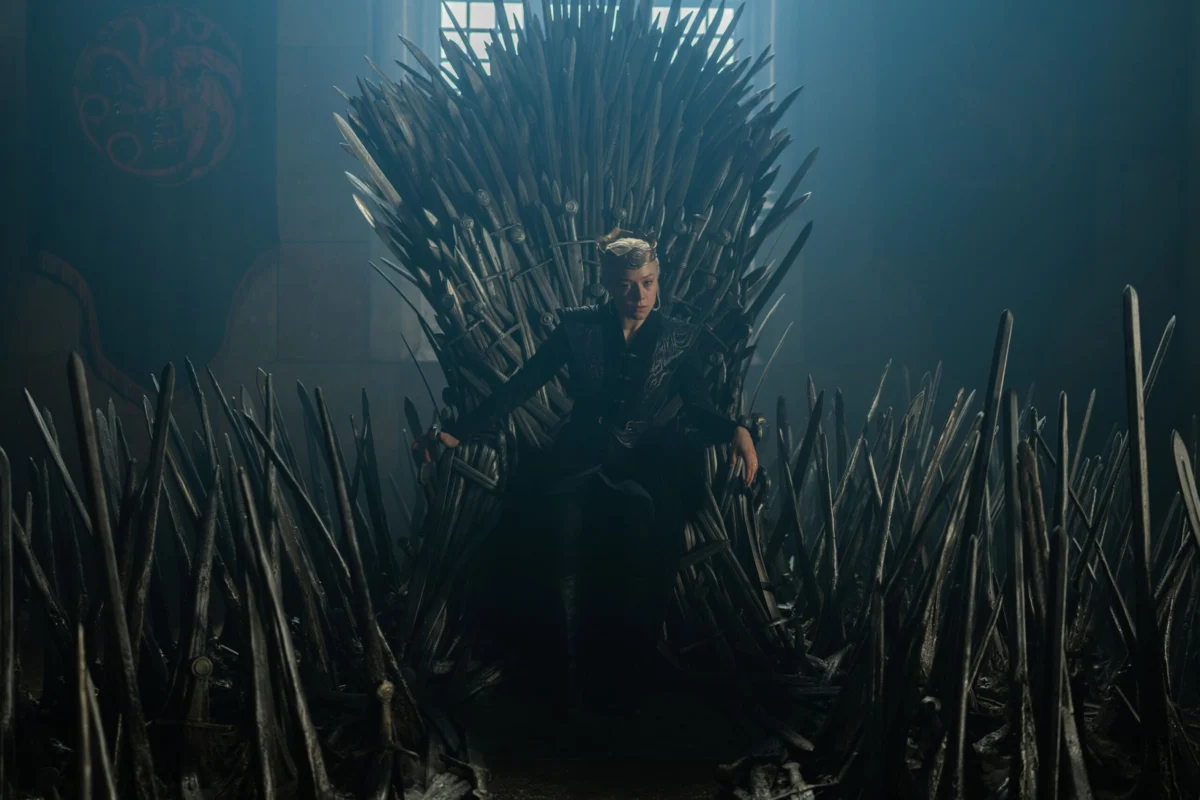
 admin
admin