
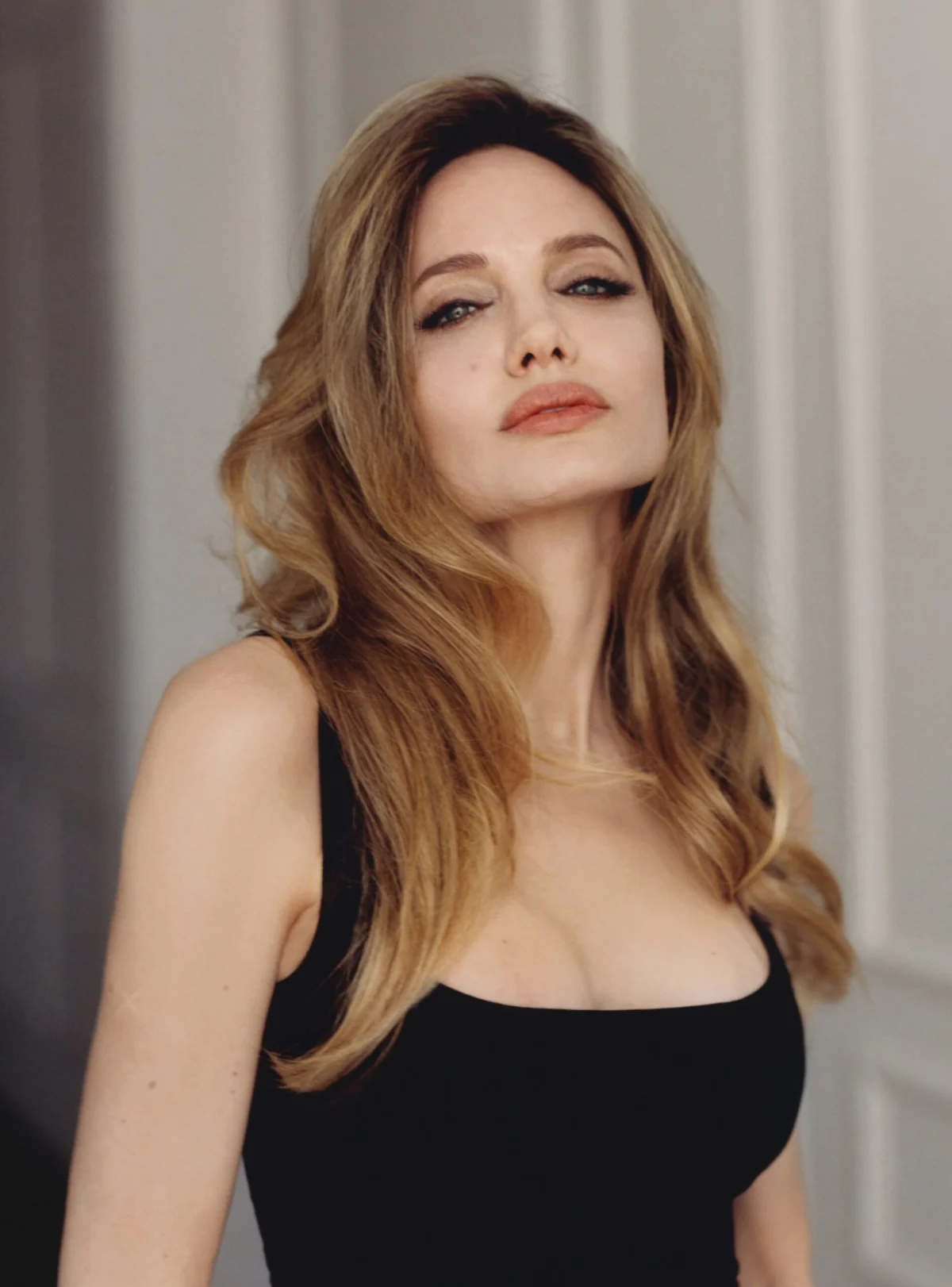
The concept of hair as a permanent accessory serves as the foundation for modern aesthetic theory, a sentiment championed by renowned hair specialist Francisco Iglesias, who famously posited that hair is the only accessory an individual does not change daily. This perspective shifts the focus from temporary styling or coloration toward the structural integrity of the haircut itself. While a well-executed dye job or an intricate updo can temporarily enhance an individual’s appearance, the foundational cut possesses the singular power to elevate personal style and presence or, conversely, diminish it. Consequently, selecting a haircut that aligns with one’s facial architecture is not merely a matter of vanity but a strategic exercise in visual harmony and personal branding.
The pursuit of the ideal haircut often navigates the psychological phenomenon where individuals desire traits they do not naturally possess—a sentiment often described as seeing the grass as greener on the other side. However, professional stylists argue that the most effective transformations occur when a cut remains faithful to the individual’s essence while correcting or balancing specific facial proportions. For those with a square-shaped face, the objective is rarely to hide the face but to create a visual equilibrium that softens angular features and elongates the silhouette.

Identifying the Architecture of the Square Face
Before selecting a style, it is essential to understand the anthropometric markers of the square face shape. This typology is defined by a strong, angular jawline and a forehead, cheekbones, and jaw that are approximately the same width. The hairline is typically straight, and the overall impression is one of strength and definition. In the realm of high-fashion styling, the square face is often lauded for its photographic "bone structure," yet in daily wear, the sharpness of the jaw can sometimes appear overly severe if not balanced by the hair’s volume and direction.
Francisco Iglesias and other industry experts suggest that the most effective way to identify one’s specific needs is to look toward public figures with similar features. By observing how celebrities manage their proportions—whether through a slightly less pronounced chin or a broader forehead—individuals can better understand the mechanics of facial balance. The primary goal for this face shape is to introduce "softness" through movement and curved lines, counteracting the rigid geometry of the natural bone structure.
The 2026 Trend Cycle and the Runway Influence
The current landscape of hair trends for the Spring-Summer 2026 season reveals a significant shift toward structural versatility. Major fashion houses, including Bottega Veneta, Christian Dior, Louis Vuitton, and Dolce & Gabbana, have utilized their recent runways to showcase styles that prioritize movement over static perfection. This shift is particularly beneficial for the square-faced demographic, as the industry moves away from blunt, heavy cuts that emphasize horizontal lines.

Data from recent beauty industry forecasts suggest that the "customization" of classic cuts is the leading driver of salon services in 2026. Consumers are no longer asking for a generic "bob" or "layers"; they are seeking "facial contouring via shears." This evolution reflects a deeper understanding of how hair functions as a frame for the face, rather than just an extension of the scalp.
1. The Strategic Application of Long Layers
The long-layered cut remains the gold standard for harmonizing square features. This style, which dominated the 2026 Spring-Summer runways, relies on the strategic placement of weight. By starting the shortest layers at the level of the jawline, the stylist can effectively "break" the horizontal line of the mandible. This creates an illusion of a more oval or elongated face.
Long layers provide a dual benefit: they offer the movement necessary to soften the face while maintaining the length that many individuals prefer for versatility. High-profile examples, such as Angelina Jolie, demonstrate how a long, layered mane can elongate the neck and face, creating a sophisticated and timeless aesthetic. From a technical standpoint, these layers should be "point-cut" or "slid" rather than cut bluntly to ensure the ends remain wispy and light, avoiding any additional bulk around the widest part of the face.

2. The Long Bob (Lob) as a Proportional Tool
While short bobs can be risky for square faces—as they often end exactly at the jawline, highlighting its width—the "Long Bob" or "Lob" offers a perfect compromise. The ideal length for a Lob on a square face falls approximately two to three inches below the chin, often grazing the collarbones.
Style icons such as Hailey Bieber and Eva Longoria have popularized this look, frequently pairing it with "undone" or "beach" waves. The inclusion of waves is critical; straight, flat hair against a square face can emphasize the sharp angles, whereas waves introduce a series of curves that distract the eye from the jaw’s rigidity. Furthermore, an asymmetrical Lob, where the hair is slightly longer in the front than in the back, can further elongate the facial profile.
3. Curtain Bangs and the Art of Framing
The resurgence of curtain bangs—a staple in the recent collections of Chloé and Chanel—provides a masterclass in facial framing. Unlike traditional straight-across bangs, which create a horizontal line that can make a square face look shorter and wider, curtain bangs part in the middle and sweep toward the sides.

This style creates a "V" or "inverted V" shape on the forehead, which helps to visually narrow the forehead and draw the eye toward the center of the face. When cut to fall just below the cheekbones, curtain bangs (as seen on Margot Robbie) serve to soften the transition from the mid-face to the jaw. This "peek-a-boo" effect adds a layer of mystery and elegance while functioning as a non-invasive "contour" for the face.
4. The Resurgence of Diagonal and Side-Swept Bangs
For those who find center parts or curtain bangs unsuitable, the diagonal or side-swept fringe offers a powerful alternative. This style draws heavily from the Y2K aesthetic, which has seen a massive revival in the mid-2020s. Influence from the early 2000s, originally championed by figures like Lindsay Lohan and later modernized by Zoë Kravitz, emphasizes the use of diagonal lines to break up facial symmetry.
A diagonal fringe forces the eye to move across the face at an angle, rather than side-to-side. This disruption of the square’s natural symmetry is highly effective at minimizing the appearance of a broad jaw. High-end brands like Balmain and Tory Burch have integrated these asymmetrical elements into their 2026 styling guides, proving that the side-sweep is no longer a relic of the past but a contemporary tool for facial harmony.

5. The Wolf Cut and the Shag Evolution
The "Wolf Cut"—a hybrid of the 1970s shag and the 1980s mullet—has emerged as a favorite for those seeking a more rebellious and high-volume look. Characterized by extreme layers and a heavy emphasis on top-heavy volume, the Wolf Cut is particularly effective for square faces because it shifts the focus upward.
By creating height at the crown and wispy, thinned-out layers around the neck and jaw, the cut balances the "heaviness" of a square jawline. Celebrities like Billie Eilish and Miley Cyrus have used this cut to project a persona of edgy sophistication. The "disorganized" nature of the layers ensures that no single line is emphasized, allowing the face’s natural features to blend into the overall texture of the hair.
Historical Context and the 20-Year Fashion Cycle
The current preference for these specific cuts is not accidental but follows the established 20-year cycle of fashion and beauty. The early 2020s saw a return to the 1990s "minimalism," which often favored blunt cuts. As we move through 2026, the cycle has shifted into the "maximalism" and "texture" of the early 2000s (Y2K).

This era was defined by layers, bangs, and a rejection of the "flat" look. However, the 2026 interpretation is more refined, utilizing advanced cutting techniques like "internal layering" and "invisible thinning" to ensure that the volume is manageable and the silhouette remains modern. This historical context explains why styles like the side-swept fringe and the shag-inspired Wolf Cut are currently resonating with both stylists and consumers.
Industry Implications and Consumer Behavior
The shift toward face-shape-specific cutting has significant implications for the professional beauty industry. Salon revenue data from the first half of 2026 indicates a 15% increase in "consultation-heavy" appointments. Clients are willing to pay a premium for stylists who can provide a technical analysis of their facial structure rather than just a standard trim.
Furthermore, the rise of "social media filters" that allow users to test different face shapes has made the general public more aware of their own geometry. This has led to a more educated consumer base that enters the salon with a specific vocabulary regarding "proportions" and "softening." Professional stylists must now act as both artists and geometricians to meet these heightened expectations.

Conclusion: The Synthesis of Style and Geometry
Ultimately, the choice of a haircut for a square-shaped face is a balance between personal expression and aesthetic science. As Francisco Iglesias suggested, hair is an enduring part of one’s identity. By utilizing long layers, strategic Lobs, or various forms of bangs, individuals can transform their strongest features from a source of insecurity into a hallmark of their personal style.
The trends of 2026 emphasize that there is no "one-size-fits-all" approach to beauty. Instead, the most successful looks are those that respect the natural architecture of the face while using the hair to create a sense of movement, softness, and light. Whether through the bold layers of a Wolf Cut or the subtle framing of curtain bangs, the goal remains the same: a harmonious visual narrative that empowers the individual every time they look in the mirror.

0 Comments