
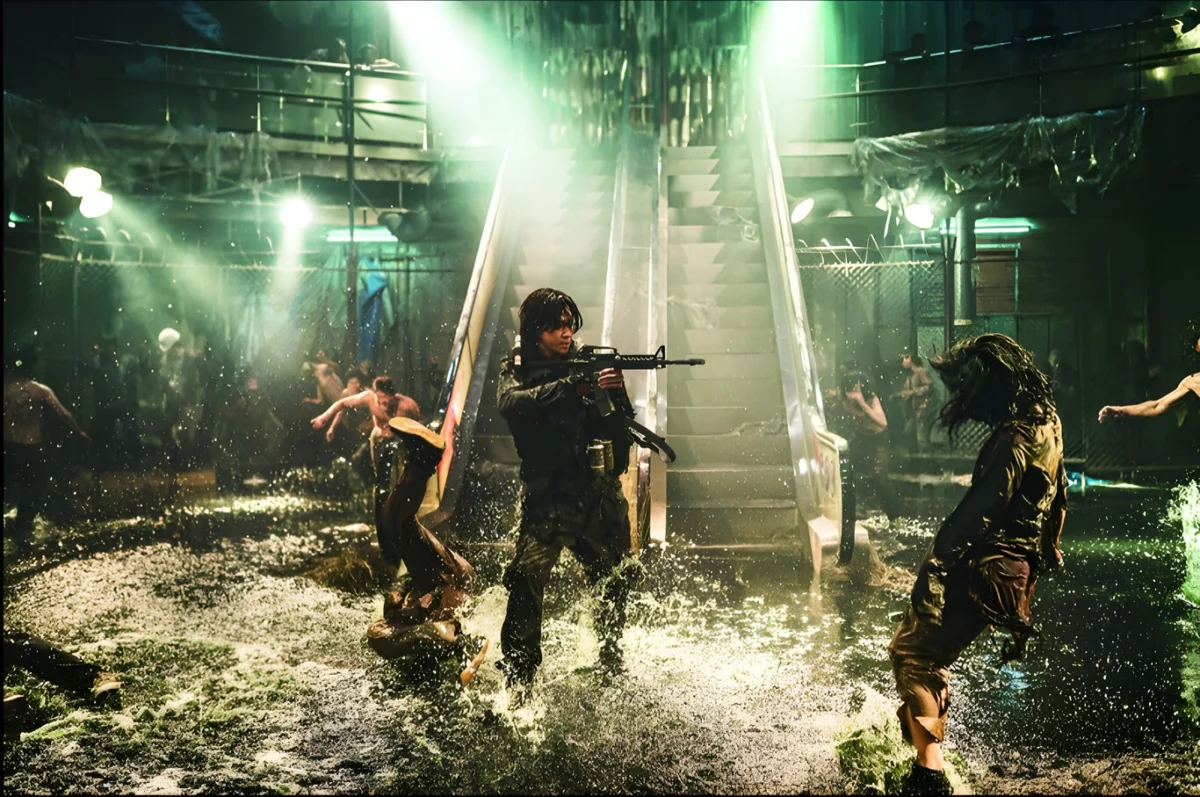
The global streaming giant Netflix has officially added Peninsula to its international library, providing a new platform for the 2020 sequel to the seminal South Korean zombie thriller Train to Busan. Directed by Yeon Sang-ho, Peninsula represents a dramatic departure from the claustrophobic, character-driven horror that defined its predecessor, opting instead for a high-octane, post-apocalyptic action spectacle. While the original film was lauded for its innovative use of limited space and poignant social commentary, the sequel expands the scope to the entire Korean Peninsula, which has been decimated and quarantined following the events of the initial outbreak. The film’s arrival on Netflix allows a broader audience to evaluate its place within the "Yeon Sang-ho Universe," a franchise that has become a cornerstone of the modern "K-zombie" phenomenon.
The Evolution of a Cinematic Universe: From Seoul Station to Peninsula
To understand the significance of Peninsula, one must examine the trajectory of the franchise established by Yeon Sang-ho. The series began with the animated prequel Seoul Station (2016), which depicted the immediate onset of the zombie virus among the city’s marginalized populations. This was followed by the live-action Train to Busan later that same year, which became a global sensation, grossing over $98 million worldwide and maintaining a rare 94% approval rating on review aggregators. Train to Busan was credited with revitalizing the zombie genre by focusing on human emotion, class struggle, and the breakdown of social structures within the confines of a high-speed locomotive.
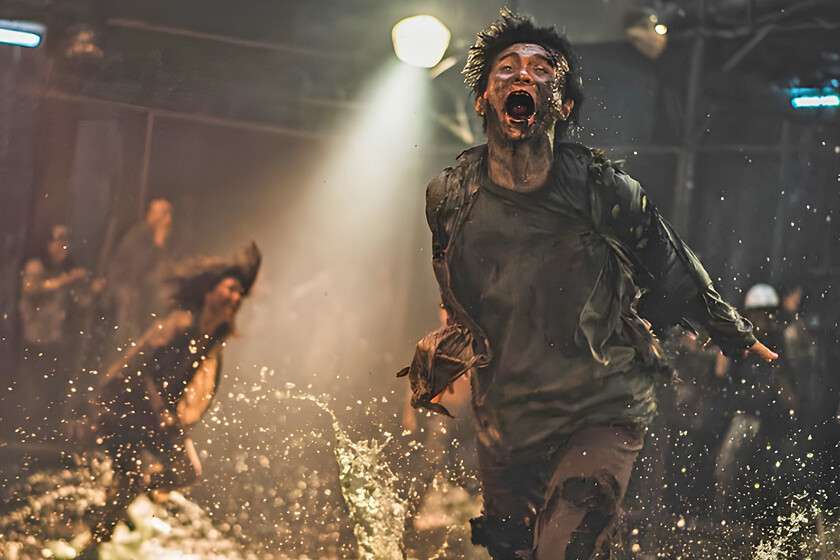
Peninsula takes place four years after the events of Train to Busan. In this timeline, the South Korean government has completely collapsed, and the peninsula has been isolated from the rest of the world. The story follows Jung-seok, a former captain in the Republic of Korea Marine Corps who escaped the initial outbreak but remains haunted by the loss of his family. Living as a refugee in Hong Kong, he is recruited by a criminal syndicate for a high-stakes mission: return to the "Dead Zone" of the peninsula to retrieve a truck containing $20 million in abandoned cash. What begins as a simple heist quickly devolves into a struggle for survival when Jung-seok and his team realize that the infected are not the only threat; a rogue military unit known as Unit 631 has established a brutal, lawless society within the ruins of the city.
Technical Analysis and Genre Transition
The most striking aspect of Peninsula is its deliberate shift in genre. While Train to Busan was a survival horror film that utilized practical effects and tight choreography to create tension, Peninsula leans heavily into the aesthetics of post-apocalyptic action cinema. Critics and industry analysts have frequently compared the film to George Miller’s Mad Max: Fury Road and John Carpenter’s Escape from New York. This shift is characterized by expansive outdoor environments, elaborate car chases, and an increased reliance on Computer-Generated Imagery (CGI).
The zombies in Peninsula have also evolved in their narrative function. In the first film, the infected were the primary source of terror, their erratic movements and overwhelming numbers creating a sense of inescapable dread. In the sequel, the zombies are treated more as environmental hazards or tactical tools. The survivors have learned to exploit the zombies’ weaknesses—specifically their blindness in the dark and their attraction to sound and light—leading to set pieces involving flares, remote-controlled cars, and vehicular combat. This transition reflects a broader trend in long-running horror franchises where the initial mystery of the monster is replaced by the spectacle of surviving it.

Comparative Data and Global Performance
The commercial and critical reception of Peninsula provides a nuanced look at the challenges of following a masterpiece. Released during the height of the COVID-19 pandemic in mid-2020, Peninsula was one of the first major titles to attempt a theatrical release in Asian markets. Despite significantly reduced theater capacities, it managed to gross approximately $42.7 million globally. While this figure is lower than the $98 million earned by Train to Busan, industry experts viewed it as a success given the unprecedented circumstances of the global film market at the time.
Critically, however, the film saw a more divided response. On Rotten Tomatoes, Peninsula holds a 55% approval rating, a sharp decline from the 94% held by its predecessor. The primary criticism centered on the loss of the original’s emotional core and its reliance on genre tropes. However, many fans of action cinema praised the film for its technical ambition and world-building. The introduction of the Min-jung family—a mother and her two daughters who have survived the apocalypse through ingenuity and driving skills—was noted as a highlight, providing the film with its most grounded and human elements.
Strategic Implications for South Korean Cinema and Netflix
The inclusion of Peninsula on Netflix is a strategic move that aligns with the platform’s massive investment in South Korean content. Following the historic success of Bong Joon-ho’s Parasite at the Academy Awards and the cultural explosion of the Netflix original series Squid Game, South Korean media has become a primary driver of subscriber growth for streaming services. Netflix recently announced a $2.5 billion investment plan for Korean content over the next four years, recognizing the global demand for "K-Content."
Peninsula serves as a vital bridge in this ecosystem. It represents the "blockbuster" side of Korean cinema—films designed for high production value and international appeal. By hosting both Train to Busan and Peninsula, Netflix consolidates the franchise, allowing viewers to experience the full scale of Yeon Sang-ho’s vision. Furthermore, the film’s presence on the platform facilitates the discovery of other "K-zombie" titles, such as the historical drama Kingdom and the high-school thriller All of Us Are Dead, which have both seen immense success on the service.
Statements and Reactions from the Creative Team
Director Yeon Sang-ho has been vocal about his intentions for Peninsula, emphasizing that he did not want to repeat the formula of the first film. In various press junkets following the film’s initial release, Yeon stated that he viewed Peninsula not as a direct sequel in terms of narrative, but as a thematic expansion of a world in ruin. He noted that while Train to Busan was about the "beginning of the end," Peninsula is about "how humans live in the aftermath."
Lead actor Gang Dong-won, who plays Jung-seok, also commented on the film’s unique demands. He noted that the physical training required for the action sequences was significantly more intense than in a standard thriller, involving complex stunt driving and tactical movement. The cast and crew have generally defended the film’s shift toward action, arguing that a mere "Train to Busan 2" set on another train would have lacked the creative ambition required to sustain a cinematic universe.

Broader Impact and the Future of the Franchise
The legacy of Peninsula is likely to be defined by its role in expanding the boundaries of South Korean genre filmmaking. It proved that Korean studios could produce large-scale, CGI-heavy action films that rival Hollywood productions in technical execution. The film’s focus on the "failed state" and the resilience of those left behind also resonated with contemporary anxieties regarding societal collapse and global crises.
Looking forward, rumors of a third installment in the Busan universe continue to circulate. While no official production timeline has been confirmed, Yeon Sang-ho has expressed interest in returning to the world, potentially exploring the perspectives of other survivors or the international response to the Korean quarantine. Until then, Peninsula remains a significant, if polarizing, chapter in the history of zombie cinema. Its arrival on Netflix ensures that the debate over its merits will continue, as a new wave of viewers discovers its high-octane reimagining of the apocalypse. For those seeking the tension of the original, Peninsula may be a departure, but for those looking for a visually striking exploration of a world gone mad, it stands as a testament to the versatility of South Korean storytelling.

0 Comments