
The fashion landscape for the Summer 2026 season is undergoing a significant transformation, marked by a sophisticated resurgence of 1980s-inspired silhouettes that prioritize volume, drama, and structured femininity. This revival, which gained substantial momentum following the Saint Laurent Spring-Summer 2025 presentation, has been further propelled by a convergence of high-fashion runway directives and the enduring influence of period-specific media, including the final chapters of the global phenomenon Stranger Things and regional hits like the series Mentiras. Industry analysts note that the current discourse in contemporary aesthetics is increasingly anchored in the reimagining of 1980s blouses, which are being integrated into modern wardrobes through strategic pairings with denim, tailored trousers, and bohemian-inspired skirts.

The shift toward 1980s nostalgia is not merely a fleeting trend but a calculated response to the minimalist "quiet luxury" era that dominated the early 2020s. As consumers move toward "maximalist expressionism," the blouse has emerged as the central vehicle for this transition. These garments, characterized by exaggerated sleeves, intricate necklines, and bold patterns, offer a versatile bridge between formal office attire and casual street style. The upcoming 2026 season specifically emphasizes a refined take on these retro elements, stripping away the campiness of the original decade in favor of high-quality textiles and precision tailoring.

The Chronology of the 80s Revival
To understand the trajectory of the Summer 2026 blouse trends, it is essential to examine the chronological progression of the 1980s revival. The movement began in the late 2010s with a renewed interest in "power dressing," as women in the workforce sought silhouettes that projected authority and confidence. By 2022, the aesthetic moved from the boardroom to the screen, with costume designers for major streaming platforms utilizing 80s fashion to establish character depth and nostalgia.

The pivotal turning point occurred during the 2024 and 2025 fashion cycles, where creative directors at legacy houses—most notably Anthony Vaccarello at Saint Laurent—reintroduced the "V-taper" silhouette. This look, defined by wide shoulders and a narrow waist, provided the blueprint for the blouses now entering the mass market for 2026. Historically, fashion cycles operate on a 20-to-30-year loop; however, the acceleration of digital trends has allowed the 80s aesthetic to maintain a presence for nearly a decade, evolving with each iteration to become more wearable for the modern consumer.

Architectural Puff Sleeves and Urban Denim
One of the most prominent features of the 1980s blouse is the puff sleeve, a detail that has transitioned from the romanticism of the 1970s to the dramatic architecture of the mid-80s. While the previous decade focused on soft, flowing fabrics, the 80s introduced structured volume. For Summer 2026, designers such as Fabiana Filippi are championing the puff sleeve in both short and long variations.

The modern application of this trend involves a deliberate juxtaposition of styles. While the blouse itself carries a sense of formality and historical weight, it is increasingly paired with "urban" elements. Market data suggests a high consumer preference for combining structured puff-sleeve blouses with distressed or "ripped" denim. This combination balances the theatricality of the top with the grit of street fashion. To complete the look, the industry is moving away from the stilettos of the original decade, opting instead for luxury flats or braided sandals, such as those seen in recent collections by Liviana Conti. This shift reflects a broader societal demand for "functional glamour," where visual impact does not come at the expense of mobility.

The Madonna Influence: The Blouse-Corset Hybrid
The 1980s were defined by the subversion of traditional undergarments, a movement led largely by pop icon Madonna. Her adoption of the corset as outerwear transformed the piece from a restrictive historical relic into a symbol of female agency. In the lead-up to 2026, the "corset blouse" has emerged as a key item for evening and formal wear.

These blouses utilize internal boning or strategic stitching to mimic the corset’s shape while maintaining the comfort of a standard top. Brands like La Semaine are leading the charge by creating pieces that offer a "distinguished yet daring" air. Unlike the high-contrast punk looks of the 1980s, the Summer 2026 iteration leans toward a monochromatic or pastel palette. The recommended styling for this silhouette involves "cigarette jeans"—a slim, straight-cut denim that elongates the leg—and classic pumps. This ensemble represents a more polished version of 80s rebellion, suitable for both social events and elevated daywear.

Ruffles and the Neo-Bohemian Movement
Movement was a vital component of the 80s aesthetic, often achieved through the extensive use of ruffles and frills. In the original decade, ruffles were typically stiff and concentrated around the collar and bib of the blouse. For 2026, the approach is more fluid. Alexander McQueen and other high-end labels are reimagining the ruffle as a cascading element that adds texture without overwhelming the wearer.

The resurgence of ruffles is closely tied to the "Neo-Bohemian" movement, which has seen a 25% increase in social media engagement over the last fiscal quarter. This style favors the pairing of ruffled blouses with "boho" skirts and flat sandals, such as those designed by Loeffler Randall. This look appeals to a demographic that values artisanal details and a sense of "effortless drama." Analysis of retail trends indicates that these blouses are particularly successful in lightweight fabrics like silk organza and high-grade cotton poplin, which allow the ruffles to maintain their shape in the summer heat.

The Royal Legacy: Pussy Bows and Lady Di
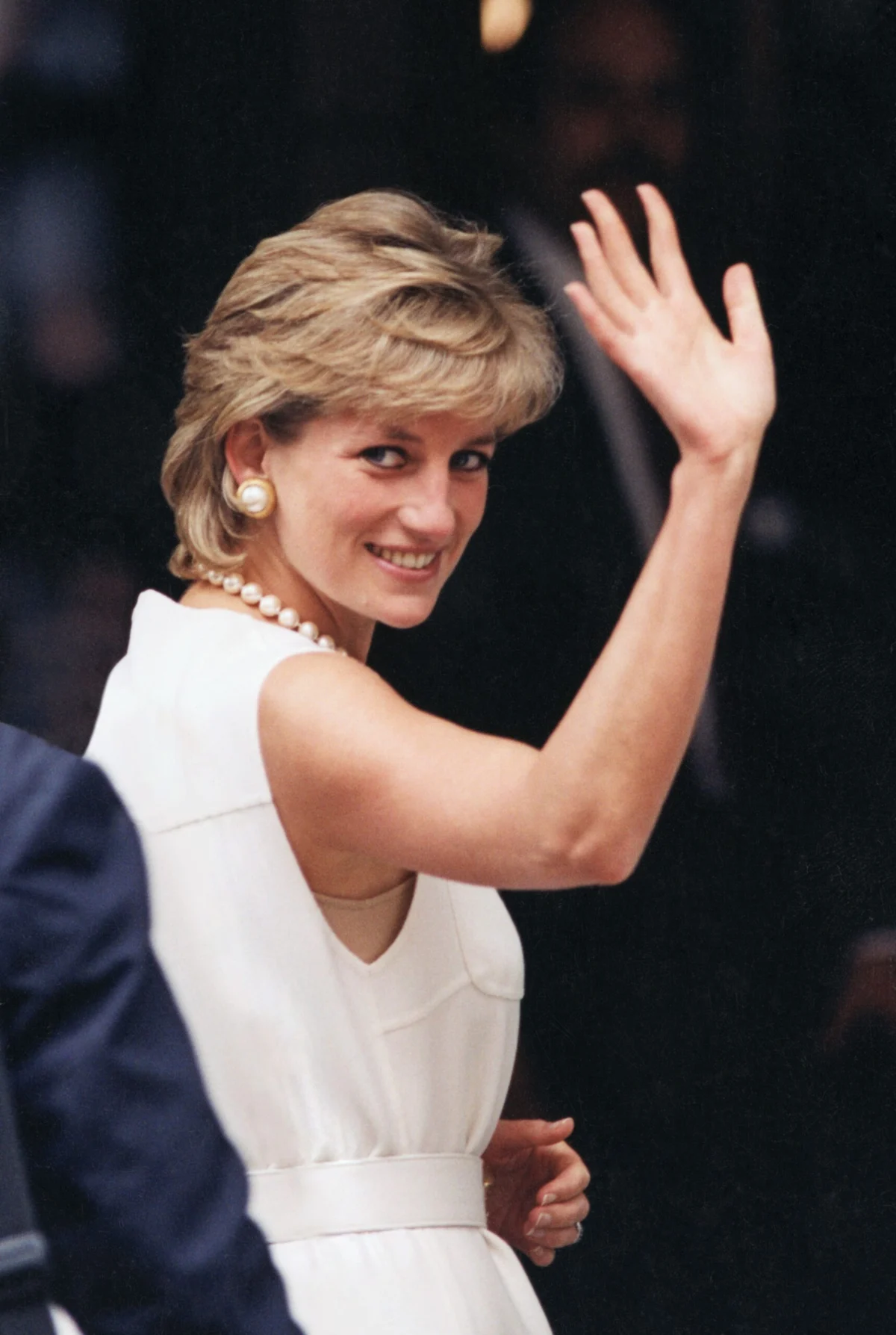
Perhaps no figure influenced 1980s fashion more profoundly than Diana, Princess of Wales. Her penchant for the "pussy bow" or "lazo" blouse turned a conservative garment into a global trend. These blouses, often featuring high collars and oversized bows at the neck, were the epitome of 80s elegance.

For Summer 2026, the pussy bow blouse is being updated with a focus on "oversized fluidity." Brands like Eleventy are producing these tops in relaxed fits that move away from the rigid tailoring of the past. The contemporary way to wear this trend is by pairing it with long, structured white skirts and loafers. This styling choice moves the garment away from "office-wear" and into the realm of "resort-chic." The white-on-white or neutral-on-neutral color schemes are expected to be a dominant palette for the 2026 season, providing a sophisticated alternative to the neon colors often associated with the 80s.

Polka Dots and Palazzo Pants: A Lesson in Proportion
The 1980s were a decade of bold patterns, with polka dots serving as a favorite for designers like Carolina Herrera and Pierre Cardin. Herrera, in particular, used the pattern to create a sense of timelessness and "Upper East Side" sophistication. The pattern’s return for 2026 is characterized by a play on proportions—mixing micro-dots with oversized "coin" dots.

The modern fashion directive for polka dots emphasizes a "distinguished" bottom half. Instead of the tight leggings or mini-skirts of the 80s, stylists are recommending palazzo pants. This wide-leg silhouette balances the visual busyness of the polka dot print. To further modernize the look, fashion influencers are increasingly pairing this sophisticated ensemble with high-end white sneakers, such as those from Onitsuka Tiger. This "high-low" styling reflects a broader trend in the luxury market where traditional elegance is infused with athletic-inspired comfort.
.jpg)
The Peplum Silhouette and the Hourglass Revival
The peplum—a flared ruffle attached at the waistline—was a staple of 1980s "power suits," designed to accentuate the hourglass figure. While the peplum fell out of favor in the 2010s due to overexposure in "fast fashion," it is making a high-quality comeback for Summer 2026. Contemporary designers like Ganni are refining the peplum, making it more subtle and integrated into the blouse’s structure rather than appearing as an afterthought.

The 2026 peplum blouse is most effectively styled with capri pants or "pedal pushers," another retro item seeing a resurgence. This combination highlights the ankles and waist, creating a feminine silhouette that feels fresh rather than dated. Footwear choices for this look are diverse, ranging from heeled sandals to minimalist mules by brands like Aeyde.

Broader Impact and Global Market Implications
The return of 1980s blouse trends carries significant implications for the global textile and retail industries. Manufacturing data suggests a shift toward more complex garment construction, as the ruffles, boning, and pleated sleeves of these blouses require more labor-intensive processes than the t-shirts and simple tanks of previous seasons. This has led to a slight uptick in the "premiumization" of the mid-market, as retailers invest in better construction to justify higher price points.

Furthermore, the 80s revival is fueling a boom in the luxury resale market. Collectors are increasingly seeking out original 1980s pieces from Yves Saint Laurent, Thierry Mugler, and Emanuel Ungaro. This "vintage-first" mentality among Gen Z and Millennial consumers is forcing primary retailers to ensure their new collections carry an "authentic" retro feel.

From a sociological perspective, the return to 80s drama reflects a desire for visibility in a post-digital world. The bold shoulders and intricate details of these blouses are designed to be seen—whether in person or through a screen. As we move toward the Summer 2026 season, the message from the fashion industry is clear: the past is not just a source of inspiration, but a toolkit for navigating the complexities of modern identity through style. The 1980s blouse, in all its varied forms, stands as the definitive garment of this expressive new era.

0 Comments