
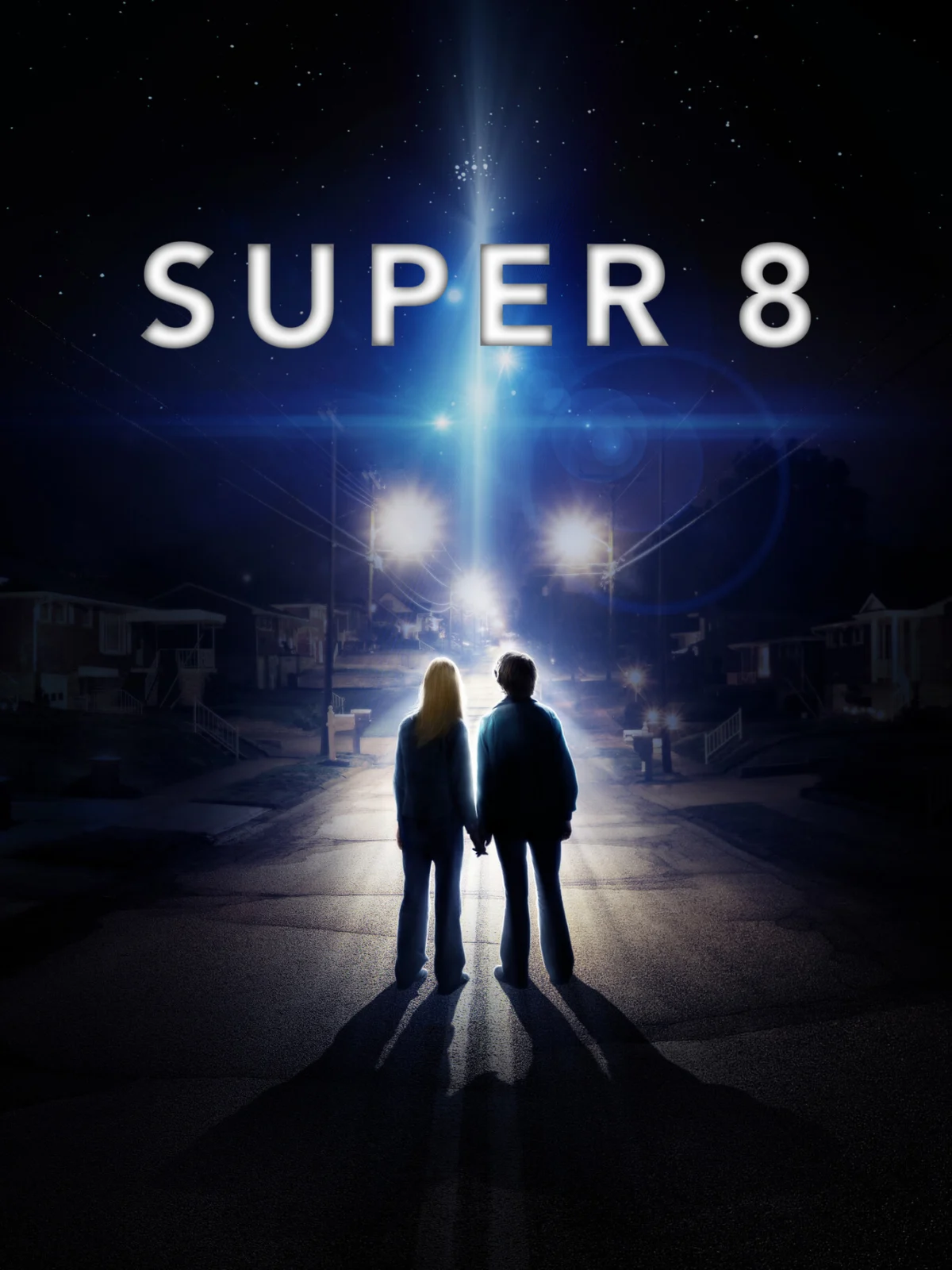
In the summer of 2011, the cinematic landscape witnessed a unique convergence of two powerhouse creators: J.J. Abrams, the architect of modern mystery-box storytelling, and Steven Spielberg, the legendary director who defined the "blockbuster" era. Their collaboration, titled Super 8, served as both a high-octane science fiction thriller and a poignant coming-of-age drama. While the film was a significant commercial and critical success upon its release, its legacy has grown increasingly relevant in recent years. This resurgence in interest is largely due to its status as a foundational influence on the Netflix phenomenon Stranger Things and its current availability on global streaming platforms like Netflix. Super 8 remains a masterclass in blending spectacle with genuine human emotion, specifically focusing on the themes of grief, childhood friendship, and the loss of innocence against a backdrop of extraterrestrial intervention.
The Genesis of a Modern Classic
The production of Super 8 was born from two distinct ideas held by J.J. Abrams. The first was a desire to create a film about a group of children in the late 1970s who were passionate about filmmaking, specifically using the Super 8mm film format that was popular at the time. The second idea was a more traditional high-concept science fiction premise involving a mysterious entity escaping from a government transport. Initially, Abrams struggled to make the "kids making a movie" concept work as a standalone feature, fearing it lacked the commercial hook required for a major studio production. It was only when he merged this grounded, nostalgic narrative with the science fiction element—under the guidance and production of Steven Spielberg—that the project found its soul.
Spielberg’s involvement through Amblin Entertainment was more than a mere producer credit. The film was designed as an intentional homage to the "Amblin style" of the 1980s, characterized by films like E.T. the Extra-Terrestrial, Close Encounters of the Third Kind, and The Goonies. These films typically featured blue-collar families, suburban settings, and children who find themselves at the center of extraordinary events that the adult world is either too cynical or too distracted to notice. By setting the film in 1979, Abrams was able to capture the specific aesthetic of that era—the clothes, the cars, the lack of digital technology—while utilizing modern filmmaking techniques to deliver a visual spectacle that matched 21st-century expectations.

A Chronology of Events: From a Train Wreck to a Town Under Siege
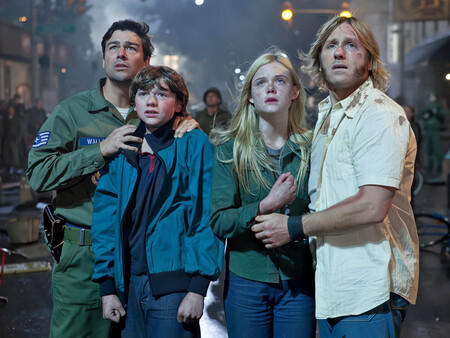
The narrative of Super 8 is set in the fictional town of Lillian, Ohio, in the summer of 1979. The protagonist, Joe Lamb (played by Joel Courtney), is a young boy mourning the recent death of his mother in a factory accident. His relationship with his father, Jack (Kyle Chandler), the local deputy, is strained by their shared but unexpressed grief. Joe finds solace in his group of friends, led by the aspiring and bossy director Charles (Riley Griffiths), as they attempt to finish a low-budget zombie film for a local competition.
The inciting incident occurs during a midnight shoot at a remote train depot. While filming a scene involving their classmate Alice (Elle Fanning), the children witness a truck deliberately driving onto the tracks, causing a catastrophic derailment of a passing U.S. Air Force train. This sequence, noted for its intensity and sound design, serves as the catalyst for the film’s shift from a suburban drama to a military thriller. In the aftermath of the crash, the town of Lillian is slowly overtaken by the military, led by the ruthless Colonel Nelec (Noah Emmerich).
As strange occurrences begin to plague the town—dogs disappearing, electrical components being stolen, and eventually, people going missing—the children realize that their Super 8 camera captured something the military is desperate to hide. The film then follows a dual-track timeline: the military’s escalating and increasingly violent attempts to contain the "entity" that escaped the train, and the children’s efforts to rescue Alice after she is abducted by the creature. This culminates in a final act where the truth about the visitor is revealed, shifting the tone from horror to empathy.
Statistical and Critical Performance
Upon its release on June 10, 2011, Super 8 was a formidable contender in a crowded summer box office. Produced on a relatively modest budget of $50 million—a fraction of what contemporary superhero films cost—the movie was a massive financial success. It earned $35.4 million in its opening weekend in the United States and went on to gross over $260 million worldwide.

The critical reception was equally strong. The film currently holds a "Certified Fresh" rating on Rotten Tomatoes, with an approval rating of over 80%. Critics praised the performances of the young cast, particularly Elle Fanning, who was singled out for her emotional depth and screen presence. The film also received accolades for its technical achievements. Michael Giacchino’s score, which evoked the sweeping orchestral themes of John Williams, was widely lauded, as was the cinematography by Larry Fong. Fong utilized anamorphic lenses and intentional lens flares—a stylistic hallmark of J.J. Abrams—to create a visual language that felt both retro and futuristic.
Analyzing the Emotional Core: Grief and the "Monster"
What separates Super 8 from a standard monster movie is its thematic preoccupation with loss. The "alien" in the film is not a traditional antagonist in the sense of a conqueror or a mindless predator. Instead, the creature is revealed to be a sentient being that was captured by the U.S. government in 1958 and subjected to decades of torture and experimentation. Its violent behavior in Lillian is a direct result of its trauma and its desperate need to rebuild its ship and return home.
This mirrors the internal journey of Joe Lamb. Throughout the film, Joe clings to a locket that belonged to his mother, symbolizing his inability to move past his grief. The resolution of the film does not involve a military victory or the destruction of the alien. Instead, it involves a moment of profound empathy. When Joe finally confronts the creature, he recognizes its pain and utters the pivotal line, "I know something bad happened to you. But you can still go."
This moment allows Joe to finally let go of his mother’s locket—and by extension, his paralyzing grief—as the alien uses the town’s metal scrap to construct its vessel and depart. This thematic resonance is a hallmark of Spielberg’s influence, suggesting that the "monsters" we fear are often just reflections of our own unresolved trauma or the cruelty of those who seek to control what they do not understand.
Official Responses and Production Insights
In interviews following the film’s release, J.J. Abrams emphasized that the "Super 8" aspect of the story was the most personal for him. He and Spielberg both grew up making 8mm films, and they viewed the movie as a tribute to that tactile, collaborative form of storytelling. Abrams noted that the military presence in the film was intended to represent the "adult world" encroaching on the sanctuary of childhood—a theme that resonated with audiences who grew up during the Cold War era.
The military’s portrayal in the film was intentionally stark. Colonel Nelec represents the cold, calculated interests of the state, prioritizing containment and weaponization over human (or extraterrestrial) life. This depiction sparked discussions among film analysts regarding the film’s critique of the military-industrial complex, though Abrams maintained that the primary focus was always the personal growth of the children.
The Broader Impact: Paving the Way for Stranger Things
Perhaps the most significant legacy of Super 8 is its role in reviving the "kids on bikes" subgenre. Before 2011, the industry had largely moved away from small-town sci-fi stories focused on pre-teens. Super 8 proved that there was a massive appetite for 1970s and 80s nostalgia, provided it was anchored by strong characters and high stakes.
The Duffer Brothers, creators of Stranger Things, have frequently cited the works of Spielberg and the aesthetic of Super 8 as primary inspirations for their series. The parallels are unmistakable: a group of nerdy friends, a girl with mysterious connections to the plot, a small town disrupted by government secrets, and a creature from another realm. Super 8 served as a proof-of-concept for the modern era, showing that the "Amblin" formula could be successfully updated for a new generation.

Furthermore, the film served as a launchpad for its young stars. Elle Fanning transitioned from a child actress to a major Hollywood star, while Joel Courtney has maintained a steady career in both film and television. The film’s success also solidified J.J. Abrams’ reputation as a director capable of handling major franchises, eventually leading to his work on Star Trek and Star Wars.
Conclusion: Why Super 8 Matters Today
In an era dominated by interconnected cinematic universes and CGI-heavy spectacles, Super 8 stands as a reminder of the power of standalone storytelling. Its availability on Netflix allows a new generation of viewers—many of whom discovered the genre through Stranger Things—to see the blueprint that made such shows possible.
The film remains a compelling watch because it balances its "mystery box" elements with a sincere heart. It acknowledges that while aliens and government conspiracies are frightening, the true challenge of growing up is learning how to process pain and find the courage to let go. By combining the technical prowess of J.J. Abrams with the humanistic touch of Steven Spielberg, Super 8 secured its place as a definitive piece of modern science fiction, proving that the most powerful stories are those that look back at where we came from while staring directly into the unknown.

0 Comments