
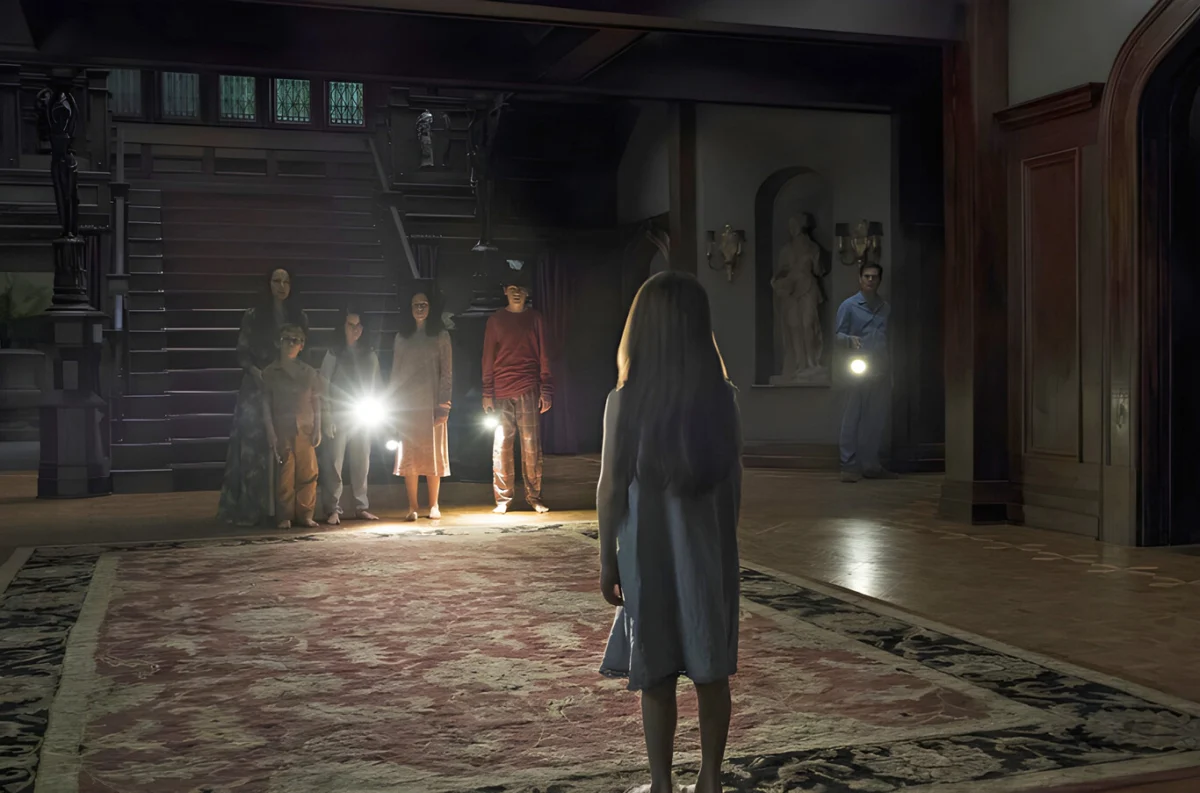
The release of The Haunting of Hill House in October 2018 marked a significant turning point for supernatural fiction on streaming platforms, establishing a new benchmark for how horror could be integrated with profound familial drama. Created, directed, and edited by Mike Flanagan, the ten-episode limited series was not merely a remake of Shirley Jackson’s 1959 gothic novel but a radical reimagining that expanded the source material into a sprawling multi-generational epic. Nearly eight years after its debut, the series continues to hold its position at the zenith of Netflix’s original programming, recently solidified by Entertainment Weekly, which ranked it as the best original series in the history of the streaming giant. This accolade is supported by a rare consensus among critics, audiences, and masters of the genre, including Stephen King and Quentin Tarantino, both of whom have publicly lauded the production for its technical precision and emotional resonance.
The Genesis of a Modern Gothic Classic
To understand the impact of The Haunting of Hill House, one must look at the landscape of horror in the late 2010s. While the genre was experiencing a "prestige" revival in cinema through studios like A24, television horror often relied on episodic anthologies or high-camp aesthetics. Mike Flanagan, who had already established himself with films such as Oculus and Hush, approached the project with the intent of treating the supernatural elements as metaphors for psychological trauma.
The series serves as a loose adaptation of Shirley Jackson’s seminal work, which had previously been adapted into two feature films: the 1963 classic The Haunting and the critically panned 1999 version of the same name. Flanagan’s version departs from the book’s premise of a group of strangers investigating a haunted house, instead focusing on the Crain family. By restructuring the narrative to follow five siblings who grew up in the most famous haunted house in America, Flanagan transformed a standard ghost story into a meditation on how childhood trauma dictates adult behavior.
A Narrative Architecture of Grief and Trauma
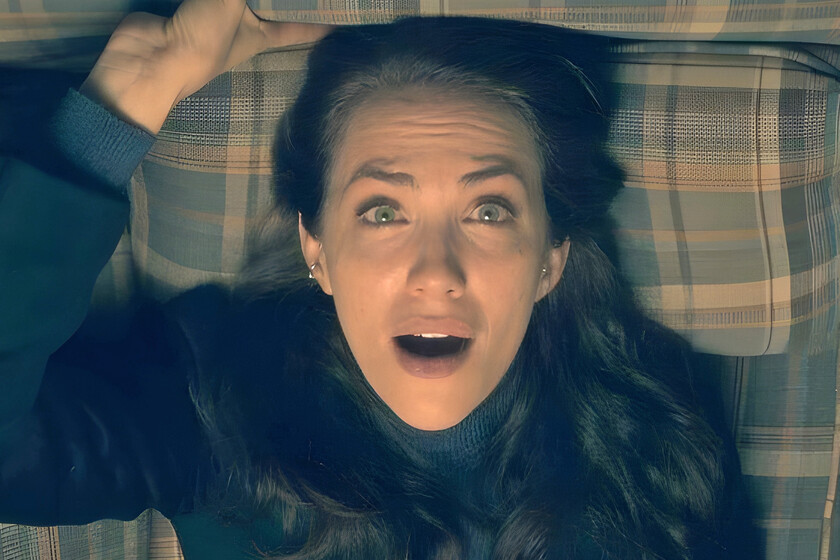
The Haunting of Hill House utilizes a dual-timeline structure, weaving between the summer of 1992, when the Crain family lived in the mansion, and the present day, where the adult siblings remain fractured by their experiences. The narrative is meticulously organized, with the first five episodes each focusing on a specific sibling: Steven, Shirley, Theodora, Luke, and Eleanor (Nell). This structure allows the audience to view the same tragic events through five different lenses, revealing layers of the mystery with each installment.
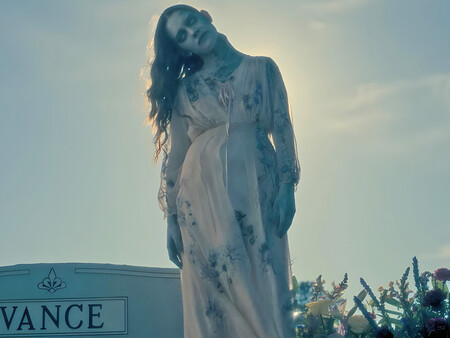
A widely accepted analytical framework for the series suggests that the five Crain siblings represent the five stages of grief. Steven, the eldest and a skeptic who profits from ghost stories he doesn’t believe in, represents Denial. Shirley, a mortician obsessed with control and propriety, represents Anger. Theo, a child psychologist who wears gloves to block out the psychic emotions of others, represents Bargaining. Luke, struggling with a heroin addiction to numb his childhood terrors, represents Depression. Finally, Nell, whose life is defined by the "Bent-Neck Lady" that haunts her, represents Acceptance. This thematic depth elevated the show beyond the constraints of the horror genre, making it accessible to viewers who typically avoid supernatural content.
Technical Mastery: Long Takes and Hidden Horrors
Beyond its writing, the series is a masterclass in technical filmmaking. Cinematographer Michael Fimognari worked closely with Flanagan to create a visual language that felt both claustrophobic and expansive. The most notable example of this is Episode 6, "Two Storms," which consists of five extraordinarily long takes, one of which lasts 17 minutes. This episode required months of rehearsal and a specially designed set with movable walls to allow the camera to travel seamlessly between the past and the present. The technical achievement of "Two Storms" is often cited by film schools as a premier example of using long takes to build sustained tension and emotional intimacy.
Furthermore, Flanagan utilized a unique "easter egg" strategy that encouraged repeat viewings. Throughout the series, dozens of "hidden ghosts" are tucked away in the background of scenes—standing in doorways, peeking from under tables, or reflected in mirrors. These apparitions are never acknowledged by the characters and are often out of focus, creating a pervasive sense of unease that the house is truly alive and watching its inhabitants. This subtle approach to scares stands in stark contrast to the "jump-scare" heavy tactics of contemporary horror films.

Critical Acclaim and the Endorsement of Literary Giants
The reception of The Haunting of Hill House was overwhelmingly positive, boasting a high approval rating on platforms like Rotten Tomatoes and Metacritic. However, the most significant endorsements came from the architects of modern storytelling. Stephen King, whose work Flanagan would later adapt in Doctor Sleep, took to social media to praise the series, stating, "I don’t usually care for this kind of revisionism, but this is great. Close to a work of genius, really." King’s endorsement carried immense weight, signaling to his vast fanbase that the series honored the spirit of gothic literature.
Quentin Tarantino also expressed his admiration for the series, labeling it his favorite Netflix production. The director, known for his rigorous standards regarding dialogue and pacing, noted that the series achieved a level of cinematic quality rarely seen on the small screen. These reactions helped the show transcend the "streaming" label, positioning it as a significant piece of 21st-century media.
The Physical and Psychological Toll on Global Audiences
Upon its release in 2018, the series became a viral phenomenon, not just for its story, but for the visceral reactions it elicited from viewers. Social media platforms were flooded with reports of "The Hill House Effect," where viewers claimed to experience insomnia, anxiety attacks, and even physical symptoms like nausea after binge-watching the series. While some of these reports were undoubtedly hyperbolic, they pointed to a genuine truth: the show’s horror was more than skin-deep.
Unlike many horror series that rely on gore, Hill House focused on "existential dread." The revelation in Episode 5, "The Bent-Neck Lady," remains one of the most discussed plot twists in television history. It recontextualized an entire character’s life of suffering as a closed-loop paradox, moving the audience from fear to profound sadness. This ability to provoke such a wide range of intense emotions contributed to the show’s reputation as the "most terrifying" series on streaming—not because of what was behind the door, but because of what the characters carried within themselves.
Chronology of the Mike Flanagan Era at Netflix
The success of The Haunting of Hill House initiated a multi-year partnership between Mike Flanagan’s Intrepid Pictures and Netflix, often referred to by fans as the "Flanaverse." This era saw the release of several high-profile limited series that explored different facets of the horror genre:
- The Haunting of Hill House (2018): The foundational series focusing on family trauma and gothic ghosts.
- The Haunting of Bly Manor (2020): A follow-up anthology based on the works of Henry James, focusing on "gothic romance" and the idea that a ghost is a "dream that’s gone bad."
- Midnight Mass (2021): A deeply personal project for Flanagan that explored religious fanaticism and addiction through the lens of vampire mythology.
- The Midnight Club (2022): A young-adult-oriented series based on Christopher Pike’s novels, dealing with terminal illness and the stories we tell to survive.
- The Fall of the House of Usher (2023): A modern-day reimagining of Edgar Allan Poe’s stories, serving as a scathing critique of corporate greed and the opioid crisis.
In late 2022, it was announced that Flanagan would move his production deal to Amazon MGM Studios, making his Netflix body of work a completed, self-contained legacy. The Haunting of Hill House remains the crown jewel of this collection, representing the purest distillation of his directorial voice.
Analyzing the Broader Impact on the Horror Genre
The Haunting of Hill House proved to streaming executives that horror could be "prestige" television. Before 2018, the genre was often relegated to low-budget productions or niche audiences. Flanagan’s success demonstrated that a high-budget, character-driven horror series could achieve the same level of cultural prestige as dramas like The Crown or Stranger Things.
The series also influenced a shift in how horror narratives are paced. By utilizing the limited series format, Flanagan was able to dedicate ten hours to a story that would have been compressed into two hours in a theatrical setting. This allowed for the slow-burn character development that makes the eventual scares feel earned rather than cheap. The "Flanagan style"—characterized by long monologues, emotional vulnerability, and a rejection of traditional horror tropes—has since become a blueprint for other creators in the space.
In the context of Netflix’s business model, Hill House remains a "long-tail" success. Unlike many series that see a massive spike in viewership at launch followed by a total decline, Hill House is frequently revisited by subscribers during the Halloween season and continues to appear in "Top 10" lists for the horror category years after its conclusion. Its recent ranking by Entertainment Weekly as the #1 Netflix series of all time underscores its enduring relevance in an increasingly crowded digital marketplace.
As the industry moves toward more fragmented content, The Haunting of Hill House stands as a testament to the power of singular directorial vision. It remains a definitive guide on how to tell a story that scares the viewer, breaks their heart, and ultimately offers a glimmer of hope through the darkness of the Red Room. For those who have yet to step inside the gates of Hill House, the series offers an experience that is as intellectually stimulating as it is terrifying, proving that the most enduring ghosts are the ones we carry with us.

0 Comments