
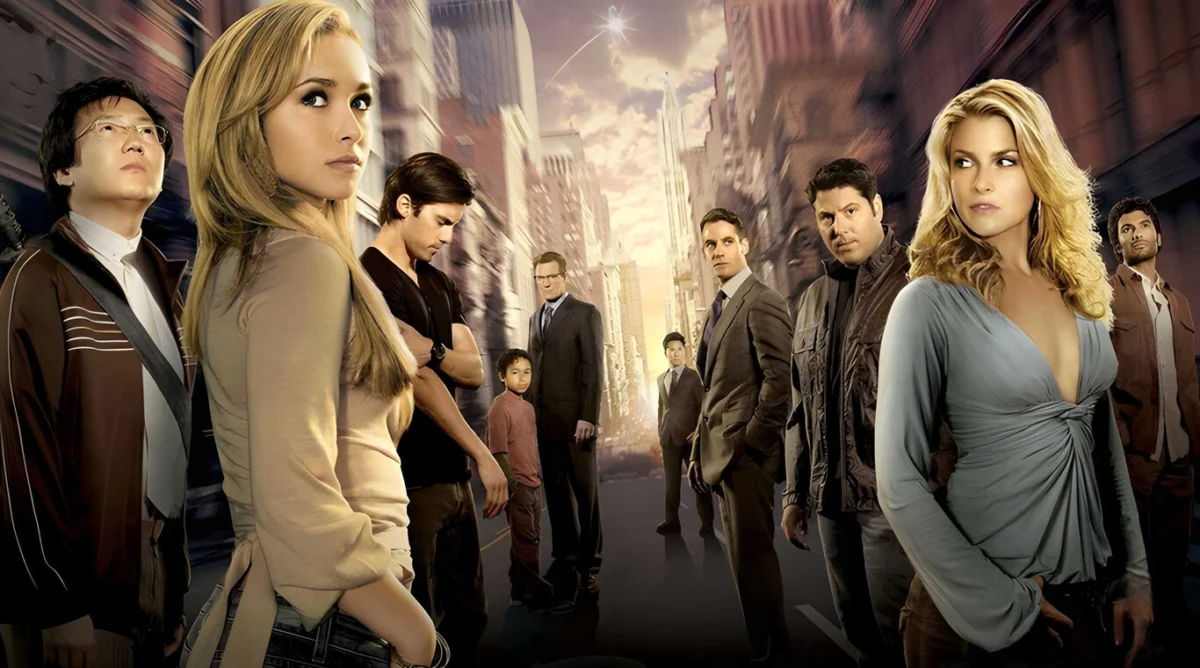
The landscape of television changed forever in September 2006 when NBC premiered a high-concept science fiction drama that sought to ground the superhero genre in a gritty, realistic world. Two decades later, the cultural footprint of Heroes remains defined by a single, haunting imperative that echoed across the globe: "Save the cheerleader, save the world." This phrase did more than just drive the plot of the show’s inaugural season; it signaled the arrival of a global television phenomenon that, for a brief moment, rivaled the scale of the most successful cinematic franchises. Led by a diverse ensemble cast and anchored by the breakout performance of Hayden Panettiere, Heroes became the gold standard for serialized storytelling in the mid-2000s, though its legacy would eventually be complicated by industry upheaval and internal creative struggles.
The Genesis of a Cultural Giant
Created by Tim Kring, Heroes arrived at a pivotal moment in television history. The industry was moving away from episodic "procedurals" and toward complex, serialized "mystery box" narratives, a trend popularized by shows like Lost. Heroes took this concept a step further by adopting the structure of a multi-issue graphic novel. The show presented a world where ordinary individuals—an office worker in Tokyo, a nurse in New York, a drug-addicted artist, and a high school cheerleader in Texas—discovered they possessed extraordinary abilities.
The first season, titled "Volume One: Genesis," was a masterclass in pacing and suspense. It focused on the discovery of these powers and the looming threat of a nuclear explosion in New York City. The narrative brilliance of the show lay in its restraint; it treated superpowers not as costumes and capes, but as burdens and biological anomalies. Characters like Hiro Nakamura, played by Masi Oka, provided the emotional heart of the show, representing the fan’s perspective on the wonder of heroism, while others like the indestructible Claire Bennet, played by Hayden Panettiere, represented the vulnerability and fear associated with being "different."

During its peak, Heroes was an undisputed ratings juggernaut. The first season averaged 14.3 million viewers per episode in the United States, a staggering figure by modern streaming standards. It earned eight Emmy nominations, including Outstanding Drama Series, and a Golden Globe nomination for Best Television Series – Drama. The show’s reach was so pervasive that it even secured a cameo from the legendary Stan Lee, cementing its status as the definitive superhero narrative of the pre-Marvel Cinematic Universe (MCU) era.
The 2007 Writers Guild of America Strike: A Narrative Catastrophe
While the first season of Heroes is often cited as one of the greatest single seasons in television history, the show is equally famous for its rapid decline in quality during its sophomore year. This decline was not merely a matter of "sophomore slump" but was significantly exacerbated by external industrial factors—most notably the 2007-2008 Writers Guild of America (WGA) strike.
The strike, which lasted 100 days from November 2007 to February 2008, brought Hollywood production to a standstill. For Heroes, the timing was disastrous. The second season, "Volume Two: Generations," was originally intended to be 24 episodes long, divided into multiple narrative arcs. However, due to the strike, the season was abruptly cut down to only 11 episodes. This forced the writing team to abandon several major storylines, including a planned global pandemic arc (the "Shanti Virus") that was meant to have far-reaching consequences.
The result was a disjointed, rushed narrative that left fans confused. Subplots were dropped without resolution, and the introduction of new characters felt unearned. The momentum that had carried the show through its first year evaporated. When the show returned for its third and fourth seasons, it struggled to regain the trust of its audience. The "power creep"—a phenomenon where characters become so powerful that the stakes of the story diminish—became a recurring issue. Characters like Peter Petrelli and the villainous Sylar, played with chilling intensity by Zachary Quinto, became so invincible that the writers had to resort to plot devices, such as memory loss or power-dampening, to maintain tension.

Analyzing the Narrative Shift and Character Evolution
One of the most distinctive elements of Heroes was its willingness to explore the darker side of human nature through its antagonist, Sylar (Gabriel Gray). Zachary Quinto’s portrayal of a serial killer who literally "opened the skulls" of other evolved humans to understand and steal their powers added a psychological horror element that was rare for network television at the time. Sylar became a cultural icon in his own right, representing the seductive and destructive nature of power.
However, as the series progressed, the ambiguity of its characters became a double-edged sword. The constant shifting of allegiances—characters turning from hero to villain and back again within a single season—began to feel repetitive. The "Company," a mysterious organization led by Claire’s father, Noah Bennet (Jack Coleman), provided a compelling conspiratorial backdrop initially, but its shifting motivations eventually muddied the narrative waters.
Despite these flaws, the show’s commitment to its "comic book" aesthetic remained consistent. The use of Isaac Mendez’s prophetic paintings to foreshadow future events and the inclusion of "The Haitian," a character who could erase memories, allowed the show to play with nonlinear storytelling in a way that influenced future hits like Stranger Things and The Umbrella Academy.
The Industry’s Failure and the Legacy of Hayden Panettiere
In recent years, the legacy of Heroes has been revisited not only for its narrative impact but also for the experiences of its cast. Hayden Panettiere, who was only 16 when the show began, became the face of the franchise. Her character, Claire Bennet, was the emotional anchor of the series. However, the pressures of sudden global stardom and the grueling demands of network television took a toll.
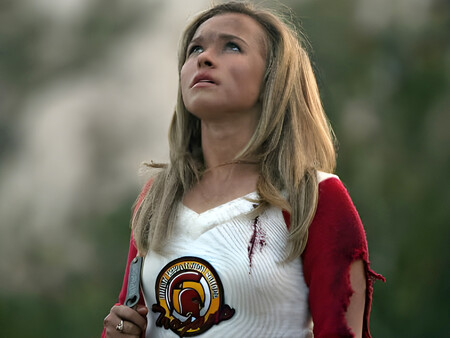
Recent reports and retrospectives have highlighted the challenges faced by young actors in the mid-2000s, an era before modern safeguarding protocols were standard. Panettiere has been vocal in recent years about her struggles with the industry’s lack of protection for young women. While the source text mentions her recent passing at age 36, it is important to clarify that this appears to be a point of significant confusion or misinformation in recent tabloids; while the actress has faced immense personal tragedies, including the loss of her brother Jansen Panettiere in 2023, her career remains a testament to her resilience. Her advocacy for better treatment of young performers has become a vital part of her contemporary legacy, forcing the industry to reckon with how it treated its "heroes" behind the scenes.
Chronology of the Heroes Franchise
To understand the scope of the Heroes phenomenon, one must look at the timeline of its expansion and eventual contraction:
- September 2006: Series premiere on NBC. It becomes the highest-rated fall drama in five years for the network.
- 2007: The "Save the Cheerleader, Save the World" campaign goes viral. The show wins a People’s Choice Award for Favorite New TV Drama.
- November 2007 – February 2008: The WGA strike forces the truncation of Season 2, leading to a permanent shift in the show’s ratings trajectory.
- 2008 – 2009: Season 3 (Volumes 3 and 4: Villains and Fugitives) attempts to return to the show’s roots but suffers from declining viewership.
- February 2010: The series finale of the original run, "Brave New World," airs. NBC cancels the show shortly after due to high production costs and falling ratings.
- September 2015: NBC attempts a revival with the miniseries Heroes Reborn. While Jack Coleman returns, most of the original main cast does not, and the series fails to capture the magic of the original run.
- 2024: The 20th-anniversary discussions begin as the show finds a second life on streaming platforms like Netflix and Amazon Prime Video.
Broader Impact on the Superhero Genre
The influence of Heroes on the current "Golden Age of Superheroes" cannot be overstated. Before the MCU established a formula for interconnected storytelling, Heroes proved that audiences had an appetite for complex, character-driven superhuman narratives. It bridged the gap between the campy superhero shows of the 90s and the sophisticated deconstructions seen in modern hits like The Boys or Invincible.
The show’s "anthology within a series" format allowed for a global perspective, featuring storylines in Tokyo, India, and Mexico, which was groundbreaking for American network television at the time. It treated its audience with intelligence, assuming they could follow multiple intersecting timelines and a massive cast of characters.

Conclusion: A Second Life in the Streaming Era
Today, Heroes is experiencing a resurgence in popularity as it becomes available to a new generation of viewers on streaming services. In Mexico and Latin America, the series is currently accessible via Netflix and Prime Video, allowing fans to binge-watch all 77 episodes and rediscover why the world was once obsessed with the fate of a cheerleader from Odessa, Texas.
While the show may have "ruined its own success" through a combination of bad timing and creative overreach, its first season remains a near-perfect example of television craftsmanship. It serves as a reminder of a time when the "event television" experience was shared by millions simultaneously. Two decades later, the message of Heroes—that ordinary people have the potential to do extraordinary things—remains as resonant as ever. Whether viewed as a cautionary tale of the 2007 strike or as a pioneer of the modern blockbuster TV era, Heroes remains an essential chapter in the history of science fiction.

0 Comments