
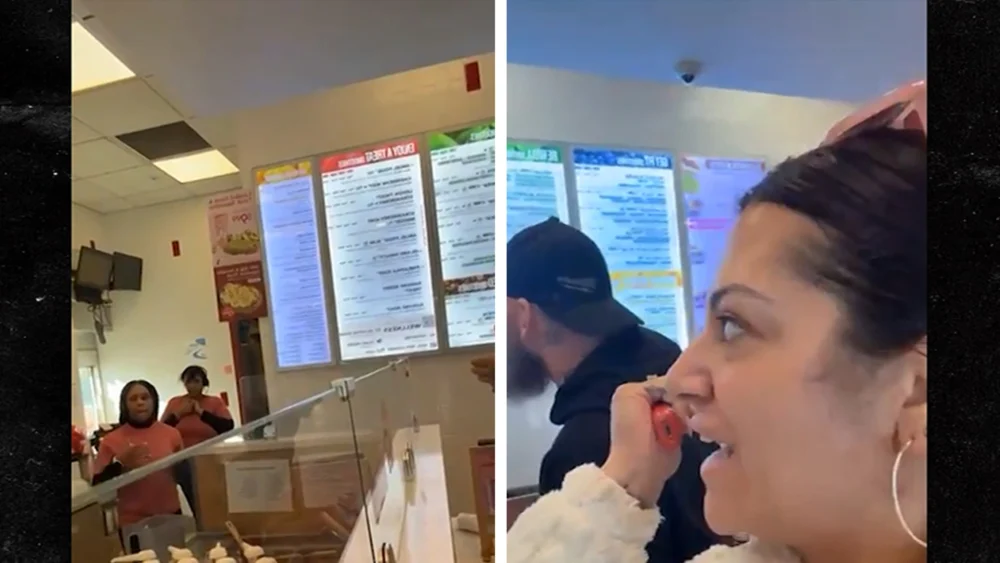
An incident at a Smoothie King franchise in Ann Arbor, Michigan, on or around March 4, 2026, sparked widespread discussion and corporate intervention after two employees allegedly refused service to a couple identified as supporters of former President Donald Trump. The contentious encounter, captured on video by one of the customers, Erika Lindemyer, quickly disseminated online, leading to swift action from the smoothie chain’s corporate headquarters and igniting debates on customer service, political expression, and the rights of both businesses and consumers in a polarized society.
The Confrontation in Ann Arbor
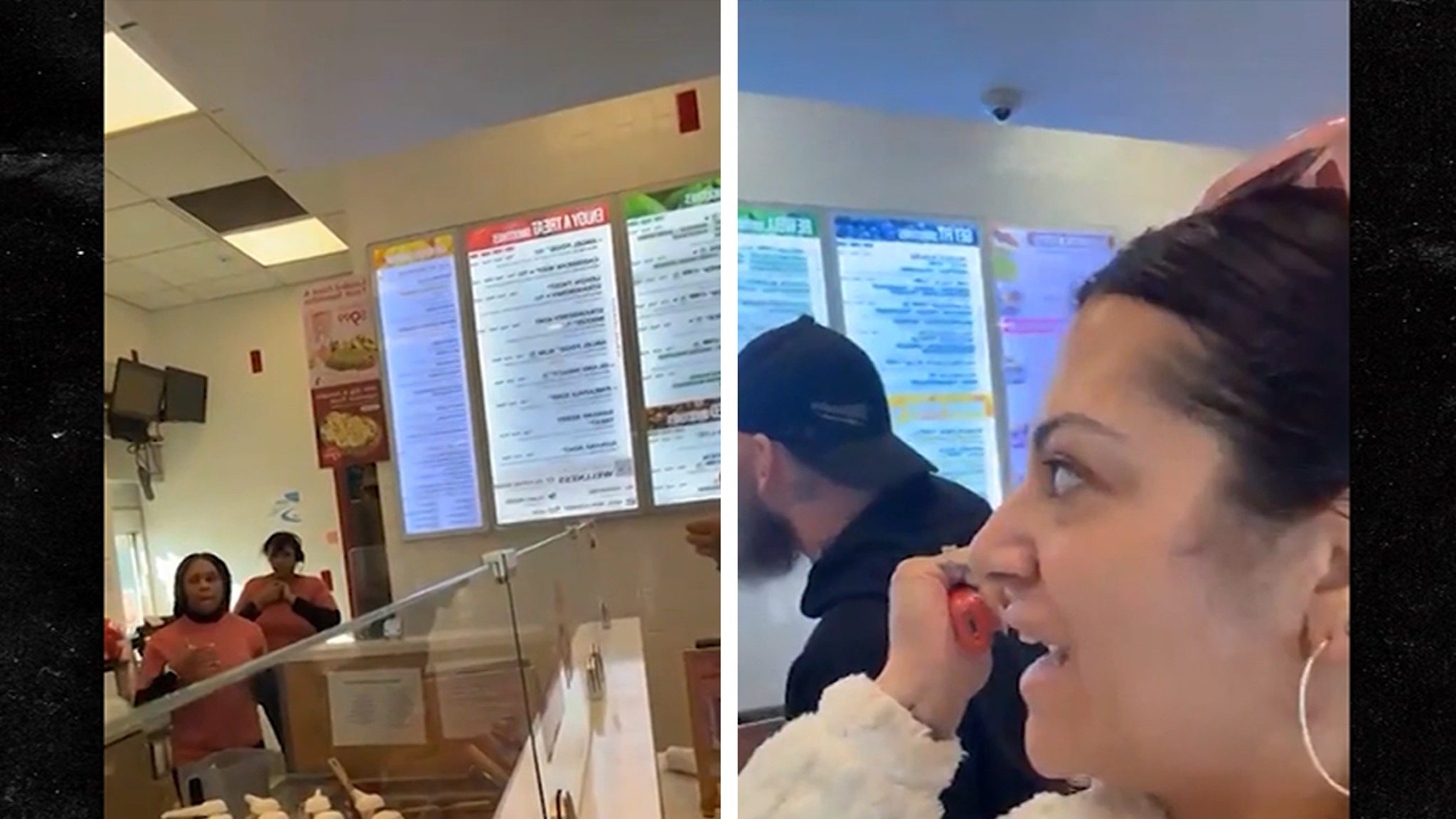
The incident unfolded when Erika Lindemyer and her husband entered the Smoothie King location in Ann Arbor. According to Lindemyer’s recorded account, they were met with immediate resistance from a female employee behind the counter. The video footage, which subsequently went viral, shows a tense exchange where the employee explicitly states her discomfort with serving individuals who support Donald Trump. Lindemyer can be heard asserting that the refusal constituted "illegal discrimination," a claim the employee vehemently rejected, countering that Trump’s political stance did not align with her personal values, and therefore, she did not feel comfortable providing service to his supporters.
The exchange escalated, with Lindemyer’s husband interjecting to comment on the employee’s job security following the incident. Despite the implicit threat, the employee remained resolute, gesturing for the couple to exit the premises. The footage ends with the couple leaving the store, unserved, but with the incident documented for a broader audience. This confrontation quickly became a flashpoint, encapsulating the deep divisions and often confrontational nature of political discourse that has permeated various aspects of American public life in recent years.
Legal Framework: The Right to Refuse Service
The incident immediately raised questions about the legal parameters surrounding a business’s "right to refuse service." In the United States, private businesses generally retain the right to refuse service to customers. However, this right is not absolute and is subject to significant limitations, primarily through anti-discrimination laws. Federal civil rights laws, such as the Civil Rights Act of 1964, prohibit discrimination based on protected characteristics like race, color, religion, sex, and national origin in places of public accommodation. Many states and municipalities have expanded these protections to include categories such as sexual orientation, gender identity, age, and disability.
Crucially, political affiliation is generally not a federally protected class. While some state or local ordinances might offer limited protections in certain contexts, refusing service solely based on a customer’s political views or expressed support for a political figure typically falls outside the scope of protected discrimination under federal law. This distinction is vital: a business cannot refuse service to someone because of their race, but it often can refuse service to someone behaving disruptively, or in some cases, for reasons related to political expression, provided it does not infringe upon a federally or locally protected characteristic.
The challenge for businesses often lies in navigating the grey areas and perceptions. While legally permissible, such actions can lead to significant public relations crises and accusations of unfairness, as evidenced by the Smoothie King incident. The line between a business’s right to manage its operations and the expectation of impartial service in a public-facing establishment remains a subject of ongoing debate, especially in an era of heightened political sensitivity.
Smoothie King’s Swift Corporate Response
Following the widespread circulation of the video, Smoothie King’s corporate office acted decisively to address the situation. In a public statement issued shortly after the incident, the company confirmed that the two employees involved had been terminated. This swift action underscored the company’s commitment to maintaining a neutral and inclusive environment for all customers, irrespective of their political affiliations.
The statement further indicated that Smoothie King had reached out to Erika Lindemyer and her husband "several times to apologize" for their experience. This proactive outreach highlighted the company’s efforts to mitigate the negative impact on its brand reputation and reassure its customer base that such behavior does not align with its corporate values. Beyond the terminations and apologies, the local franchise owner was mandated to implement comprehensive retraining for all employees. This retraining initiative aimed to reinforce company policies regarding customer service, non-discrimination, and appropriate conduct within the workplace, emphasizing the importance of treating all patrons with respect and professionalism. The corporate response illustrated a common strategy for large franchises facing such controversies: disavow the employees’ actions, apologize to the aggrieved customers, and implement measures to prevent recurrence, thereby protecting the brand’s integrity and public image.
Broader Context: Political Polarization and Commercial Spaces
This incident at Smoothie King is not an isolated event but rather a symptom of a broader societal trend: the increasing politicization of everyday interactions and commercial spaces. In an era marked by intense political polarization, fueled by social media and partisan news cycles, the boundaries between personal belief and professional conduct have become increasingly blurred. Public figures, politicians, and ordinary citizens alike often find their political stances impacting their daily lives, including their interactions in retail and service environments.
The years leading up to 2026 have seen numerous instances where businesses have become unwitting battlegrounds for political expression. From bakers refusing to create custom cakes for certain events to restaurant owners asking patrons to leave based on attire or rhetoric, these occurrences reflect a society grappling with how to balance individual freedoms, business rights, and the expectation of civil public discourse. Social media platforms amplify these incidents, turning local disputes into national headlines and generating fervent debate among millions. The "cancel culture" phenomenon, where individuals or organizations face public backlash and economic consequences for perceived missteps, further complicates the landscape for businesses and their employees.
Employee Rights and Corporate Expectations
While the focus often shifts to customer rights and corporate policy, the incident also sheds light on the dilemmas faced by employees. Individuals in service industries frequently find themselves on the front lines of societal tensions. They are expected to adhere to corporate policies that prioritize customer service and neutrality, even when those policies conflict with deeply held personal beliefs. In states like Michigan, which operates under "at-will employment" laws, employers generally have the right to terminate employees for any reason, or no reason at all, as long as it’s not for an illegal discriminatory purpose. This legal framework grants companies significant latitude in enforcing workplace conduct standards.
For the employees involved in the Smoothie King incident, their actions, while potentially driven by genuine political conviction, directly contravened the company’s operational guidelines for customer interaction. The terminations, while swift and severe, underscore the corporate expectation that employees, particularly those in customer-facing roles, must set aside personal political views to maintain an inclusive and professional service environment. This expectation is a cornerstone of brand reputation and customer trust, especially for national chains that aim to appeal to a diverse customer base.
Impact and Implications
The Ann Arbor Smoothie King incident carries several implications for businesses, consumers, and the broader social fabric. For businesses, it serves as a stark reminder of the importance of clear, well-communicated policies regarding employee conduct and customer service. It highlights the necessity of robust training programs that address potential conflicts arising from political and social differences, ensuring employees understand the boundaries between personal expression and professional responsibility. Moreover, it underscores the critical role of rapid and decisive corporate response in managing crises and preserving brand integrity in the age of viral content.
For consumers, the incident reinforces the understanding that while discrimination based on protected characteristics is illegal, the landscape concerning political views is far more nuanced. It also highlights the power of individuals, through video documentation and social media, to bring attention to incidents and hold businesses accountable. However, it also raises questions about the potential for weaponizing such incidents, regardless of legal standing, to generate public outrage and pressure.
Ultimately, this episode contributes to the ongoing national conversation about civility, tolerance, and the appropriate boundaries of political expression in commercial settings. As political polarization continues, businesses and individuals alike will likely face more such challenges, necessitating careful consideration of how to navigate these complex interactions while upholding principles of fair treatment and respect in an increasingly divided world. The Smoothie King incident in Ann Arbor stands as a cautionary tale and a case study in the ever-evolving dynamics of public interaction in contemporary America.

0 Comments