
 Raisa Andriana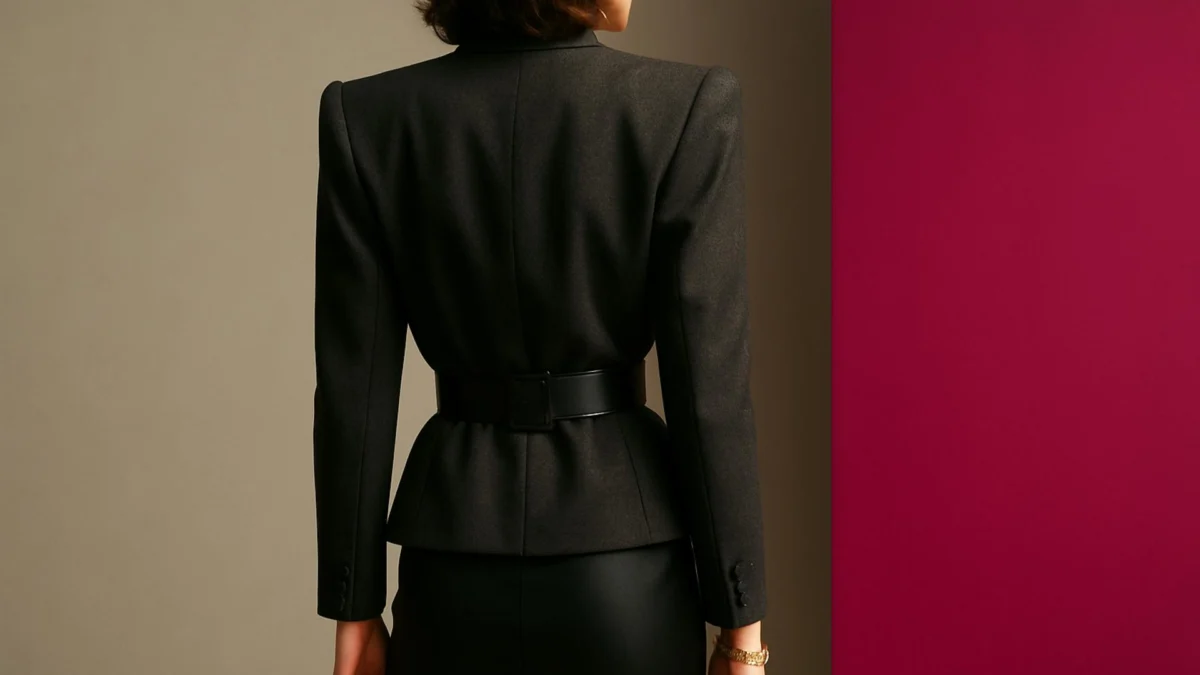
The fashion landscape of the 1980s remains one of the most transformative eras in modern history, characterized by a shift from the relaxed, bohemian silhouettes of the 1970s toward a more structured, intentional, and assertive aesthetic. Often simplified as a decade of neon colors and excess, the 1980s actually introduced a sophisticated language of power dressing, athletic integration, and subcultural diversity that continues to dominate contemporary runways and street style. This era was not merely about clothing; it was a visual manifestation of ambition, liberation, and the breaking of traditional gender boundaries within the professional and social spheres.
The Architectural Shift: Power Dressing and the Rise of the Silhouette
At the heart of the 1980s aesthetic was the concept of "power dressing." As women entered the workforce in unprecedented numbers, particularly in corporate and leadership roles, fashion adapted to provide a sense of authority and presence. The prominent shoulder pad became the architectural foundation of the decade. By widening the shoulders and narrowing the waist, designers created an inverted triangle silhouette that signaled strength and dominance.

This movement was spearheaded by designers such as Giorgio Armani, whose relaxed but structured tailoring revolutionized the professional wardrobe, and Thierry Mugler, who pushed the boundaries of the "power woman" with hyper-structured, almost sculptural garments. The impact of this silhouette was not limited to the boardroom; it filtered down into everyday wear, influencing everything from denim jackets to evening gowns. The "marked waist"—often achieved through wide, statement belts—served as a necessary counterpoint to the volume of the shoulders, ensuring that the human form remained defined amidst the bold proportions.
A Chronology of Style: 1980–1989
To understand the 1980s, one must view the decade as a progression of evolving social influences rather than a static moment in time.
The Early Years (1980–1983): Transition and New Wave
The early 1980s were marked by a lingering influence of late-70s softness, but with a growing interest in "Preppy" styles and the "New Romantic" movement. Figures like Princess Diana influenced a generation with pie-crust collars and feminine tailoring, while the music scene introduced synth-pop aesthetics involving ruffles, leather, and androgynous makeup.

The Mid-Decade (1984–1987): The Peak of Materialism and Media
This period saw the full maturation of the 1980s identity. The launch of MTV in 1981 had, by mid-decade, completely synchronized music and fashion. Madonna’s "Boy Toy" look—layering lace, crucifixes, and mesh—became a global phenomenon. Simultaneously, the fitness craze led by Jane Fonda introduced spandex, leg warmers, and leotards into the mainstream, birthing the "athleisure" movement decades before the term was officially coined.
The Late Years (1988–1989): Logomania and the Seeds of Minimalism
As the decade drew to a close, fashion became increasingly brand-conscious. Logomania took hold, with luxury houses like Chanel and Christian Dior emphasizing visible branding. However, the late 80s also saw the emergence of the "Antwerp Six" and Japanese designers like Rei Kawakubo and Yohji Yamamoto, who began to challenge the decade’s opulence with deconstructed, monochromatic, and oversized garments, setting the stage for the minimalist 90s.
Supporting Data: The Economic and Cultural Drivers of 80s Trends
The dominance of 80s fashion was fueled by significant economic shifts. The decade saw a surge in consumerism, driven by a booming stock market and the rise of the "Yuppie" (Young Urban Professional). According to historical retail data, the luxury goods market expanded by over 15% annually during the mid-80s.

Furthermore, the influence of television cannot be overstated. Shows like Dynasty and Dallas reached millions of viewers globally, exporting the American vision of glamour—sequins, faux fur, and dramatic jewelry—to international markets. Costume designer Nolan Miller, who worked on Dynasty, reportedly had a weekly wardrobe budget of $35,000, illustrating the era’s commitment to visual opulence.
In the contemporary market, the "80s revival" is backed by significant consumer interest. Fashion tech platforms and resale sites like Depop and Vestiaire Collective have reported a 40% increase in searches for "vintage blazers" and "80s denim" over the last 24 months. This resurgence is driven largely by Gen Z and Millennial consumers seeking the "character denim" and "nocturnal shine" that defined the era’s nightlife.
Subcultures and the Diversification of the Uniform
While the "Power Suit" dominated the mainstream, the 1980s were equally defined by vibrant subcultures that used fashion as a tool for rebellion and identity.

- The Hip-Hop Influence: In urban centers, the rise of hip-hop introduced a new vocabulary of style involving tracksuits, heavy gold jewelry, and sneakers (notably the Adidas Superstar). This movement prioritized comfort and "swagger," laying the groundwork for modern streetwear.
- Punk and Goth: Continuing from the late 70s, the punk movement evolved into various offshoots, including Goth and Post-Punk. These styles utilized black leather, safety pins, and dramatic lace to reject the polished materialism of the "Yuppie" culture.
- The Japanese Avant-Garde: Designers like Issey Miyake introduced pleating techniques and structural innovations that moved away from the Western obsession with the hourglass figure, offering a more intellectual and gender-neutral approach to clothing.
Industry Responses and the Contemporary Revival
Modern designers have frequently returned to the 1980s archives to find inspiration for the current cultural moment. Anthony Vaccarello at Saint Laurent has consistently utilized the exaggerated shoulder and mini-skirt combination, while Demna Gvasalia at Balenciaga has reimagined the oversized tailoring of the late 80s for a new generation.
Fashion analysts suggest that the current return to 80s aesthetics is a reaction to the "minimalist fatigue" of the 2010s. "The 80s represent a time of unapologetic visibility," notes one industry consultant. "In an era of social media, where the image is paramount, the bold silhouettes and high-contrast colors of the 80s provide the perfect visual impact."
Furthermore, the 80s emphasis on "investment pieces"—such as a high-quality leather jacket or a well-tailored blazer—aligns with the growing movement toward sustainable fashion and vintage consumption. By purchasing original 80s pieces, consumers are participating in a circular economy while acquiring garments that were often constructed with higher durability than modern fast-fashion equivalents.

Broader Impact and Implications for Modern Style
The legacy of the 1980s is more than a collection of trends; it is the era that taught the world that fashion could be a manifest of personal ambition. It broke the "one-size-fits-all" approach to style, allowing for a coexistence of high-gloss glamour and gritty street subcultures.
The decade also fundamentally changed the way we view the "sporty" aesthetic. By integrating fitness wear into the daily wardrobe, the 80s removed the stigma associated with casual dressing, eventually leading to the relaxed dress codes seen in modern workplaces.
As we look at the current "80s radar" in fashion media—including quizzes designed to test our knowledge of these historical cues—it is clear that our fascination with the decade is rooted in its bravery. The 1980s did not ask for permission; they demanded attention. Whether it is through a structured blazer that makes one feel "owner of their agenda" or the use of denim as a statement of character, the echoes of the 80s are a reminder that clothing is, and always will be, a powerful tool for self-assertion.

In conclusion, the 1980s were a decade of "more": more volume, more contrast, and more intention. By recognizing the specific details—the shoulder pads, the acid-wash denim, the sequins, and the oversized knits—we gain a deeper understanding of a period that used style to navigate a rapidly changing world. The 80s did not just happen; they were built, piece by piece, into a lasting monument of fashion history that continues to inspire, challenge, and define the way we dress today.


 Eva Lovia
 Julia Chirkova
 Julia Prastini
 Jia Lissa
 admin
admin