
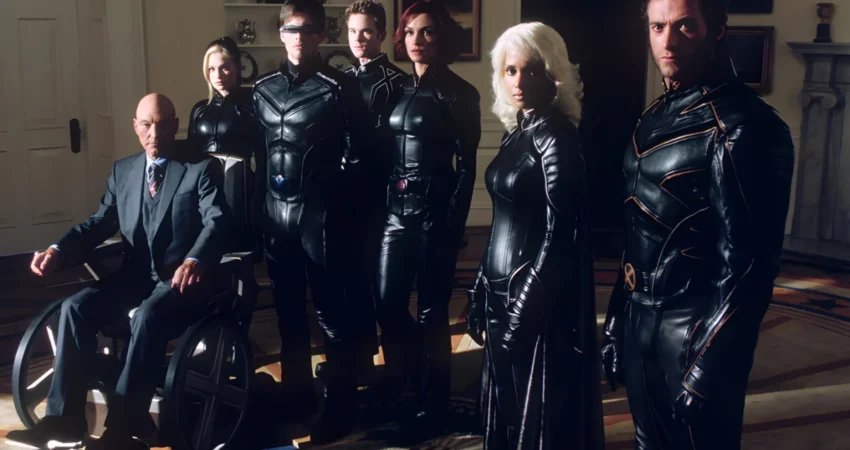
Marvel Studios has formally identified the 15 cinematic installments essential for audiences to view prior to the theatrical release of Avengers: Doomsday, placing a significant emphasis on the foundational legacy of the X-Men franchise. Leading this curated selection is the seminal 2000 film X-Men, followed immediately by its 2003 successor, X2: X-Men United. This strategic recommendation underscores a pivot in the Marvel Cinematic Universe (MCU) toward integrating decades of superhero storytelling that predates the formal inception of the MCU in 2008. By designating X2: X-Men United as a "must-watch" component of the road to Avengers: Doomsday, Marvel Studios is signaling that the narrative architecture of the upcoming crossover event will lean heavily on the Multiverse and the history of mutant-kind.
The inclusion of X2: X-Men United is particularly noteworthy among film historians and industry analysts. Released at a time when the superhero genre was still finding its footing in the modern era, X2 is widely regarded as the blueprint for the successful comic book sequel. Directed by Bryan Singer and featuring an ensemble cast led by Hugh Jackman, Patrick Stewart, and Ian McKellen, the film expanded the scope of its predecessor, transitioning from a localized conflict into a geopolitical thriller that explored the existential threats facing the mutant population. As Marvel Studios prepares for the debut of Robert Downey Jr. as Victor von Doom, the thematic elements of X2—specifically those involving the persecution of minorities and the moral compromises made during wartime—appear more relevant than ever.

The Narrative Significance of X2 in the Modern Multiverse Context
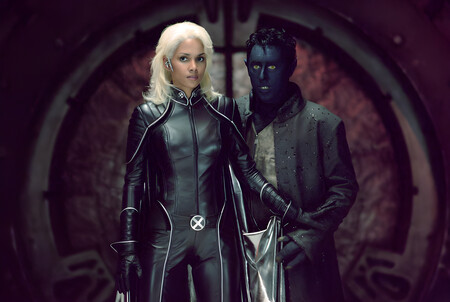
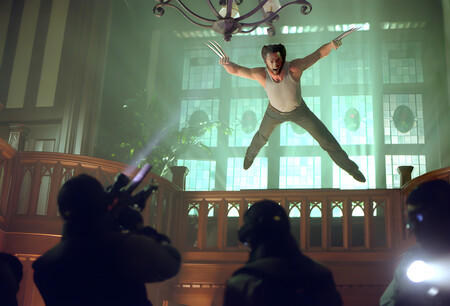
The decision to place X2: X-Men United so high on the "homework list" for Avengers: Doomsday suggests that the film’s plot points may serve as critical anchors for the upcoming narrative. X2 follows the story of Colonel William Stryker, a military scientist with a deep-seated hatred for mutants, who orchestrates a clandestine strike against Professor Charles Xavier’s school. The film is celebrated for its opening sequence featuring Nightcrawler’s assault on the White House, a scene that remains a benchmark for action choreography in the genre.
More importantly, X2 introduced the concept of temporary alliances between traditional enemies. In the film, the X-Men are forced to join forces with Magneto and Mystique to prevent a global mutant genocide. This theme of "desperate alliances" is expected to be a cornerstone of Avengers: Doomsday, where various factions across the Multiverse must reconcile their differences to face the threat of Doctor Doom. Furthermore, the film’s focus on the origins of Wolverine and the ethical ramifications of the Weapon X program provides a narrative bridge to the character’s recent appearance in Deadpool & Wolverine, which serves as a precursor to the events of the next Avengers installment.
Evolution of the Superhero Sequel: A Data-Driven Perspective
When X2: X-Men United premiered in May 2003, it shattered expectations for what a comic book adaptation could achieve both critically and commercially. Produced on a budget of approximately $110 million, the film grossed $407.7 million worldwide. At the time, it was one of the highest-grossing films in the genre, proving that audiences had an appetite for darker, more complex superhero narratives.

The film’s success was not merely financial. It currently holds an 85% "Certified Fresh" rating on Rotten Tomatoes, with critics praising its ability to balance a large ensemble cast while maintaining individual character arcs. This structural success is something the Russo Brothers, who are returning to direct Avengers: Doomsday and Avengers: Secret Wars, have often cited as an influence. The ability to manage multiple protagonists with conflicting ideologies was perfected in X2, setting the stage for the massive crossovers of the modern MCU.
Industry analysts suggest that by re-introducing X2 into the public consciousness, Marvel is attempting to ground the high-concept Multiverse saga in established emotional stakes. The nostalgia associated with Hugh Jackman’s Wolverine and Patrick Stewart’s Professor X is a potent marketing tool, but it also serves a functional purpose: it provides the audience with a familiar emotional "anchor" as the MCU ventures into the increasingly complex territory of alternate realities.
The Road to Doomsday: A Chronology of Integration
The timeline leading to Avengers: Doomsday represents a complex fusion of various cinematic universes. Following the acquisition of 21st Century Fox by Disney in 2019, the path was cleared for the X-Men to join the MCU. However, rather than immediately rebooting the characters, Marvel Studios President Kevin Feige has opted for a "Legacy Integration" strategy.
This strategy began in earnest with Doctor Strange in the Multiverse of Madness, which featured a variant of Professor Charles Xavier, and continued through The Marvels, which introduced a version of Beast (Hank McCoy) in its post-credits scene. The definitive step was taken in 2024 with Deadpool & Wolverine, which effectively retired the Fox universe while preserving its most iconic characters.
The full list of 15 movies and series recommended by Marvel Studios is expected to follow this chronological and thematic logic:
- X-Men (2000)
- X2: X-Men United (2003)
- X-Men: The Last Stand (2006)
- X-Men: First Class (2011)
- The Avengers (2012)
- X-Men: Days of Future Past (2014)
- Avengers: Age of Ultron (2015)
- Captain America: Civil War (2016)
- Avengers: Infinity War (2018)
- Avengers: Endgame (2019)
- Loki (Series – Seasons 1 & 2)
- Spider-Man: No Way Home (2021)
- Doctor Strange in the Multiverse of Madness (2022)
- Deadpool & Wolverine (2024)
- The Fantastic Four: First Steps (Upcoming 2025)
By placing X2 at the beginning of this journey, Marvel is acknowledging that the philosophical conflict between Xavier and Magneto—and the human interference represented by William Stryker—is the bedrock upon which the current cinematic landscape is built.

Broader Implications for the MCU and the Arrival of Doctor Doom
The transition from the "Infinity Saga" to the "Multiverse Saga" has been met with varying degrees of critical and commercial success. However, the announcement of Robert Downey Jr.’s return as Victor von Doom has revitalized interest in the franchise. The choice of Doctor Doom as the primary antagonist for the next phase of the MCU is significant. In the comics, Doom is a character defined by his intellect, his mastery of both science and magic, and his belief that he is the only one capable of saving the universe from itself.
The inclusion of X2 on the required viewing list may hint at the specific nature of Doom’s threat. In X2, the villainous Stryker uses a modified version of Cerebro to target a specific biological group. Similarly, Doctor Doom’s comic book history involves the reshaping of reality to suit his vision of order—often at the expense of individual liberty. The moral dilemmas presented in X2 regarding the "Mutant Registration Act" and the fear of the "other" are expected to be mirrored in Doom’s rise to power, as he may present himself as a necessary dictator in a collapsing Multiverse.
Official responses from Marvel Studios representatives suggest that the "15-movie homework" is not merely a marketing gimmick but a necessary guide for understanding the stakes of Doomsday. Kevin Feige has frequently stated that the upcoming films will reward long-term viewers who have followed these characters since the early 2000s. For the first time, the "pre-MCU" era is being treated with the same canonical reverence as the films produced by Marvel Studios itself.
Technical Legacy and the Shift in Visual Storytelling
Beyond the narrative, X2: X-Men United holds a special place in the technical history of Marvel movies. It was one of the last major superhero films to rely heavily on practical sets and prosthetic makeup before the industry shifted toward near-total digital environments. The "Stryker’s Base" at Alkali Lake was a massive physical set that lent a sense of realism and weight to the film’s climax.
As the Russo Brothers return to the helm for Avengers: Doomsday, there is an industry-wide expectation that they will return to a more grounded visual style, blending the cosmic scale of the Multiverse with the gritty, tactile feel of their previous work on Captain America: The Winter Soldier. By revisiting X2, audiences can observe the evolution of visual effects—from the practical makeup of Nightcrawler to the sophisticated digital doubles used in modern MCU entries.
The film also marked the first time that a superhero movie attempted to grapple with serious social issues in a way that resonated with the general public. The "coming out" scene, where Bobby Drake (Iceman) tells his parents he is a mutant, remains one of the most discussed allegories in film history. This level of social commentary is something Marvel Studios aims to replicate as they address the complexities of a fragmented world in Avengers: Doomsday.

Conclusion: The Final Countdown to May 2026
With approximately 17 weeks remaining until the production cycle of Avengers: Doomsday moves into its most critical phase, the release of this 15-movie list serves as a definitive guide for the global fanbase. Most of these titles, including X2: X-Men United, are currently available for streaming on Disney+, providing a centralized platform for the "Legacy Rewatch."
As the MCU moves toward its most ambitious crossover event to date, the lessons of the past are becoming the foundation for the future. X2: X-Men United stands as a testament to the enduring power of the mutant metaphor and the necessity of complex character development in the superhero genre. Whether it is the tragic backstory of Logan, the unwavering idealism of Charles Xavier, or the cold pragmatism of Magneto, the ghosts of the 2003 classic will undoubtedly haunt the halls of Avengers: Doomsday when it arrives in theaters.
The roadmap is set, the characters are returning, and the Multiverse is converging. For fans and casual viewers alike, the journey back to the early 2000s is no longer just a trip down memory lane—it is a prerequisite for understanding the end of the world.

0 Comments