
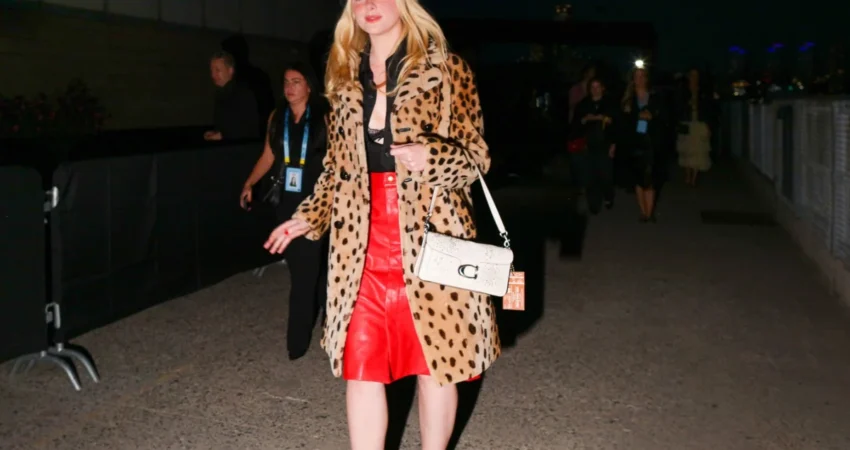
The city of New York has emerged from a period of uncharacteristic meteorologic instability to reclaim its status as the global epicenter of contemporary fashion during the Spring-Summer 2027 (SS27) showcase. While the traditional runway presentations within the hallowed halls of Manhattan’s industrial spaces and sleek galleries remain the official draw, the true narrative of the season is being written on the asphalt. Following a series of rainy months that dampened the previous season’s outdoor engagement, the current atmosphere in New York is described by industry observers as exceptionally radiant. This resurgence is not merely a reflection of the clear skies but a testament to a shift in the street style landscape, where attendees are exhibiting a heightened level of experimentation, blending seasonal boundaries and challenging conventional summer aesthetics.
The SS27 circuit has become a playground for sartorial innovation, where the rigidity of traditional seasonal dressing has been replaced by a fluid, highly personalized approach to fashion. Despite the significant humidity and high temperatures currently gripping the five boroughs, the streets are populated by an unexpected influx of heavy outerwear and structured abrigos. This phenomenon, while seemingly counterintuitive to the climate, signals a broader movement within the industry toward "trans-seasonal" utility. The influence of prominent designers, specifically Stuart Vevers of Coach, has been cited as a primary driver for this trend. Vevers’ recent collections have leaned heavily into the "New York cool" archetype, emphasizing leather, oversized silhouettes, and substantial layering that defies the calendar. Consequently, fashion enthusiasts have adopted these heavy-duty pieces as badges of stylistic commitment, prioritizing the architectural integrity of a look over thermal comfort.

Historical Context and the Evolution of NYFW
New York Fashion Week has historically served as the opening act of the "Big Four" global fashion weeks, preceding London, Milan, and Paris. Since its inception as "Press Week" in 1943, the event has evolved from a closed-door industry trade show into a massive cultural and economic engine. By 2027, the event has further transformed into a decentralized celebration of style, where the "front row" extends far beyond the physical venue to the digital screens of millions worldwide.
The SS27 season marks a significant pivot from the minimalism that dominated the mid-2020s. The industry is currently witnessing a "maximalist correction," characterized by vibrant color palettes and daring textures. This shift is partly a reaction to the somber, rain-heavy months that preceded the spring cycle. As the sun returned to the city, so did a collective desire for visual optimism. The street style documented over the past week indicates that the "Quiet Luxury" trend has been superseded by "Expressive Individualism," where bold patterns, neon accents, and avant-garde silhouettes dominate the frame.
The Chronology of the SS27 Street Style Circuit
The progression of style trends throughout the week followed a distinct chronological arc. The opening days were characterized by a reverence for heritage brands, with many attendees opting for vintage-inspired looks that paid homage to New York’s fashion history. However, by the midpoint of the week, the influence of the "Michael Rider effect" began to take hold. Rider, whose recent contributions to the accessory sector have been widely lauded, has revitalized the use of silk as a primary medium for street-level expression.

By Day Four, the "scarf movement" reached its zenith. Observers noted that silk scarves were no longer being utilized in the traditional sense; instead, they were being repurposed as tops, intricately woven into hairstyles, or used as structural elements on handbags. This trend provided a cooling counterpoint to the heavy outerwear seen earlier in the week. By the closing days of the New York circuit, the fusion of these two extremes—the heavy coat and the delicate silk accessory—became the defining silhouette of the season, representing a sophisticated synthesis of protection and elegance.
Data-Driven Insights into the NYFW Economic Impact
The economic significance of New York Fashion Week remains unparalleled in the creative sector. According to data from the New York City Economic Development Corporation (NYCEDC), the biannual event generates nearly $900 million in economic impact for the city. This figure includes expenditures on hotels, dining, transportation, and retail. For the SS27 season, early projections suggest a 12% increase in visitor spending compared to the previous year, attributed largely to the return of international influencers and buyers who had been deterred by previous travel and weather complications.
Furthermore, the "Street Style Economy" has become a measurable metric. Marketing analytics firms have noted that social media impressions for street style photography during NYFW now rival the impressions for the actual runway shows. Brands are increasingly allocating budgets to "seed" products with street style icons, recognizing that a single viral image of a celebrity or influencer wearing a specific item on the streets of Soho can lead to a 400% spike in search queries for that brand within 24 hours.

Designer Influence: Stuart Vevers and Michael Rider
The stylistic dichotomy of the SS27 season can be largely attributed to the creative directions of Stuart Vevers and Michael Rider. Vevers has successfully rebranded Americana for a global audience, focusing on the grit and resilience of New York City. His insistence on leather and heavy fabrics has created a "uniform" for the modern urbanite that values durability and history. Street style photographers have captured hundreds of variations of the Vevers-inspired oversized trench and moto-jacket, often styled with bare legs or sheer fabrics to accommodate the New York heat.
On the other hand, Michael Rider has introduced a level of refinement through his masterful handling of silk. His influence has democratized high-fashion accessories, offering a "sinfín de formas" (endless ways) to incorporate luxury textiles into everyday wear. Rider’s approach emphasizes the versatility of the silk square, encouraging wearers to experiment with knots, drapes, and wraps. This has resulted in a softer, more fluid aesthetic on the streets that balances the ruggedness of the outerwear trend. Industry analysts suggest that Rider’s focus on accessories is a strategic move to capture the "entry-level luxury" market, which remains the fastest-growing segment of the fashion industry in 2027.
Industry Reactions and Critical Analysis
Fashion critics and industry veterans have reacted positively to the experimental nature of the SS27 street style. "What we are seeing this year is a total rejection of the ‘safe’ outfit," noted one senior fashion editor from a leading trade publication. "The weather is hot, the sun is out, and people are choosing to wear heavy coats because the look demands it. It’s a triumph of aesthetic over utility, which is the very definition of high fashion."

Photographers, who act as the primary documentarians of this movement, have also noted a change in the demographic of the street style star. While celebrities remain a fixture, there is a growing presence of "style architects"—individuals who may not have a massive social media following but possess an innate ability to forecast trends through their personal wardrobes. This shift back toward authentic style, rather than curated brand placements, has lent the SS27 season a sense of renewed energy and legitimacy.
Broader Implications and Global Outlook
The trends established in New York over the past week are expected to reverberate across the subsequent fashion weeks in Europe. The "coat-and-silk" combination is already being predicted as a major theme for the upcoming London and Milan shows. More importantly, the SS27 New York season has highlighted the growing importance of "climatological defiance" in fashion. As global temperatures fluctuate, the industry is moving away from strict seasonal collections (Spring/Summer vs. Fall/Winter) and toward a perpetual cycle of "available" fashion that can be layered or stripped down as needed.
Furthermore, the emphasis on silk and high-quality accessories points toward a sustainable shift in consumer behavior. Rather than purchasing entire new wardrobes, consumers are looking for high-impact accessories that can transform existing outfits. The "Michael Rider method" of accessory styling provides a roadmap for sustainable luxury, where a single silk piece can be reinvented in dozens of ways, reducing the need for fast-fashion consumption.

As the fashion world moves its gaze toward the European capitals, the legacy of the New York SS27 street style will remain one of resilience and unbridled creativity. The city has proven that regardless of the heat or the previous months of rain, the desire for self-expression through clothing remains a fundamental aspect of the New York identity. The "radiance" observed on the streets is not just a result of the weather, but a reflection of a fashion community that is more engaged, more experimental, and more influential than ever before. In the coming months, the images captured on the corners of Spring Street and Broadway will serve as the primary reference points for retailers and designers alike, solidifying New York’s role as the definitive laboratory of global style.

0 Comments