
The intersection of global philanthropy and high-fashion excellence was on full display last night as the Kering Foundation hosted its fifth annual "Caring for Women" dinner. Central to the evening’s success was Salma Hayek, the Academy Award-nominated Mexican actress and activist, whose dual role as a fashion icon and a committed co-host has become a cornerstone of the foundation’s public-facing efforts. Held in New York City, the event gathered a formidable assembly of Hollywood stars, athletes, and industry titans, all united by a singular mission: to raise critical funds for organizations dedicated to ending gender-based violence. Hayek’s appearance served as more than a red-carpet moment; it was a strategic alignment of her personal advocacy with the corporate social responsibility of the Kering Group, the luxury conglomerate led by her husband, François-Henri Pinault.
A Masterclass in Architectural Elegance: The Balenciaga Choice
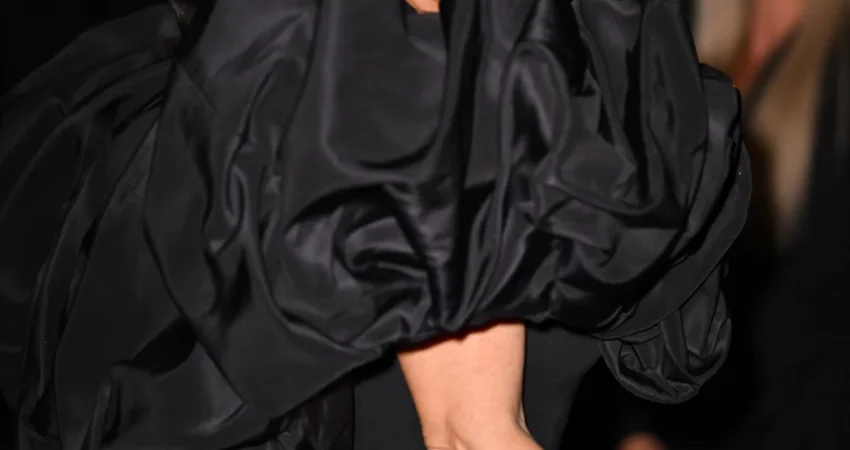
Salma Hayek’s sartorial selection for the evening was not merely a matter of aesthetic preference but a calculated nod to the artistic direction of the Kering Group’s premier houses. The actress arrived in a floor-length black gala gown designed by Balenciaga. The garment, a highlight of the Fall Couture 2026 collection, showcased a sophisticated blend of traditional craftsmanship and avant-garde structure. The dress was defined by its sculptural, gathered ruffle that dramatically framed a classic boat neckline, creating a silhouette that balanced severity with fluidity. The design culminated in a circular train that added a regal dimension to her movement, a hallmark of the architectural precision that has come to define the house’s recent couture output.
Industry analysts noted that the gown’s design elements—specifically the emphasis on exaggerated necklines and structured volume—are set to dominate the Fall-Winter 2026 fashion cycle. By wearing this piece, Hayek effectively bridged the gap between current red-carpet expectations and future market trends. To complement the gown’s intricate neckline, Hayek’s styling team opted for a "sleek" ponytail, a choice that ensured the dress’s architectural details remained the focal point. Her makeup featured a precise cat-eye eyeliner, a timeless look that harmonized with the modern silhouette of the gown.
The ensemble was further elevated by high jewelry from Boucheron, another jewel in the Kering portfolio. Hayek wore striking diamond rings and pendant earrings that added a layer of luminous contrast against the matte black fabric of the Balenciaga piece. This strategic use of house brands—Balenciaga and Boucheron—underscores the symbiotic relationship between the Kering Foundation’s charitable goals and the commercial power of its luxury subsidiaries.
The Mission of the Kering Foundation: A Legacy of Advocacy
The "Caring for Women" dinner is the flagship fundraising event for the Kering Foundation, which was established in 2008 with a specific mandate to combat violence against women. Over the past eighteen years, the foundation has evolved from a corporate initiative into a global leader in philanthropic advocacy. Its work is focused on three primary pillars: supporting survivors of domestic violence, combating harmful traditional practices such as female genital mutilation and forced marriage, and engaging with the younger generation to promote gender equality through education and awareness.
The 2026 edition of the dinner aimed to build upon the momentum of previous years, where the foundation has successfully raised millions of dollars for partner NGOs. These include organizations such as the National Network to End Domestic Violence (NNEDV) in the United States, the Global Fund for Women, and various local grassroots initiatives in Europe and Asia. The funds raised during these dinners are directed toward providing safe housing, legal assistance, and psychological support for women and children who have been displaced or harmed by gender-based violence.
François-Henri Pinault, Chairman and CEO of Kering, has frequently emphasized that the foundation’s work is a moral imperative for the group. By leveraging the visibility of the fashion industry, the foundation aims to break the silence surrounding domestic abuse—a global crisis that affects one in three women worldwide, according to data from the World Health Organization.
A Convergence of Influence: High-Profile Support and Global Impact
The success of the evening was bolstered by a diverse and influential guest list, reflecting the broad spectrum of support for the Kering Foundation’s mission. Salma Hayek and François-Henri Pinault were joined by a cohort of celebrities and public figures who have used their platforms to advocate for social change. Among the attendees were actress Dakota Johnson, entrepreneur Paris Hilton, and acclaimed actor Colman Domingo. The presence of singer Rita Ora, actress Pamela Anderson, and veteran actor Benicio del Toro further highlighted the event’s reach across different sectors of the entertainment industry.
Notably, the event also saw participation from the world of sports, with Olympic gold medalist Simone Biles in attendance. The inclusion of athletes like Biles is significant, as it broadens the conversation regarding women’s empowerment beyond the traditional confines of Hollywood and fashion. Each guest’s presence serves as a form of social capital, drawing media attention to the underlying cause and encouraging corporate and individual donations.

The chronology of the event followed a structured program designed to maximize both fundraising and awareness. Following the red carpet arrival and a high-profile cocktail hour, the evening transitioned into a formal dinner featuring keynote speeches from survivors and representatives of the NGOs supported by the foundation. These testimonials provided a sobering counterpoint to the glamour of the evening, reminding attendees of the urgent reality of the statistics being addressed.
Data and Trends: The Economic Reality of Gender-Based Violence
The Kering Foundation’s focus on violence against women is grounded in staggering global data. According to the United Nations, violence against women and girls remains one of the most widespread, persistent, and devastating human rights violations in our world today. It is estimated that 736 million women—almost one in three—have been subjected to physical and/or sexual intimate partner violence, non-partner sexual violence, or both at least once in their life.
Beyond the human toll, there is a significant economic impact. Studies suggest that the cost of violence against women could amount to approximately 2% of the global gross domestic product (GDP). This includes costs related to healthcare, legal services, lost productivity, and the long-term impact on children who witness violence. By investing in prevention and support services, the Kering Foundation and its partners are not only addressing a human rights crisis but also contributing to the economic stability and well-being of communities worldwide.
The "Caring for Women" dinner serves as a critical financial engine for these efforts. While the final totals for the 2026 event are still being tabulated, previous dinners have consistently exceeded fundraising goals, often raising upwards of $3 million in a single evening. This capital is deployed through a rigorous selection process, ensuring that the funds reach organizations with a proven track record of efficacy and transparency.
Analysis of Implications: Luxury with a Conscience
The fifth edition of the Kering Foundation dinner illustrates a broader trend within the luxury sector: the move toward "purpose-driven luxury." In an era where consumers—particularly younger demographics like Gen Z and Millennials—increasingly demand social accountability from brands, events like the "Caring for Women" dinner are essential. They demonstrate that a luxury conglomerate can be more than a purveyor of high-end goods; it can be a significant actor in global social movements.
Salma Hayek’s role in this ecosystem is unique. As a board member of the Kering Foundation and a globally recognized figure, she serves as a bridge between the corporate boardrooms of Paris and the public advocacy spheres of New York and Los Angeles. Her choice to wear Balenciaga Fall Couture 2026 was a sophisticated piece of visual communication. It signaled that even within the most exclusive tiers of fashion, there is room for a message of solidarity and protection for the vulnerable.
Furthermore, the focus on Fall-Winter 2026 trends suggests a long-term vision for both the foundation and the Kering brands. By positioning Hayek in a gown that anticipates future trends, the event asserts its relevance in the cultural zeitgeist. It suggests that the fight for gender equality is not a temporary campaign but a sustained, long-term commitment that evolves alongside the industry itself.
Conclusion: A Vision for the Future
As the gala concluded, the message remained clear: the intersection of fashion, celebrity, and philanthropy is a powerful tool for social change. The Kering Foundation’s "Caring for Women" dinner has successfully established itself as a premier event on the New York social and philanthropic calendar, blending the high stakes of global activism with the refined elegance of the couture world.
Through the leadership of Salma Hayek and François-Henri Pinault, the foundation continues to challenge the industry to use its influence for the greater good. The sculptural black Balenciaga gown worn by Hayek will likely be remembered as one of the defining fashion moments of 2026, but its true legacy lies in the support it helped garner for women and children seeking a life free from violence. As the Kering Foundation looks toward its next decade of operation, the success of this fifth annual dinner provides a robust blueprint for how corporate power can be effectively harnessed to address the world’s most pressing social challenges.

0 Comments