
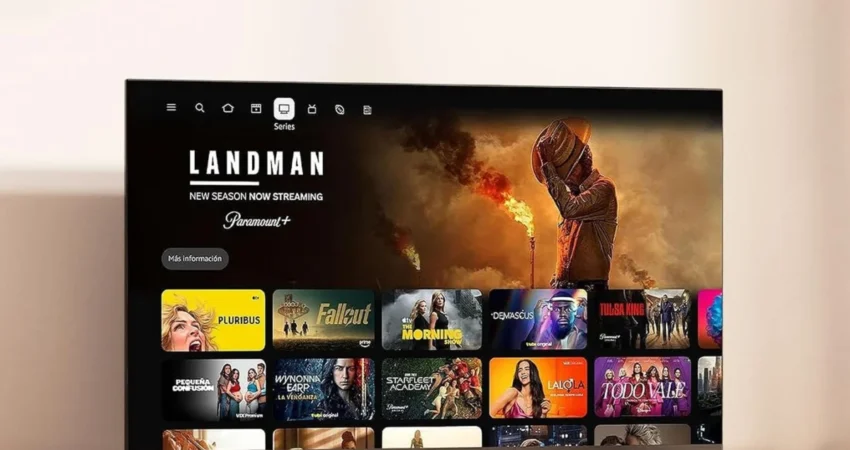
Amazon Mexico has initiated a significant pricing adjustment across its Fire TV Stick product lineup, positioning these devices as the primary solution for consumers seeking to upgrade legacy displays or integrate professional monitors into a unified smart home ecosystem. The current promotional cycle sees the Fire TV Stick HD priced at 399 pesos, the Fire TV Stick 4K Plus at 749 pesos, and the flagship Fire TV Stick 4K Max at 1,199 pesos. This strategic move by the e-commerce giant aims to capture a larger share of the Mexican streaming market by lowering the barrier to entry for high-definition and ultra-high-definition content delivery, while simultaneously expanding the reach of its Alexa-driven smart home infrastructure.
The Evolution of the Multimedia Dongle: From Video Player to Gaming Console
The Fire TV Stick has transitioned from a simple streaming accessory into a sophisticated computing device capable of handling complex tasks such as cloud-based gaming and real-time smart home management. The most notable recent development in this ecosystem is the integration of Xbox Game Pass, allowing users to stream high-fidelity video games directly to their televisions via the cloud without the need for a dedicated console. By simply pairing a compatible Bluetooth controller, a standard monitor or an aging television is effectively transformed into a gaming hub.
This shift represents a broader trend in the consumer electronics industry where hardware limitations are being bypassed through cloud computing. For the Mexican market, where the cost of a high-end gaming console can be prohibitive for many households, the 1,199-peso Fire TV Stick 4K Max offers a democratized entry point into the "next-gen" gaming experience. The device’s ability to handle Wi-Fi 6 or 6E protocols (depending on the model) ensures the low-latency connection required for such demanding applications.
Technical Specifications and Model Differentiation
The current promotional lineup addresses three distinct consumer segments based on hardware requirements and display capabilities.
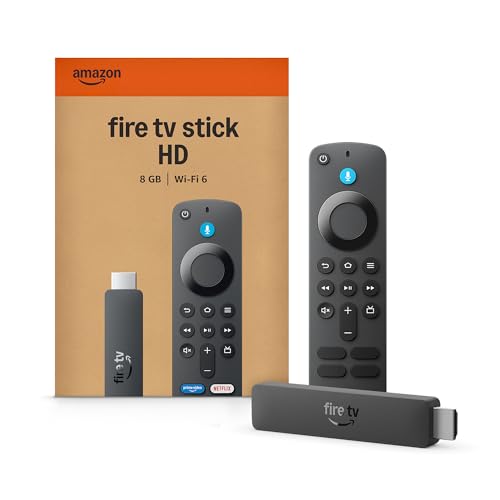
- Fire TV Stick HD (399 MXN): This entry-level model is designed specifically for secondary televisions, kitchen displays, or older "dumb" TVs that lack native internet connectivity. Despite its budget positioning, it maintains full compatibility with the modern Fire OS interface, providing access to Netflix, Disney+, HBO Max, and Amazon Prime Video. It serves as a cost-effective alternative to replacing a functional but non-smart television.
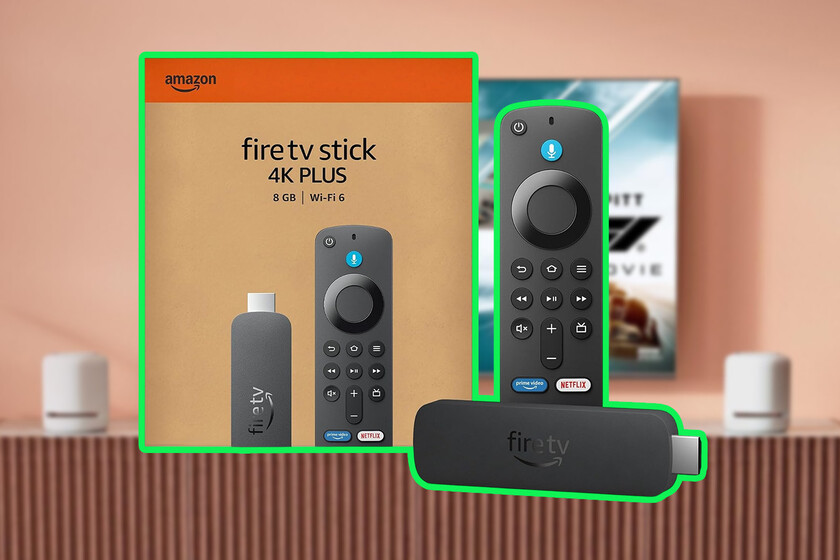
- Fire TV Stick 4K Plus (749 MXN): Occupying the mid-tier segment, this device bridges the gap between standard high definition and premium cinematic experiences. It supports 4K Ultra HD resolution along with HDR (High Dynamic Range) formats, including Dolby Vision and HDR10+. This model is particularly targeted at users who have invested in 4K panels that may have slow or outdated built-in software.
- Fire TV Stick 4K Max (1,199 MXN): As the most powerful streaming stick in Amazon’s arsenal, the 4K Max features an upgraded quad-core processor and increased RAM. This hardware allows for "Ambient Experience" features, which turn the TV into a digital art gallery or informational dashboard when not in use. It is the recommended device for users intending to use the Xbox Cloud Gaming service due to its superior networking hardware and processing overhead.
Strategic Integration of Alexa+ and Smart Home Control
A critical component of the Fire TV value proposition is the integration of Alexa+. Beyond simple voice-activated content searches, the modern Fire TV Stick acts as a centralized node for the Internet of Things (IoT). Through the included Alexa Voice Remote, users can monitor security camera feeds in a "picture-in-picture" mode while watching movies, adjust smart lighting, or manage smart plugs throughout the home.
The software has been refined to offer proactive recommendations based on viewing habits, but its utility extends into logistics. In the Mexican context, the integration of Amazon’s delivery tracking allows users to receive real-time notifications on their television screens regarding the status of their orders. This ecosystem synergy is a calculated effort by Amazon to increase "stickiness"—ensuring that the consumer remains within the Amazon environment for entertainment, home management, and retail.
Market Context: The Streaming Landscape in Mexico
The decision to discount these devices comes at a time when the Mexican streaming market is reaching a point of high saturation and intense competition. According to recent market data, Mexico remains one of the largest consumers of streaming content in Latin America. However, a significant portion of the population still utilizes older hardware that cannot support the latest app updates or high-bitrate streams.
By pricing the Fire TV Stick HD at 399 pesos, Amazon is directly competing with other low-cost alternatives like the Roku Express and Google Chromecast. The advantage Amazon leverages is its logistics network; for Amazon Prime subscribers in Mexico, these devices often feature same-day or next-day delivery with no additional shipping costs. This logistical efficiency, combined with aggressive pricing, makes the Fire TV Stick an impulse-purchase item that yields long-term data and subscription revenue for the company.
Chronology of Development and Distribution
The path to the current Fire TV lineup has been marked by several key milestones in both hardware and software:
- Initial Launch: The Fire TV Stick was originally introduced as a basic alternative to the Fire TV set-top box, focusing purely on video.
- The 4K Transition: As 4K panels became the industry standard, Amazon updated its hardware to support higher resolutions and advanced audio codecs like Dolby Atmos.
- The "Smart Home" Pivot: Around 2021, the interface was redesigned to prioritize Alexa integration, moving the device from a passive receiver to an active home controller.
- The Cloud Gaming Breakthrough (2024): The partnership with Microsoft to bring the Xbox app to Fire TV devices marked a turning point, positioning the hardware as a viable gaming platform.
This timeline illustrates a clear trajectory: Amazon is no longer just selling a "stick" to watch movies; they are selling a gateway to a comprehensive digital lifestyle.
Economic and Environmental Implications
From an economic perspective, the availability of high-performance streaming sticks at these price points extends the lifecycle of existing consumer electronics. Instead of discarding a perfectly functional 1080p television because its built-in Netflix app no longer works, a 399-peso investment restores full modern functionality. This has positive implications for electronic waste reduction, as it delays the obsolescence of large-format hardware.
Furthermore, the "monitor-to-TV" conversion mentioned in the original report highlights a shift in workplace and home office habits. As more professionals utilize high-quality monitors for remote work, the ability to flip a switch and turn that work tool into a high-end entertainment center adds significant value to the hardware people already own.
Professional Analysis: The Future of the Interface
Industry analysts suggest that the next phase for Fire TV in Mexico and globally will involve deeper AI integration. With the rise of Large Language Models (LLMs), future iterations of Alexa on Fire TV are expected to handle more complex, natural language queries. Instead of searching for a specific title, users might ask, "Find me a movie that feels like a 90s action thriller but is set in space," and the device will synthesize data from across all installed streaming services to provide an answer.
The current discount phase in Mexico can be viewed as an "onboarding" period. By saturating the market with affordable, high-quality hardware now, Amazon ensures a massive user base for the next generation of AI-driven features and ad-supported content models.

Conclusion and Availability
The Fire TV Stick promotion on Amazon Mexico represents a strategic intersection of affordability and advanced technology. By offering a range of devices from 399 to 1,199 pesos, Amazon is addressing the diverse needs of the Mexican consumer—from those simply wanting to watch YouTube on an old screen to hardcore gamers looking for a console-free experience.
As the lines between television, gaming, and smart home management continue to blur, the Fire TV Stick remains a central figure in the evolution of the living room. For the consumer, the current pricing offers a low-risk opportunity to modernize their home entertainment setup with hardware that is increasingly becoming the standard for the connected home. The availability of these prices is subject to stock and promotional cycles, but the impact on the market’s technological standard is likely to be permanent.

0 Comments