
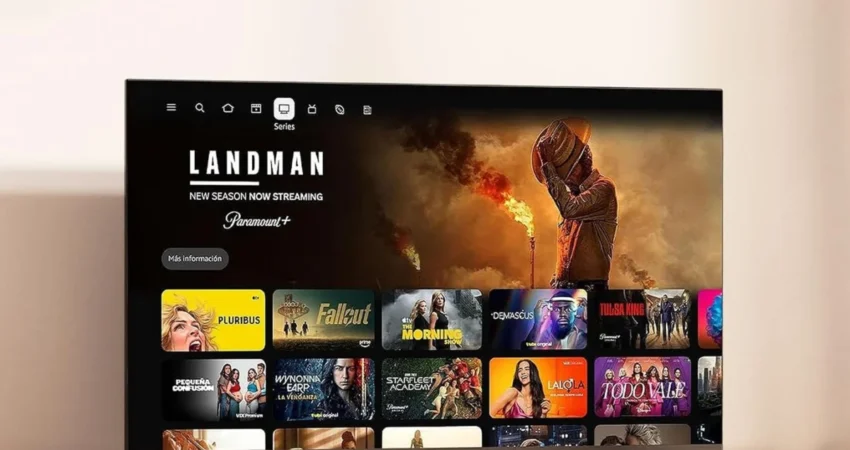
The consumer electronics landscape in Mexico is currently witnessing a significant shift in the accessibility of high-definition streaming and cloud-based gaming as Amazon implements a substantial price reduction across its Fire TV Stick product line. This strategic move aims to capture a larger share of the domestic market by providing an affordable entry point for consumers seeking to modernize legacy television sets, computer monitors, and projectors. By lowering the financial barrier to entry, Amazon is positioning its Fire OS ecosystem as the primary gateway for home entertainment, offering three distinct hardware tiers—HD, 4K, and 4K Max—at price points ranging from 399 to 1,199 Mexican pesos.
Technical Specifications and Pricing Tiers
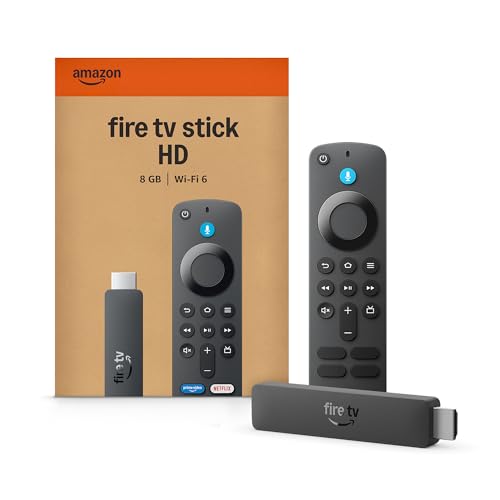
The current promotion highlights the versatility of the Fire TV series, catering to various consumer needs from basic high-definition viewing to high-performance gaming. The entry-level Fire TV Stick HD, now priced at 399 pesos, serves as a compact solution for standard 1080p displays. Despite its diminutive size, the device features a redesigned interface that emphasizes speed and ease of navigation, allowing users to bypass the often-sluggish native software found in older smart televisions.
For users with Ultra High Definition (UHD) displays, the Fire TV Stick 4K has been discounted to 749 pesos. This model introduces support for advanced cinematic formats, including Dolby Vision and HDR10+, which are essential for maximizing the visual potential of modern QLED and OLED panels. Furthermore, the flagship Fire TV Stick 4K Max is available for 1,199 pesos. The "Max" variant is distinguished by its support for Wi-Fi 6E, providing lower latency and higher bandwidth, which is a critical requirement for the device’s most ambitious feature: cloud gaming via Xbox Game Pass.
The Evolution of the Fire TV Ecosystem
The Fire TV Stick has evolved from a simple media player into a sophisticated hardware hub capable of orchestrating an entire smart home environment. This transformation is driven by the integration of the Alexa Voice Remote, which now utilizes enhanced artificial intelligence to provide personalized content recommendations. Beyond media playback, the remote allows users to manage a wide array of Internet of Things (IoT) devices, such as smart lighting, security cameras, and automated plugs, directly from their television interface.
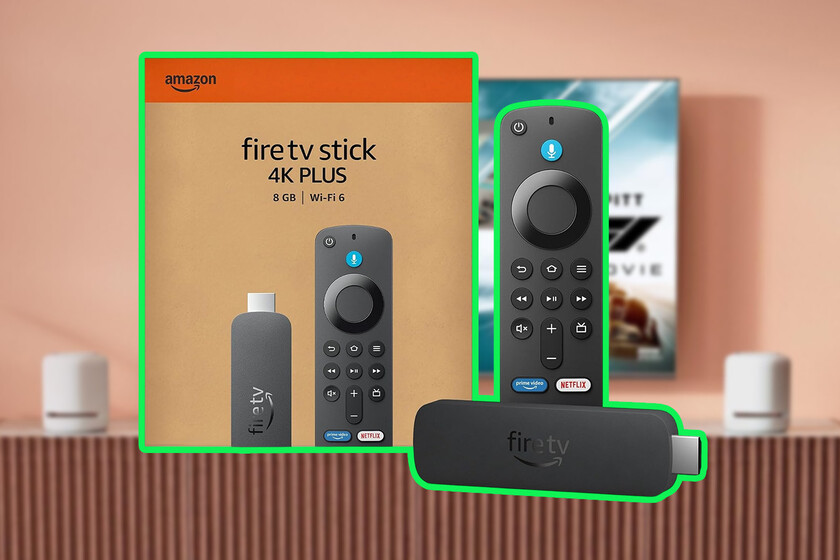
A pivotal moment in the chronology of the Fire TV line occurred with the recent partnership between Amazon and Microsoft. This collaboration integrated the Xbox app directly into the Fire TV interface, allowing subscribers of Xbox Game Pass Ultimate to stream hundreds of high-quality titles without the need for a physical gaming console. By simply pairing a Bluetooth-enabled controller, users can transform an existing monitor or an aging TV into a high-end gaming station. This functionality represents a paradigm shift in the industry, moving away from expensive hardware cycles toward a service-oriented model where the display becomes the only necessary physical component.
Market Context and Competitive Landscape
Amazon’s aggressive pricing in the Mexican market comes at a time when competition among streaming hardware providers is intensifying. The primary rivals, Roku and Google (via the Chromecast with Google TV), have long battled for dominance in the "plug-and-play" sector. Market data suggests that while smart TV sales continue to grow, a significant portion of the population still utilizes older hardware or prefers the superior user interface of external sticks over built-in manufacturer software.
Industry analysts suggest that Amazon’s strategy is less about the profit margins on the hardware itself and more about the long-term lifetime value of the customer within the Amazon ecosystem. By placing a Fire TV Stick in a household, Amazon ensures a direct pipeline to its Prime Video service, its retail store (via Alexa-enabled shopping), and its advertising network. The free and expedited shipping offered to Amazon Prime members further incentivizes the purchase, creating a frictionless acquisition process that reinforces brand loyalty.
Supporting Data: Consumer Trends and Hardware Longevity
According to recent technology adoption surveys in Latin America, the average lifespan of a television set is approximately seven to ten years. However, the software capabilities of these devices typically become obsolete within three to four years as streaming apps update their requirements and processing demands increase. This "software-hardware gap" has created a massive market for external streaming devices.
The Fire TV Stick addresses this discrepancy by providing modern processing power to older screens. The inclusion of 4K capabilities in devices under 800 pesos is particularly impactful in Mexico, where 4K television penetration has surged, but many users lack the high-speed internal processors required to run modern apps smoothly. Furthermore, the low power consumption of these sticks—typically powered by a standard USB port on the television—makes them an energy-efficient alternative to running traditional gaming consoles or desktop PCs for media consumption.
Strategic Implications for Cloud Gaming in Mexico
The inclusion of Xbox Game Pass on the Fire TV Stick 4K and 4K Max is perhaps the most significant implication for the Mexican gaming market. Historically, high-end gaming has been a luxury pursuit due to the high cost of consoles and PC components. By enabling cloud gaming on a device that costs less than 1,200 pesos, Amazon and Microsoft are democratizing access to interactive entertainment.
This shift requires robust internet infrastructure, an area where Mexico has seen significant improvement through the expansion of fiber-optic networks. The Fire TV Stick 4K Max, with its Wi-Fi 6E compatibility, is specifically designed to handle the high-bandwidth demands of game streaming, reducing "jitter" and input lag that have previously hampered the cloud gaming experience. This technological synergy is expected to drive a new wave of "casual" gamers into the Xbox ecosystem, further eroding the traditional console market.
Official Positioning and Corporate Strategy
While Amazon has not released a formal statement regarding this specific price drop, the company’s broader corporate strategy in Mexico has focused on logistical expansion and ecosystem integration. The "Selection" team at major tech outlets has noted that these discounts often precede major shopping events or hardware refreshes, yet they remain one of the most effective ways for Amazon to clear inventory while simultaneously expanding its user base.
Microsoft’s involvement is equally strategic. By making the Xbox app available on Fire TV, they are pursuing a "platform-agnostic" future. Their goal is to reach the "next two billion gamers," many of whom reside in emerging markets like Mexico and may never purchase a dedicated Xbox console but are willing to pay for a monthly subscription service.
Environmental Impact and the Circular Economy
From an environmental perspective, the Fire TV Stick contributes to a "circular economy" by extending the functional life of existing hardware. In an era where electronic waste (e-waste) is a growing global concern, the ability to upgrade the "brains" of a television without discarding the panel itself is a significant benefit. Consumers can avoid the carbon footprint associated with manufacturing and transporting a new 65-inch television by simply adding a device the size of a highlighter.

Amazon has also made strides in the sustainability of the devices themselves. Recent iterations of the Fire TV Stick utilize post-consumer recycled plastics and sustainable packaging, aligning with the company’s "Climate Pledge" to reach net-zero carbon emissions by 2040.
Final Analysis: The Future of Home Entertainment in Mexico
The current availability of the Fire TV Stick lineup at these discounted prices represents a convergence of several major trends: the decline of traditional cable television, the rise of cloud computing, and the increasing importance of voice-activated AI in daily life. For the Mexican consumer, the choice between the HD, 4K, and 4K Max models allows for a tailored approach to home theater upgrades.
As the holiday season approaches and digital consumption continues to rise, these devices are likely to remain a staple of the Mexican electronics market. The Fire TV Stick is no longer just a way to watch movies; it is a sophisticated computer that fits in a pocket, capable of turning any HDMI-equipped screen into a window into a vast digital world of cinema, gaming, and smart home management. With the added incentive of free shipping for Prime members and the integration of Alexa+, Amazon has created a compelling value proposition that is difficult for competitors to match in the current economic climate.

0 Comments