
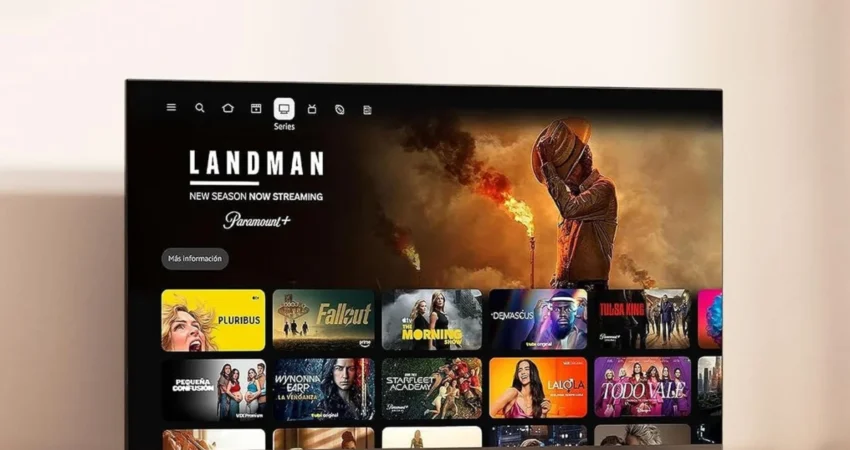
The digital landscape in Mexico is witnessing a significant shift in consumer hardware adoption as Amazon Mexico implements aggressive pricing strategies for its proprietary Fire TV Stick lineup. This move, aimed at capturing a larger share of the domestic streaming market, offers consumers a cost-effective pathway to upgrade legacy hardware—specifically older "dumb" televisions and standard computer monitors—into fully functional smart entertainment hubs. Currently, the retail giant has positioned three primary models at competitive price points: the entry-level Fire TV Stick HD at 399 MXN, the mid-range Fire TV Stick 4K at 749 MXN, and the flagship Fire TV Stick 4K Max at 1,199 MXN. These price adjustments represent a strategic effort to lower the barrier to entry for high-definition and ultra-high-definition streaming, while simultaneously expanding the ecosystem for Amazon’s cloud-based services and smart home integration.
Technical Specifications and Market Positioning
The Fire TV Stick ecosystem is designed to bypass the inherent limitations of aging television operating systems. Many smart TVs purchased between 2015 and 2019 now face "software obsolescence," where native applications such as Netflix, Disney+, or YouTube no longer receive updates or cease to function entirely due to hardware constraints. By offloading the processing requirements to an external HDMI dongle, consumers can extend the lifespan of their expensive display hardware.
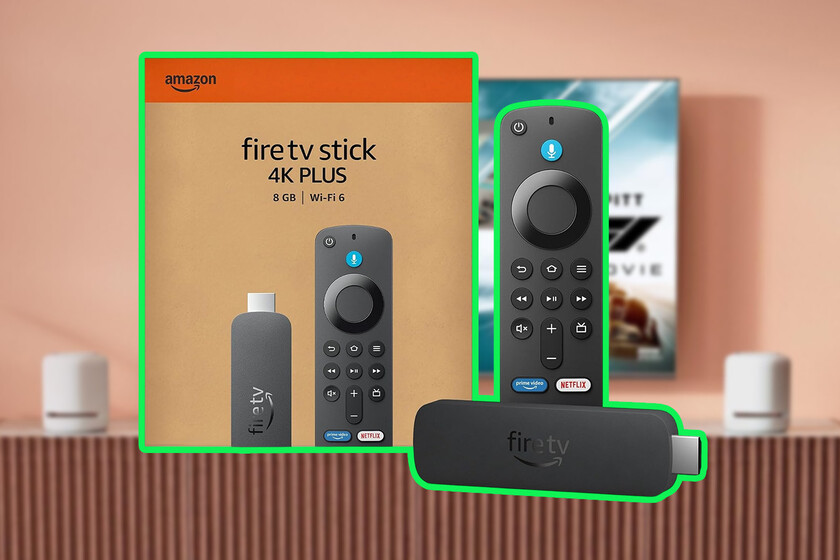
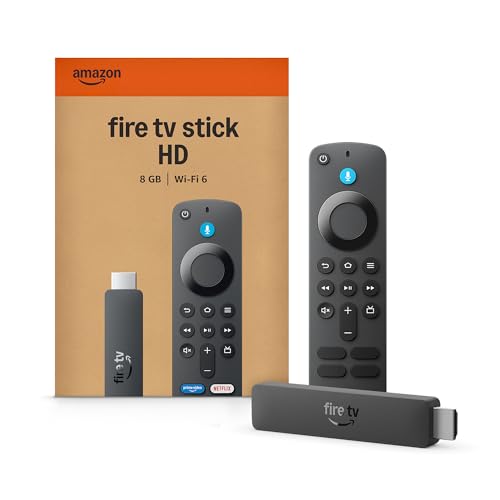
The entry-level Fire TV Stick HD, priced at 399 MXN, targets the budget-conscious demographic and users with secondary displays, such as kitchen TVs or office monitors. Despite its lower price, it maintains compatibility with the redesigned Fire TV interface and supports a vast library of streaming applications. Moving up the hierarchy, the Fire TV Stick 4K (749 MXN) introduces support for Ultra HD resolution, Dolby Vision, and HDR10+. This model is specifically engineered for users who have invested in 4K panels but find the built-in smart features sluggish or lacking in app variety.
The flagship Fire TV Stick 4K Max, retailing at 1,199 MXN, represents the pinnacle of Amazon’s streaming hardware. It features a more powerful quad-core processor and support for Wi-Fi 6E, a crucial addition for users in high-density urban environments like Mexico City or Guadalajara, where signal interference on older 2.4GHz and 5GHz bands can degrade streaming quality. The 4K Max also includes the "Ambient Experience," which transforms the television into a digital art gallery or informational dashboard when not in active use, further blurring the line between a mere appliance and a central home hub.
The Cloud Gaming Revolution: Xbox Integration
A pivotal factor in the recent surge of interest in Fire TV devices is the strategic partnership between Amazon and Microsoft. In a move that significantly disrupts the traditional console gaming market in Mexico, the latest generation of Fire TV Sticks now supports the Xbox app. This integration allows users with an Xbox Game Pass Ultimate subscription to stream hundreds of high-quality titles—such as Halo Infinite, Forza Horizon 5, and Starfield—directly to their television via the cloud.
This "console-less" gaming approach is particularly impactful in the Mexican market, where the high cost of physical consoles and import duties can be a barrier to entry for many families. By utilizing a Fire TV Stick 4K or 4K Max and a compatible Bluetooth controller, users can access a library of games that previously required hardware costing upwards of 10,000 MXN. Industry analysts suggest that this democratization of gaming hardware is a key driver in Amazon’s hardware sales, as the Fire TV Stick transitions from a simple video player to a multi-purpose computing device.
The Role of Alexa and Smart Home Synchronization
Beyond entertainment, the Fire TV Stick serves as a gateway to Amazon’s broader "Alexa" ecosystem. Each device comes equipped with an Alexa Voice Remote, which facilitates voice-activated searches and command execution. In the context of the Mexican smart home market, which has seen double-digit growth over the past three years, the Fire TV Stick acts as a central control point.
Through the interface, users can monitor compatible security cameras (such as Ring or Blink), control smart lighting, and manage IoT-enabled appliances. The "Alexa+" features mentioned in recent updates enhance this by providing proactive recommendations and better natural language processing. For the Mexican consumer, the ability to track Amazon Mexico orders directly on the television screen adds a layer of logistical convenience that competitors like Roku or Google’s Chromecast do not offer with the same level of vertical integration.
Economic Implications and Consumer Behavior in Mexico
The pricing of these devices is indicative of a broader trend in the Mexican e-commerce sector. With the Fire TV Stick HD priced under 400 MXN, Amazon is effectively subsidizing the hardware to ensure long-term service revenue through Prime subscriptions and digital content purchases. Data from the Association of Internet MX suggests that streaming video is one of the top three online activities for Mexican users, yet a significant portion of the population still utilizes older display technology.
The logistical advantage of Amazon Prime also plays a role in the market dominance of these devices. With free, next-day delivery available in major metropolitan areas like Monterrey, Querétaro, and Puebla, the friction of purchase is minimized. Furthermore, the ability to pay in monthly installments (meses sin intereses) on Amazon Mexico makes even the higher-end 4K Max model accessible to a wider socio-economic demographic.
Comparative Analysis: Fire TV vs. Competitors
In the Mexican market, Amazon faces stiff competition from Roku and Google. Roku has historically held a strong position due to its simplicity and early entry into the region. However, Amazon’s recent hardware refreshes have focused on performance metrics that Roku’s budget models often struggle to meet, such as interface fluidity and advanced codec support.
Google’s Chromecast with Google TV remains a formidable rival, offering a similar app ecosystem. However, Amazon’s aggressive discount cycles—often timed around seasonal events or "Hot Sale" periods—frequently underprice Google’s offerings. The inclusion of the Xbox cloud gaming feature currently gives Amazon a unique selling proposition (USP) that neither Roku nor Google has fully matched in terms of ease of use and marketing visibility in Mexico.
Chronology of Fire TV Development in Latin America
The journey of Fire TV in Mexico has been one of gradual localization. Initially launched with a limited app selection and English-centric voice controls, the platform has evolved through several key milestones:
- 2017-2018: Initial introduction of the "Basic Edition" in Mexico, lacking the full Alexa integration found in the US market.
- 2019-2020: Launch of the Fire TV Stick Lite and 4K with full Spanish (Latin American) Alexa support, marking a turning point in local adoption.
- 2022: Introduction of the Fire TV Stick 4K Max and the integration of local content providers like ViX, Claro Video, and Izzi Go, ensuring the platform catered to local viewing habits.
- 2024: The rollout of the Xbox Cloud Gaming app and the "Ambient Experience," positioning the device as a high-end multimedia tool rather than a budget accessory.
Sustainability and Hardware Longevity
From an environmental perspective, the Fire TV Stick offers a compelling argument for electronic waste reduction. The manufacturing of a new 65-inch Smart TV involves significant carbon expenditures and the use of rare earth minerals. In contrast, a small streaming stick weighs less than 50 grams and can modernize an existing TV that might otherwise be destined for a landfill. By providing software updates for several years, Amazon allows consumers to maintain a modern user experience without the need for frequent hardware disposal.

Conclusion and Future Outlook
The current discounts on Amazon Mexico for the Fire TV Stick lineup represent more than just a retail promotion; they are a catalyst for the continued digitization of Mexican households. As high-speed fiber optic internet becomes more prevalent across the country, the demand for hardware capable of handling 4K streams and low-latency cloud gaming will continue to rise.
Market observers expect Amazon to continue this trend of aggressive pricing, potentially integrating more AI-driven features into the Fire TV interface in the coming year. As the line between television, gaming console, and smart home controller continues to blur, the Fire TV Stick remains a central figure in the evolution of domestic technology in Mexico. For the consumer, the choice between the HD, 4K, and 4K Max models ultimately depends on their existing display hardware and their desire for future-proof features like Wi-Fi 6E and cloud gaming. Regardless of the specific model chosen, the move toward external streaming hardware appears to be the definitive solution for the challenges of smart TV obsolescence.

0 Comments