
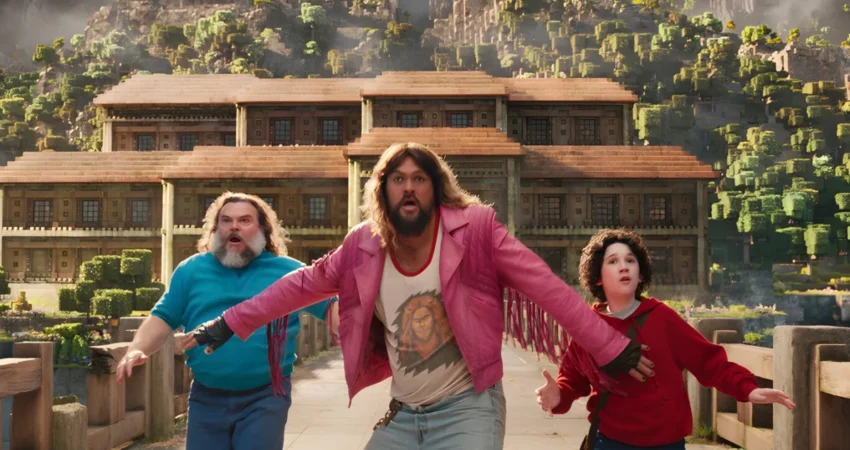
The cinematic adaptation of the world’s best-selling video game, A Minecraft Movie, has officially transitioned from a high-earning theatrical run to a dominant position on digital streaming, securing the number one spot on Netflix’s global viewership charts within days of its debut. Directed by Jared Hess and featuring a high-profile ensemble cast led by Jack Black and Jason Momoa, the film represents a significant case study in the modern entertainment landscape: the "critic-proof" blockbuster. Despite a lukewarm reception from professional reviewers, who largely panned the film’s narrative structure and visual direction, the production has resonated deeply with its target demographic, amassing over $960 million at the global box office before its arrival on the streaming giant. This transition to Netflix marks a pivotal moment for Warner Bros. Pictures and Legendary Pictures, as they seek to solidify the film’s legacy as a cornerstone of family-oriented video game adaptations.
The Long Journey from Pixels to the Big Screen
The path to bringing Minecraft to the silver screen was fraught with over a decade of production hurdles, creative shifts, and directorial changes. The project was first announced by Mojang AB in early 2014, shortly before the company was acquired by Microsoft for $2.5 billion. At the time, the success of The LEGO Movie had proved that properties based on building and creativity could translate into compelling cinematic narratives. However, A Minecraft Movie struggled to find its identity for years.
Initial iterations of the project saw names like Shawn Levy and Rob McElhenney attached to direct. McElhenney, known for It’s Always Sunny in Philadelphia, reportedly spent years developing a version of the film that had a $150 million budget before creative differences with the studio led to his departure. Following his exit, Peter Sollett was brought on board, only for the project to be delayed further by the global pandemic and subsequent industry-wide strikes. It was not until Jared Hess, the director behind cult classics like Napoleon Dynamite and Nacho Libre, took the helm that the film finally moved into active production. Hess’s involvement signaled a shift toward a more absurdist, whimsical tone, which ultimately became the defining characteristic of the final product.
Narrative Structure and the Transition to the Overworld
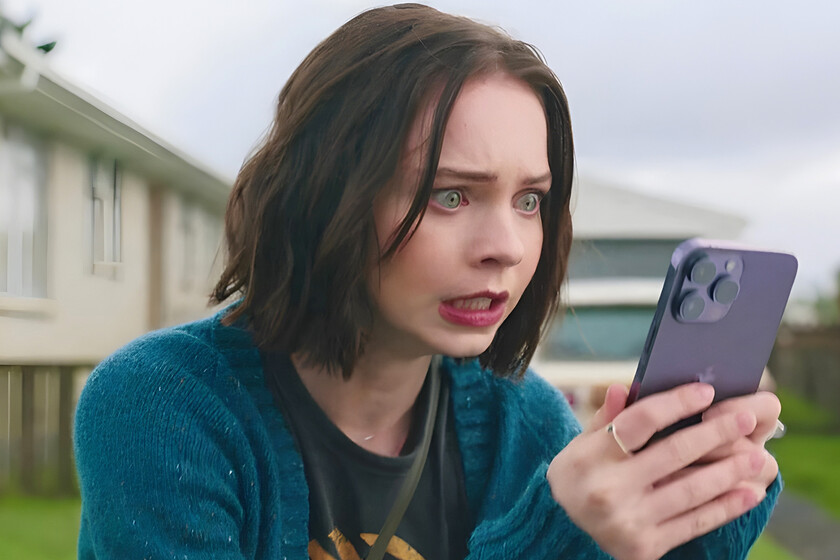
A Minecraft Movie follows the journey of four "misfits"—Garrett "The Garbage Man" Garrison (Jason Momoa), Henry (Sebastian Eugene Hansen), Natalie (Emma Myers), and Dawn (Danielle Brooks). The quartet finds themselves struggling with ordinary life problems until they are suddenly pulled through a mysterious portal. They emerge in the Overworld, a bizarre, cubic wonderland governed by the laws of imagination and crafting.
To survive the perils of this new reality and find a way back to their own dimension, the group must master the mechanics of the world, which include mining for resources and crafting tools to fend off nocturnal threats. Their guide in this journey is Steve, played by Jack Black, an eccentric survivalist who has long been a resident of the Overworld. The film’s plot relies heavily on the "Isekai" trope—a subgenre of fantasy where characters from the real world are transported to a parallel universe. This narrative device allowed the filmmakers to introduce the complex mechanics of the Minecraft game to uninitiated audience members while providing a surrogate for the viewers’ own sense of wonder.
Commercial Triumph vs. Critical Disdain: The Data Breakdown
The disparity between critical opinion and commercial success for A Minecraft Movie is one of the most pronounced in recent cinematic history. Upon its theatrical release in early 2025, the film faced a barrage of negative reviews. On the review aggregator site Rotten Tomatoes, the film holds a 45% approval rating among professional critics. The consensus among reviewers was that the film’s live-action/CGI hybrid aesthetic felt "uncanny" and that the plot lacked the depth found in other successful adaptations like HBO’s The Last of Us or Amazon’s Fallout.
However, the financial data tells a vastly different story. The film’s $960 million global box office haul places it among the highest-grossing video game movies of all time, rivaling the likes of The Super Mario Bros. Movie and Pokémon Detective Pikachu. Market analysis indicates that the film’s success was driven primarily by two factors: brand recognition and family appeal. Minecraft maintains over 140 million monthly active users, a massive built-in audience that was eager to see the game’s iconography—creepers, endermen, and crafting tables—rendered on a massive scale.

In the streaming sector, the film’s performance has been equally robust. Since its release on Netflix, A Minecraft Movie has consistently outperformed original streaming content and other licensed theatrical hits. Data suggests that the film is benefiting from "repeat viewership," a common trend among younger audiences who watch favorite titles multiple times, further inflating its streaming hours.
Visual Direction and the Live-Action Controversy
One of the most debated aspects of the production was the decision to utilize live-action actors within a digitally rendered environment rather than opting for a fully animated approach. When the first trailers were released, fans of the game expressed skepticism regarding the "realistic" textures applied to the blocky creatures of the Minecraft world. The design of the sheep and llamas, in particular, became the subject of widespread internet memes.
Defending the creative choice, the production design team noted that they wanted the film to feel like a "tangible adventure" rather than a 90-minute version of the game’s existing cinematics. By placing human actors in the cubic environment, the filmmakers aimed to emphasize the scale and "otherworldliness" of the Minecraft universe. The use of practical sets combined with advanced CGI allowed for a unique visual palette that, while polarizing, certainly distinguished the film from its contemporaries.
Industry Implications and the "Golden Age" of Game Adaptations
The success of A Minecraft Movie on Netflix is a testament to the evolving relationship between the gaming and film industries. We are currently in what many analysts call the "Golden Age" of video game adaptations. For decades, movies based on games were synonymous with critical and financial failure. However, the recent string of successes—ranging from Sonic the Hedgehog to the Oscar-nominated animation of Arcane—has proven that video games are the new "comic books" for Hollywood studios.
The "critic-proof" nature of A Minecraft Movie suggests that for certain mega-IPs (Intellectual Properties), traditional film criticism has a diminishing impact on commercial outcomes. For a younger generation of viewers, the joy of seeing a familiar digital world brought to life outweighs the requirements of a traditional three-act narrative structure or sophisticated character arcs. This shift is forcing studios to rethink their marketing strategies, focusing more on community engagement and "fanservice" than on courting critical acclaim.
Future Prospects and Franchise Potential
Given the overwhelming financial success and the current dominance on Netflix, a sequel to A Minecraft Movie is almost a certainty. Industry insiders suggest that Warner Bros. and Microsoft are already in the early stages of discussing a multi-film franchise, potentially including spin-off series for streaming platforms. The vastness of the Minecraft lore—which includes various biomes, dimensions like The Nether and The End, and spin-off games like Minecraft Dungeons and Minecraft Legends—provides a nearly infinite well of source material.
Furthermore, the film’s performance on Netflix highlights the platform’s role as a secondary "life-support system" for theatrical releases. Even films that receive mixed word-of-mouth during their cinema run can find a massive, appreciative audience once they become available as part of a subscription service. For parents, the film offers a safe, recognizable, and entertaining option for family movie nights, ensuring that the title will likely remain in the Netflix "Top 10" for several weeks to come.
As the credits roll on this first cinematic foray into the world of blocks, it is clear that while the critics may not have found the "crafting recipe" for a masterpiece, the audience has found exactly what they were looking for: a colorful, high-energy tribute to a game that has defined a generation. Whether one is a veteran player who has spent thousands of hours in survival mode or a newcomer curious about the global phenomenon, A Minecraft Movie serves as a loud, blocky, and undeniably successful bridge between the virtual and the cinematic.

0 Comments