
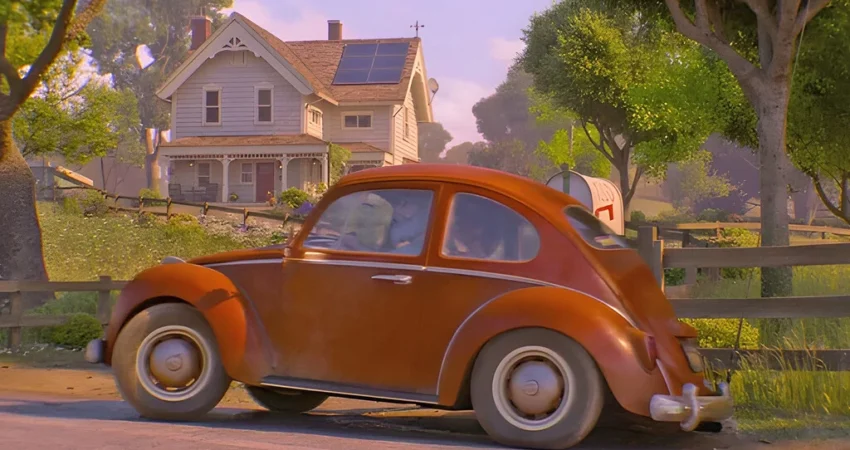
The landscape of modern animation has reached a significant milestone with the arrival of Toy Story 5 on the Disney+ streaming platform, marking a pivotal moment for one of the most storied franchises in cinematic history. Since its inception in the mid-1990s, the Toy Story saga has served as the cornerstone of Pixar Animation Studios, consistently setting the gold standard for both technical innovation and emotional storytelling. The latest chapter, while navigating a complex landscape of critical reviews, has officially cemented its place as a commercial juggernaut, surpassing its predecessors to become the highest-grossing film in the series. This achievement comes at a time when the film industry is grappling with the balance between nostalgic intellectual property and the need for contemporary relevance, a theme that is mirrored within the movie’s own plot as the beloved toys face their most formidable adversary to date: the digital age.
The Evolution of a Legend: From 1995 to the Digital Era
To understand the weight of Toy Story 5’s release, one must look back at the trajectory of the franchise. When the original Toy Story debuted in 1995, it was a revolutionary feat—the first feature-length film entirely animated by computers. It transformed Woody and Buzz Lightyear into global icons and established Pixar as a dominant force in Hollywood. Throughout the subsequent decades, sequels released in 1999, 2010, and 2019 continued to build upon this legacy, with Toy Story 3 and Toy Story 4 both crossing the billion-dollar mark at the global box office.
Toy Story 5 arrives as the culmination of nearly thirty years of character development. The narrative focus has shifted from the anxiety of being replaced by a newer toy to the existential threat of being replaced by a screen. In this installment, the toys—now under the care of Bonnie—find themselves neglected in favor of a high-end tablet. This shift in the antagonist from a human "toy breaker" or a rival toy to a piece of multipurpose technology reflects the changing domestic reality for children worldwide. The film explores the concept of obsolescence in a way that resonates with both the children of the 1990s, who are now parents, and the current generation of "digital natives."
Commercial Triumph and Financial Data
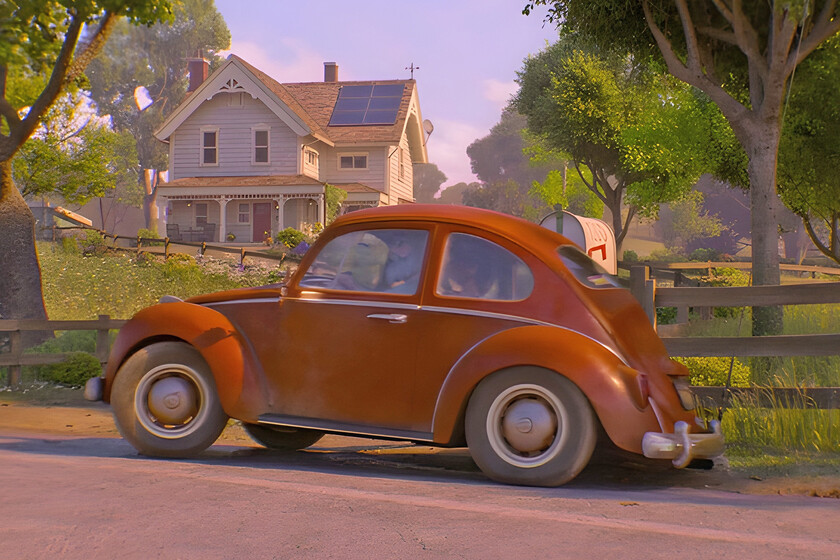
Despite the challenges facing the theatrical market in the post-pandemic era, Toy Story 5 has demonstrated the enduring power of the Pixar brand. The film successfully grossed over $1.1 billion at the worldwide box office, outperforming the $1.073 billion earned by Toy Story 4 and the $1.067 billion earned by Toy Story 3. This financial success is attributed to several factors, including a robust international rollout and a strategic marketing campaign that leaned heavily into the "generational event" aspect of the film.
Industry analysts point out that while the film’s budget was estimated to be in the range of $200 million, the ancillary revenue from merchandise, theme park integrations, and now streaming rights on Disney+ will likely make it one of the most profitable ventures in Disney’s recent history. The move to streaming is expected to drive a surge in Disney+ subscriptions, particularly among families looking for premium content during holiday seasons.
Narrative Conflict: Toys vs. Technology
The central plot of Toy Story 5 revolves around a conflict that many modern parents find all too familiar. As Bonnie receives a state-of-the-art tablet, the traditional playthings—led by Buzz Lightyear and Jessie—are relegated to the dark corners of the closet. The film personifies the tablet not as a sentient being like the toys, but as an all-consuming void of attention that threatens the very purpose of a toy’s existence.
Woody, who transitioned to a life as a "lost toy" at the end of the previous film, makes a return that serves as the emotional bridge for the audience. The creative team at Pixar opted to focus on the ingenuity of the toys, showing Buzz and Jessie attempting to "out-play" the digital device. This premise has been praised by some for its bold commentary on screen time and the decline of imaginative play, while others have criticized it for being a repetitive take on the franchise’s core "fear of replacement" theme.

A Statistical Decline in Critical Acclaim
While the box office numbers tell a story of undisputed success, the critical reception paints a more nuanced picture. Toy Story 5 currently holds a 93% approval rating on the review aggregator site Rotten Tomatoes. In any other context, a 93% would be considered an overwhelming triumph; however, within the vacuum of the Toy Story franchise, it marks a historical low.
To put this in perspective, the internal hierarchy of the franchise’s critical standing is as follows:
- Toy Story (1995): 100%
- Toy Story 2 (1999): 100%
- Toy Story 3 (2010): 98%
- Toy Story 4 (2019): 96%
- Toy Story 5: 93%
The slight downward trend suggests a "franchise fatigue" among professional critics. Some reviewers argued that the "perfect ending" of Toy Story 3 was undermined by the fourth film, and that the fifth installment feels like an unnecessary extension of a completed story. Conversely, the high audience scores suggest that the general public remains deeply invested in these characters, regardless of narrative redundancy.
Industry Reactions and Artistic Implications
The decision to produce a fifth film was met with internal and external debate. When Disney CEO Bob Iger announced the project, it was seen by many as a safe bet during a period of financial volatility for the studio. Following the mixed performance of original IPs like Strange World and Lightyear, the return to the "Big Three" franchises (Toy Story, Frozen, and Zootopia) was a clear strategic pivot toward guaranteed returns.
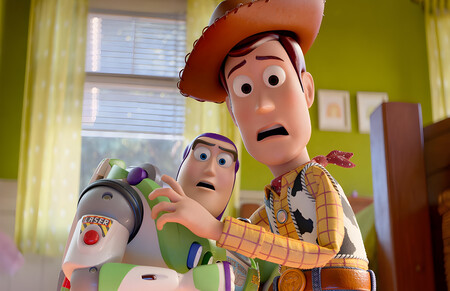
Creative leads at Pixar have defended the film, stating that the story only moved forward because they found a "technological angle" that had not yet been explored. They argued that the toys’ struggle against the "Algorithm" is the definitive modern story for a franchise about childhood. Director Andrew Stanton, a veteran of the studio, emphasized that the goal was to honor the legacy of the characters while acknowledging the reality of the 2020s.
Broader Impact on the Animation Industry
The success of Toy Story 5 has significant implications for the future of feature animation. It reinforces the "sequel-heavy" strategy that major studios are increasingly adopting. As production costs rise, the risk associated with new, unproven stories becomes harder for corporate boards to justify.
However, the film also sets a high bar for technical excellence. The animation in Toy Story 5 features advancements in "tactile realism," where the textures of plastic, plush, and electronic screens are rendered with unprecedented detail. This technical prowess ensures that even if critics find the story familiar, the visual experience remains at the cutting edge of the medium.
Furthermore, the film’s focus on the "digital vs. physical" play dynamic has sparked discussions among child psychologists and educators. By highlighting the value of traditional toys through the lens of beloved characters, the film inadvertently serves as a cultural advocate for tactile play in an increasingly virtual world.

Conclusion: The Enduring Power of Play
As Toy Story 5 begins its tenure on Disney+, it stands as a testament to the resilience of Pixar’s most famous creations. While it may not reach the unanimous critical heights of the 1995 original, its ability to draw in over a billion dollars in ticket sales proves that the bond between the audience and these characters remains unbroken.
The film serves as a bridge between the nostalgia of the past and the technological anxieties of the future. For families, it offers a high-quality viewing experience that combines humor, action, and a poignant message about the importance of connection in a distracted age. For the film industry, it is a reminder that even in a changing landscape, certain legacies are powerful enough to overcome the challenges of a crowded market and a skeptical critical eye. Whether this is the final chapter for Woody and Buzz remains to be seen, but for now, Toy Story 5 has secured its place as a massive, if slightly controversial, success in the annals of cinema history.

0 Comments