
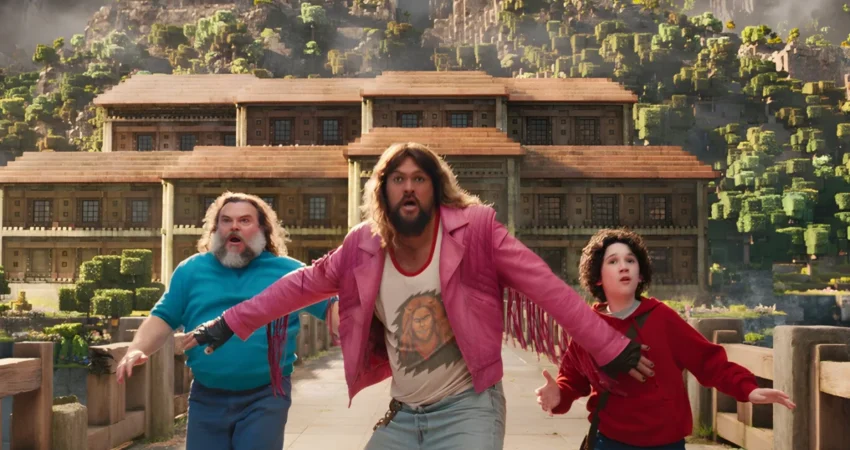
The transition of video game properties to the silver screen has historically been a volatile endeavor, yet the recent release of A Minecraft Movie has solidified a growing industry trend: commercial success frequently outweighs critical consensus. After a robust theatrical run that saw the film approach the prestigious billion-dollar milestone, the adaptation has now transitioned to Netflix, where it immediately secured the number-one position on the platform’s global viewing charts. This performance underscores the immense power of the Minecraft brand, which originated as a niche indie project by Mojang Studios and evolved into the best-selling video game of all time, with over 300 million copies sold.
The film’s arrival on streaming marks the culmination of a decade-long development process fraught with creative shifts and directorial changes. Despite a lukewarm reception from professional critics, who cited a disjointed narrative and an "uncanny" visual style, the film has resonated with its primary demographic: children and long-term fans of the sandbox game. By leveraging a high-profile cast led by Jack Black and Jason Momoa, the production managed to translate the abstract, block-based mechanics of the game into a high-stakes adventure that has proven to be a significant draw for families worldwide.
The Narrative Foundation and the Overworld Adventure
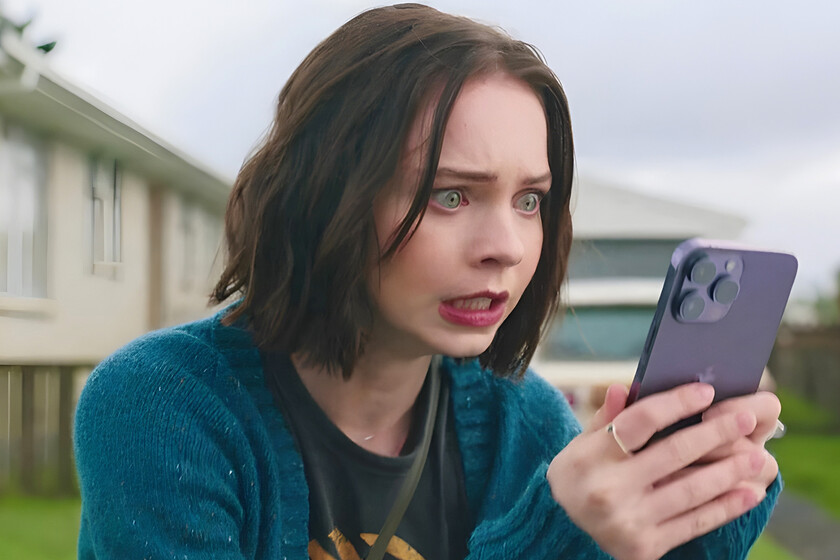
A Minecraft Movie follows the journey of four "misfits"—Garrett "The Garbage Man" Garrison (played by Jason Momoa), Henry (Sebastian Eugene Hansen), Natalie (Emma Myers), and Dawn (Danielle Brooks). The quartet finds themselves struggling with ordinary problems in the physical world before being suddenly transported through a mysterious portal. They emerge in the Overworld, a bizarre, cubic wonderland governed by the laws of imagination and crafting. To return home, the group must master the world’s unique physics while defending themselves against classic game antagonists such as Piglins and Zombies.
Central to their survival is the encounter with Steve, portrayed by Jack Black. In the game’s lore, Steve is the default avatar for the player, but in the film, he is reimagined as an eccentric, long-term resident of the Overworld who has mastered the art of survival. This character dynamic serves as the bridge between the audience and the game’s mechanics, allowing the film to showcase "crafting"—the process of combining raw materials to create tools and structures—as a central plot device. The narrative leans heavily into "fan service," featuring recognizable elements such as Redstone machinery, blue-furred sheep, and the ever-present threat of exploding Creepers.
A Decade in Development: The Path to the Big Screen
The journey to bring Minecraft to theaters began as early as 2014, shortly after Microsoft acquired Mojang for $2.5 billion. The project saw a revolving door of high-profile talent. Initially, Shawn Levy (Stranger Things, Deadpool & Wolverine) was attached to direct, followed by Rob McElhenney (It’s Always Sunny in Philadelphia), who spent years developing a version of the film that was ultimately scrapped. Peter Sollett (Nick & Norah’s Infinite Playlist) also had a tenure as director before Jared Hess, known for Napoleon Dynamite and Nacho Libre, finally took the helm.
This prolonged development cycle contributed to the film’s unique visual identity. The decision to make the film a live-action/CGI hybrid rather than a fully animated feature was a point of significant contention among the fanbase. When the first trailers debuted, the "realistic" textures applied to the blocky creatures sparked intense online debate, drawing comparisons to the initial backlash faced by the Sonic the Hedgehog movie. However, much like the Sonic franchise, the initial aesthetic skepticism did not deter the target audience once the film reached theaters.
Financial Performance and Global Box Office Impact
Financially, A Minecraft Movie exceeded industry expectations, particularly given the historical difficulty of adapting "sandbox" games that lack a linear story. The film grossed approximately $960 million at the global box office. This figure places it among the highest-grossing video game adaptations in history, rivaling the success of The Super Mario Bros. Movie and the Sonic the Hedgehog sequels.

The revenue breakdown indicates a strong performance in international markets, particularly in regions where the game maintains a massive active player base, such as North America, Europe, and parts of Asia. The film’s success is attributed to its "four-quadrant" appeal—a marketing term for a film that reaches all major demographic segments: male, female, under 25, and over 25. While younger viewers were drawn to the familiar characters and creatures, older viewers were often parents accompanying children or "legacy" players who grew up with the game since its alpha release in 2009.
The Critical Divide: Artistic Merit vs. Commercial Viability
While the box office numbers tell a story of triumph, the critical reception paints a different picture. On review aggregator sites like Rotten Tomatoes, the film maintains a "Rotten" rating of approximately 45% among professional critics. The primary criticisms leveled against the production include a perceived lack of narrative depth and an over-reliance on visual gimmicks. Critics argued that the film felt more like a series of connected sketches than a cohesive cinematic experience, and that the live-action actors often felt out of place against the vibrant, digital backdrops of the Overworld.
In contrast, the "Audience Score" remains significantly higher, highlighting a disconnect that has become common in modern blockbuster cinema. For the fans, the film’s value lies not in its adherence to traditional screenwriting structures, but in its ability to bring a beloved digital world to life. The inclusion of deep-cut references to game updates, specific crafting recipes, and the whimsical logic of the Minecraft universe provided a sense of validation for the player community.
Contextualizing Minecraft Within the Video Game Movie Renaissance
A Minecraft Movie is part of a larger, more successful wave of video game adaptations that have broken the "curse" previously associated with the genre. For decades, films based on games were synonymous with critical and financial failure. However, recent years have seen a shift in strategy. Studios are now investing in high-budget productions and respecting the source material’s core identity.
- The Super Mario Bros. Movie (2023): Earned over $1.3 billion, proving that animated faithfulness to game aesthetics is a goldmine.
- Sonic the Hedgehog (2020/2022): Demonstrated that listening to fan feedback regarding character design can lead to long-term franchise health.
- The Last of Us (HBO): Showed that prestige television can handle mature game narratives with gravity and grace.
Minecraft sits uniquely in this landscape. Unlike The Last of Us, it has no predefined plot to follow. Unlike Mario, its visual style is purposefully primitive. By choosing a "fish out of water" live-action approach, Warner Bros. and Legendary Pictures took a calculated risk that prioritized celebrity star power and meta-humor over the stylistic purity of animation.
Streaming Dominance and the "Second Life" on Netflix
The film’s rapid ascent to the top of Netflix’s charts is a testament to the changing lifecycle of modern movies. The "streaming tail"—the period during which a film continues to generate value after its theatrical run—is now a critical metric for studios. For a family-oriented film like A Minecraft Movie, streaming is the ideal medium. Children often engage in "repeat viewing" behavior, watching the same film multiple times, which drives up engagement metrics on platforms like Netflix.
Furthermore, the integration of the film into the Netflix ecosystem allows for cross-promotional opportunities. As Netflix continues to expand its own gaming division, the presence of a Minecraft blockbuster serves to solidify the platform as a destination for gaming culture. The film’s presence on the service also provides a low-barrier entry point for the uninitiated, allowing those who may have skipped the theatrical release to understand the cultural phenomenon of the game.
Industry Implications and the Future of the Franchise
The success of A Minecraft Movie has immediate implications for the future of the brand. Given the $960 million theatrical return and the subsequent streaming numbers, discussions regarding a sequel or a broader "Minecraft Cinematic Universe" are almost certainly underway. There is significant potential for spin-off content, such as animated series or films based on the Minecraft Dungeons or Minecraft Legends iterations of the property.

Moreover, the film’s success reinforces the viability of "brand-first" filmmaking. In an era where original intellectual property often struggles at the box office, established brands with built-in audiences offer a level of security that studios crave. The "Minecraft model" suggests that as long as a film captures the spirit of the brand and provides a shared family experience, it can withstand even the most scathing critical reviews.
As the industry moves forward, the lessons learned from Minecraft’s release will likely influence how other "open-world" or "sandbox" games are adapted. The focus will likely remain on creating a recognizable world that functions as a playground for characters, rather than trying to impose a complex, high-concept plot onto a medium that players value for its freedom and simplicity.
In conclusion, A Minecraft Movie stands as a definitive example of the modern blockbuster. It is a film that prioritized its audience over its critics, resulting in a financial juggernaut that has successfully conquered both the cinema and the streaming world. Whether or not it is viewed as a "good" film in the traditional sense, its impact on the landscape of entertainment and its ability to mobilize millions of fans are undeniable. Steve and his cubic companions have successfully navigated the portal to Hollywood, and they appear set to remain a fixture of the cultural zeitgeist for years to come.

0 Comments