
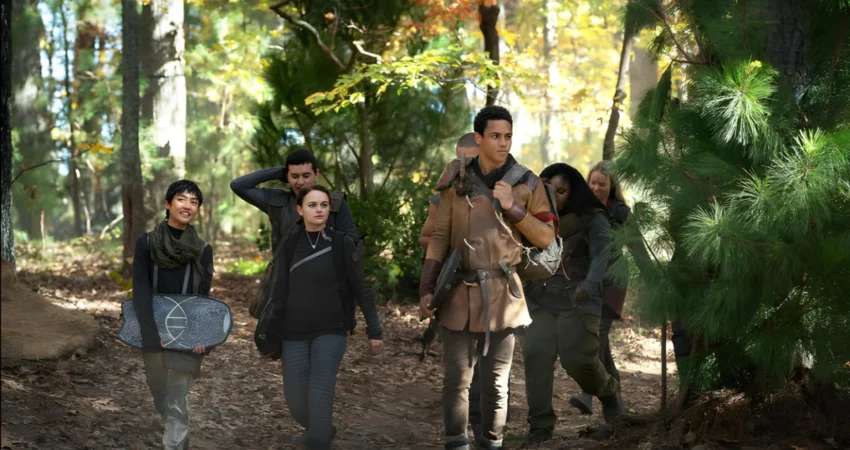
The release of the science fiction film Uglies on Netflix in late 2024 has reignited a complex conversation regarding the viability of young adult (YA) dystopian adaptations in the modern streaming era. Based on the 2005 seminal novel by Scott Westerfeld, the film was positioned as a nostalgic throwback to the mid-2010s "dystopia boom" defined by franchises such as The Hunger Games, Divergent, and The Maze Runner. However, the film’s arrival was met with a stark polarization: while professional critics largely panned the production for its perceived narrative simplicity and visual execution, the global viewing public propelled it to the top of the streaming charts, making it one of the most-watched original films on the platform during its debut month.
The Long Journey from Page to Screen
The path to adapting Uglies was notably protracted, spanning nearly two decades of development cycles. When Scott Westerfeld first published the novel in 2005, it was hailed as a prescient critique of societal obsession with physical perfection. The film rights were initially optioned by 20th Century Fox shortly after the book’s release, but the project languished in "development hell" for years as the studio struggled to find the right balance between the book’s dark themes and the commercial requirements of a teen-centric blockbuster.
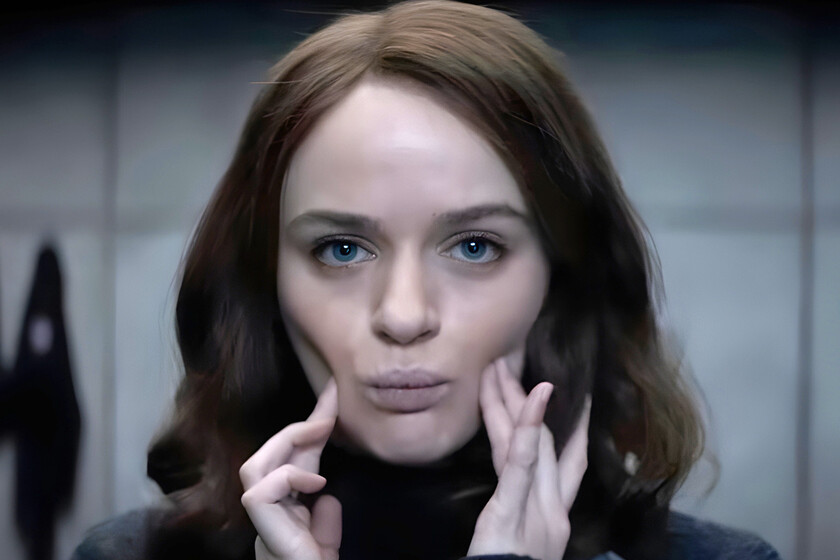
It was not until 2020 that Netflix officially announced it had acquired the rights, with Joey King—fresh off the success of The Kissing Booth trilogy—attached to star as the protagonist, Tally Youngblood, and serve as an executive producer. Under the direction of McG (Joseph McGinty Nichol), known for Charlie’s Angels and The Babysitter, the production finally moved forward. The 18-year gap between the book’s publication and the film’s release meant that the story’s core themes of body modification and social surveillance had transitioned from speculative fiction to a direct reflection of modern social media culture.
Narrative Architecture and Societal Commentary
Uglies is set in a post-scarcity future where humanity has supposedly eliminated war, poverty, and prejudice by standardizing human appearance. The world is divided into two distinct classes: "Uglies" (teenagers under the age of 16) and "Pretties" (those who have undergone a mandatory, government-mandated cosmetic surgery). The procedure does more than just alter the face; it modifies the entire skeletal structure and, as the story eventually reveals, introduces neurological changes designed to make the population more compliant and less prone to conflict.
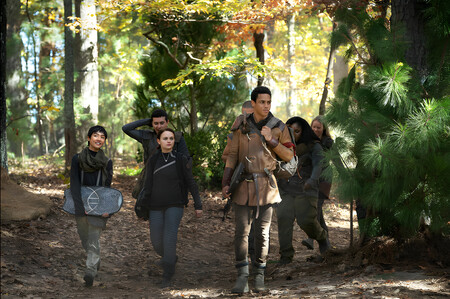
The protagonist, Tally Youngblood, begins the story as a loyalist to the system, counting down the days until her 16th birthday when she can finally become "pretty" and join her friend Peris in the lavish New Pretty Town. Her worldview is shattered when she meets Shay, a rebel who rejects the surgery and speaks of a hidden community known as "The Smoke," where people live naturally and age without intervention. When Shay flees to avoid the procedure, the government—led by the cold and calculating Dr. Cable (played by Laverne Cox)—coerces Tally into becoming a spy to locate the rebels, setting the stage for a conflict between individuality and state-enforced conformity.

Dissecting the Streaming Data: A Commercial Triumph
Despite the critical backlash, the viewership metrics provided by Netflix and independent tracking firms like Variety and Nielsen paint a picture of a resounding commercial success. In its opening weekend, Uglies garnered approximately 20.8 million views, a figure that climbed to 26.8 million views by the end of its first full week. It maintained a position in the "Global Top 10" for several consecutive weeks, performing exceptionally well in international markets across Latin America, Europe, and Asia.
This discrepancy between critical reception and audience engagement is a recurring phenomenon in the streaming landscape. Industry analysts suggest that the "hate-watch" factor, combined with a genuine hunger for YA content among Gen Z and millennial audiences, drove the high numbers. Furthermore, Joey King’s established popularity on Netflix provided a built-in audience that transcended the quality of the reviews. The film’s accessibility—requiring only a subscription rather than a theater ticket—allowed casual viewers to engage with the story despite the 15% "Rotten" rating on review aggregator Rotten Tomatoes.
Critical Analysis: The Points of Contention
Professional film critics were nearly unanimous in their disapproval of the film’s execution. The primary criticisms centered on three specific areas: the visual effects, the script’s pacing, and the "uncanny valley" effect of the "Pretties."
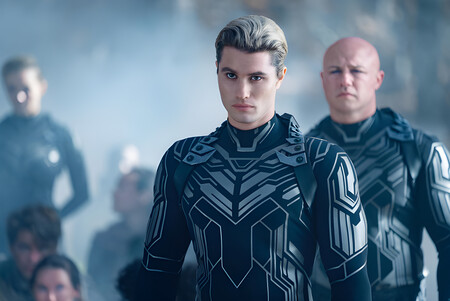
- Visual Implementation: Critics argued that the CGI used to depict the futuristic cities and the "enhanced" faces of the Pretties felt dated and lacked the tactile realism seen in contemporary sci-fi.
- Narrative Compression: Adapting a dense novel into a 100-minute film required significant trimming of the world-building elements. This led to what some described as a "cliff-notes" version of the story, where character motivations felt rushed and the stakes lacked emotional weight.
- The "Pretty" Paradox: A recurring irony noted by reviewers was the difficulty of making Hollywood actors like Joey King or Chase Stokes appear "ugly." The film’s attempt to portray conventionally attractive actors as societal outcasts created a cognitive dissonance that many viewers found difficult to overcome.
However, defenders of the film argue that the "uncanny" and somewhat artificial look of the Pretties was a deliberate stylistic choice by McG to emphasize the unnatural, plastic nature of the society.
Thematic Relevance in the Age of Social Media
One of the most compelling aspects of the 2024 adaptation is how it interacts with the current cultural zeitgeist. In 2005, Scott Westerfeld was writing about a hypothetical world of extreme cosmetic surgery. In 2024, the film exists in an era defined by Instagram filters, TikTok "beautification" AI, and the rising prevalence of cosmetic procedures among younger demographics.
The film serves as a blunt-force metaphor for "Instagram Face"—the phenomenon where social media users utilize the same digital tools to achieve a homogenized standard of beauty. The mandatory surgery in Uglies represents the ultimate extension of the "algorithm," where the state enforces a singular aesthetic to maintain social order. This thematic resonance likely contributed to the film’s high engagement levels, as younger audiences recognized the parallels between Tally’s world and their own digital environments.
Future Prospects: Will There Be a "Pretties" Sequel?
The conclusion of Uglies leaves the narrative open for a continuation, directly mirroring the transition to the second book in Westerfeld’s series, titled Pretties. In the film’s final moments, Tally makes a pivotal sacrifice, choosing to undergo the surgery herself to act as a "human guinea pig" for a new cure that could reverse the neurological lesions caused by the procedure.
As of late 2024, Netflix has not officially greenlit a sequel. However, the production history of the platform suggests that viewership numbers, rather than critical acclaim, are the primary drivers for renewal. Given that the film achieved significant global reach and maintained a high "completion rate" (the percentage of viewers who watched the film from start to finish), the probability of a sequel remains high.
Lead actress Joey King has expressed an enduring passion for the project, noting in several interviews that she has been a fan of the books since childhood. Her dual role as star and executive producer gives her significant leverage in pushing for the continuation of the franchise. If a sequel is approved, it would likely explore Tally’s life inside New Pretty Town and her struggle to maintain her identity while under the influence of the surgery’s mind-altering effects.
The Broader Impact on the YA Genre
The success of Uglies signals a potential resurgence for the YA dystopian genre, which many industry experts believed had reached its saturation point by 2016. The high engagement suggests that there is still a significant market for stories that explore themes of rebellion, identity, and societal critique through a youthful lens.
However, the critical reception also serves as a warning for future adaptations. To sustain a multi-film franchise in an increasingly competitive streaming market, subsequent entries may need to invest more heavily in script development and visual sophistication to bridge the gap between "guilty pleasure" and "prestige sci-fi."
In conclusion, Uglies stands as a testament to the power of established intellectual property and the enduring appeal of dystopian themes. While it may not have satisfied the cinematic standards of professional critics, its performance on Netflix confirms its status as a cultural touchstone for a new generation of viewers grappling with the very issues of beauty and conformity that Scott Westerfeld envisioned nearly two decades ago. Whether it remains a standalone curiosity or the start of a new trilogy, Uglies has undeniably left its mark on the 2024 streaming landscape.

0 Comments